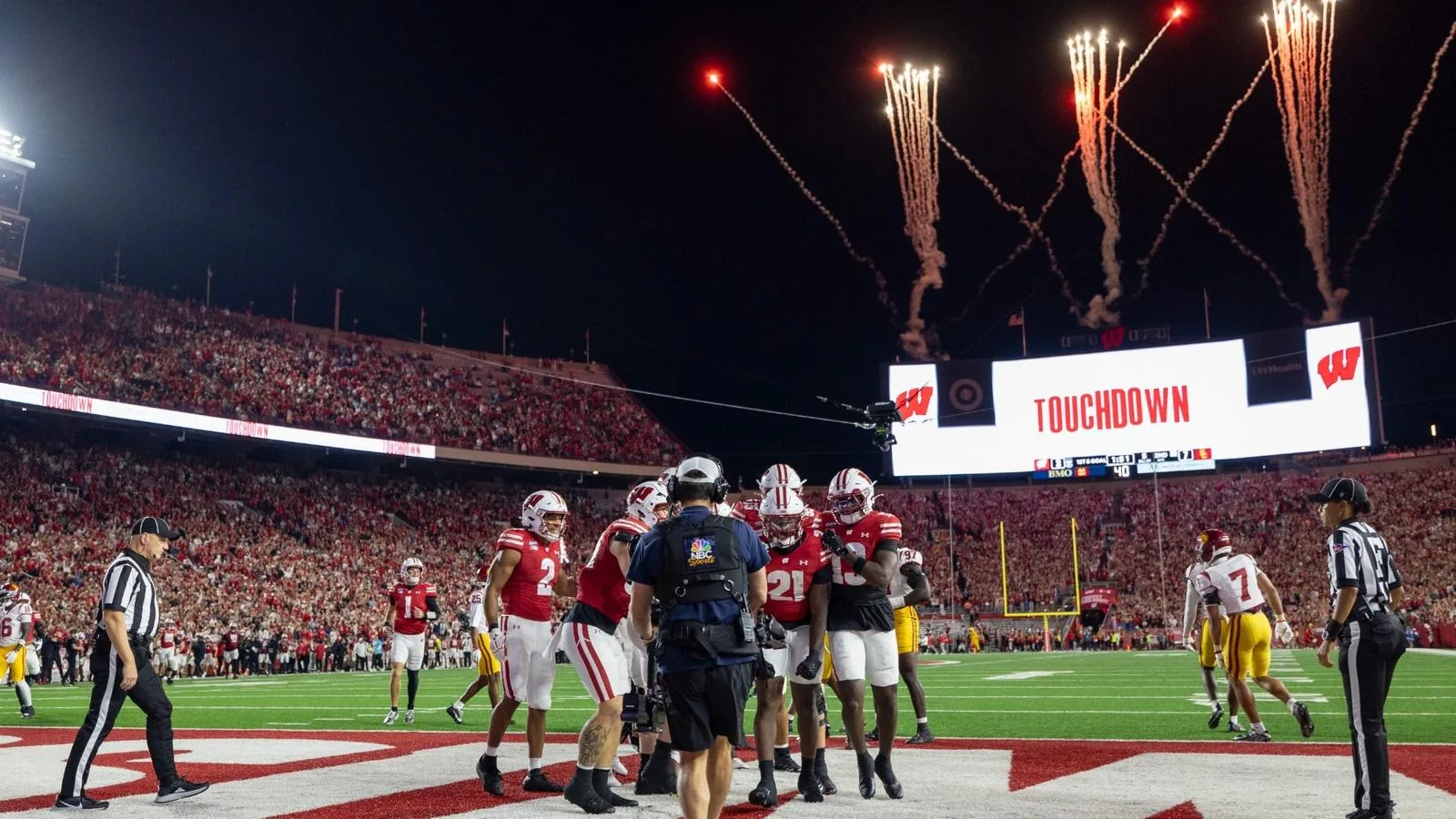
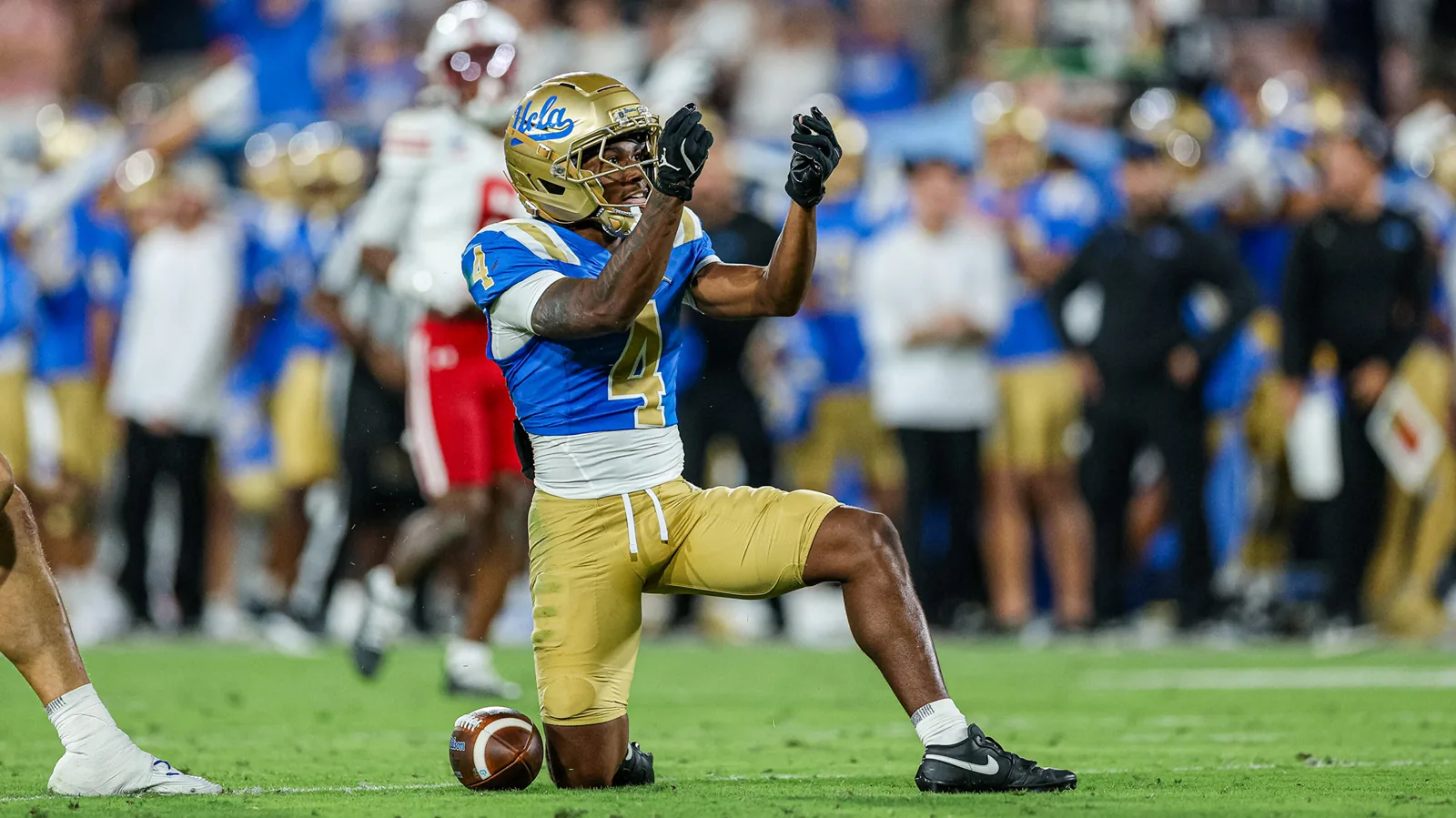
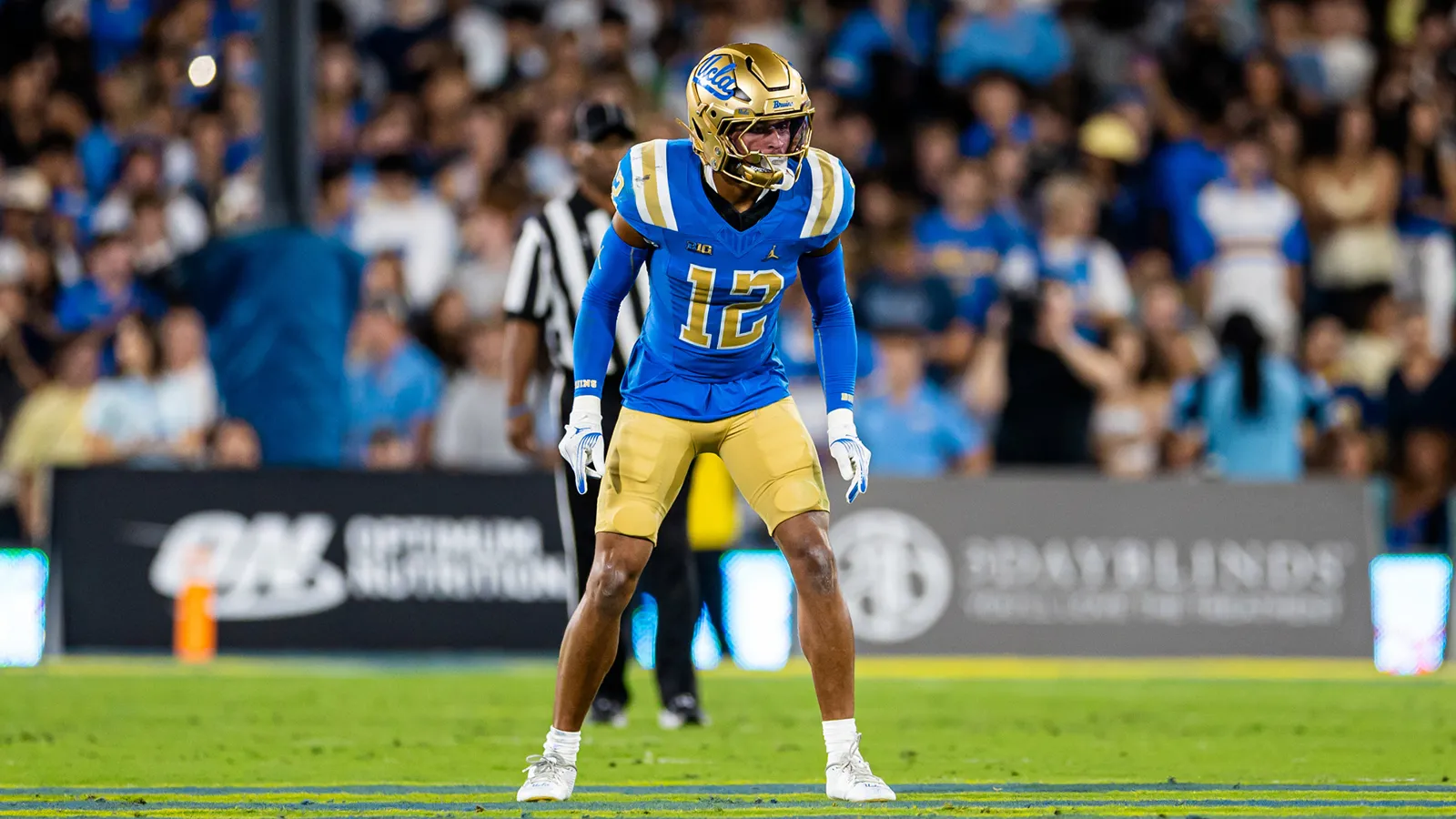
 PRE-GAME
UCLA BRUINS + WISCONSIN BADGERS
One football. Two loyalties. Somebody’s having a long Sunday
Wisconsin brings fresh legs. UCLA brings an unbeaten record and a new starter. The Rose Bowl gets custody of our Saturday.
Listen to Repinkee Sports on Apple Podcasts UCLA5–0
 Wisconsin4–1
4:36 PM PT / 6:36 PM CT · NBC
Rose Bowl · Pasadena
Wisconsin4–1UCLA5–04:36 PM PT / 6:36 PM CT · NBC
Rose Bowl · Pasadena
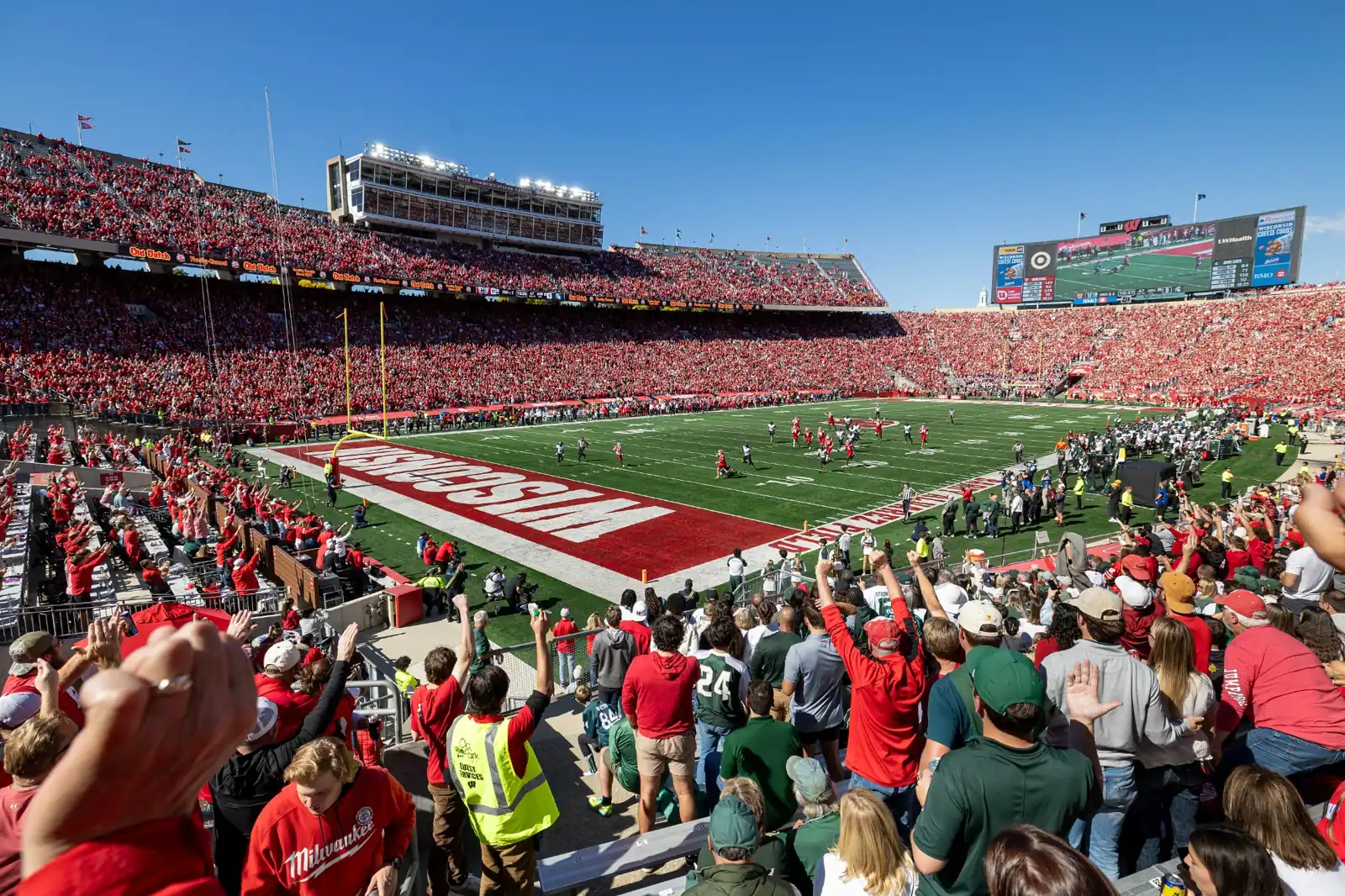
Supporting UCLA and Wisconsin is usually a perfectly workable arrangement. Two games, two sets of colors, two opportunities to explain that the offensive line needs time. Today the arrangement becomes considerably less convenient. Our teams share one field, and the football has declined our request to make everybody happy.
Wisconsin visits No. 12 UCLA at the Rose Bowl this evening. The Bruins arrive 5–0, with three Big Ten wins; the Badgers are 4–1 and unbeaten through two conference games. NBC coverage starts at 4:30 Pacific, 6:30 Central. UCLA lists the actual kickoff six minutes later. There is still time to feed people before the household begins speaking exclusively in protection adjustments.
The obvious question concerns UCLA’s new starting quarterback. The more interesting question concerns everybody around him. Ty Dieffenbach does not need to impersonate Nico Iamaleava. He needs the Bruins to give him a game he can manage, and Wisconsin intends to make that arrangement difficult.
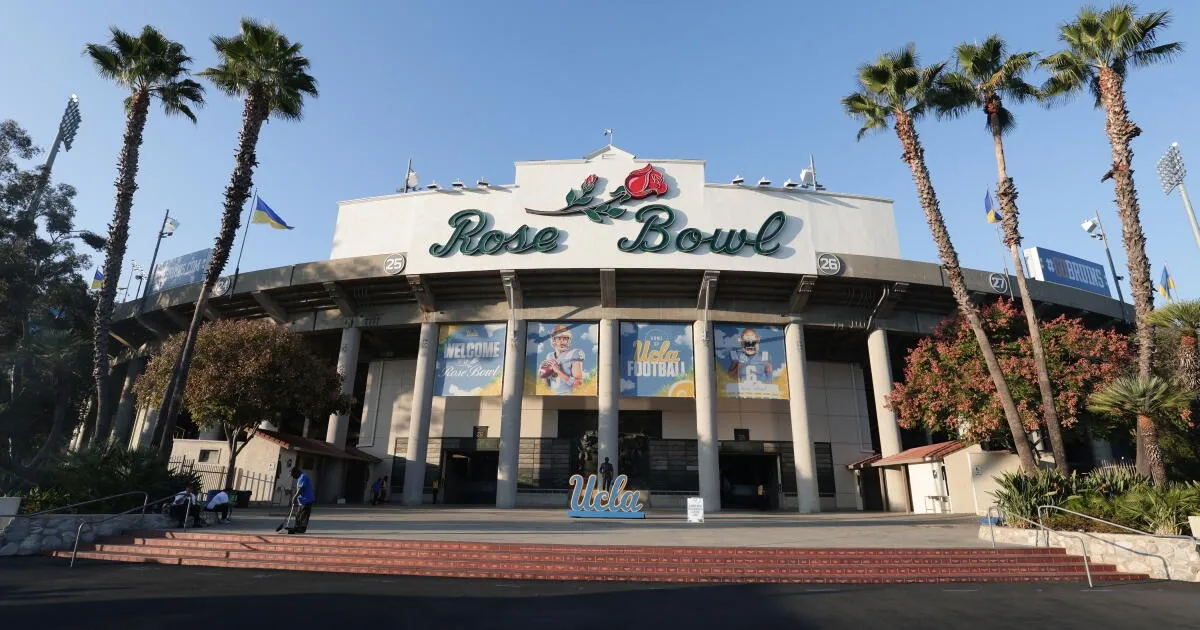
A familiar setting, with unfinished business
There is history here, and for UCLA it arrives wearing red. The Bruins lead the series 7–4, but Wisconsin has won the last three meetings: the 1994 and 1999 Rose Bowls, then the 2000 Sun Bowl. UCLA has never beaten the Badgers in this stadium. That is useful context for the afternoon, though it will be of limited assistance to anyone trying to set the edge.
Wisconsin’s recent work supplies a better reason to take the visitors seriously. The comeback at Penn State showed a team capable of surviving a difficult road assignment. The 31–3 win over Michigan State showed something equally welcome: the ability to handle a conference opponent without turning the closing minutes into a family medical concern. A bye followed. The Badgers have had time to prepare.
UCLA’s last assignment was considerably less restful. Winning 17–15 at Oregon required nerve, defense, and seven takeaways. Seven is an extraordinary number. It should produce appreciation rather than an operating assumption. Wisconsin cannot count on receiving that many extra possessions, and UCLA cannot count on every opponent being quite so generous.
Give the new quarterback something useful
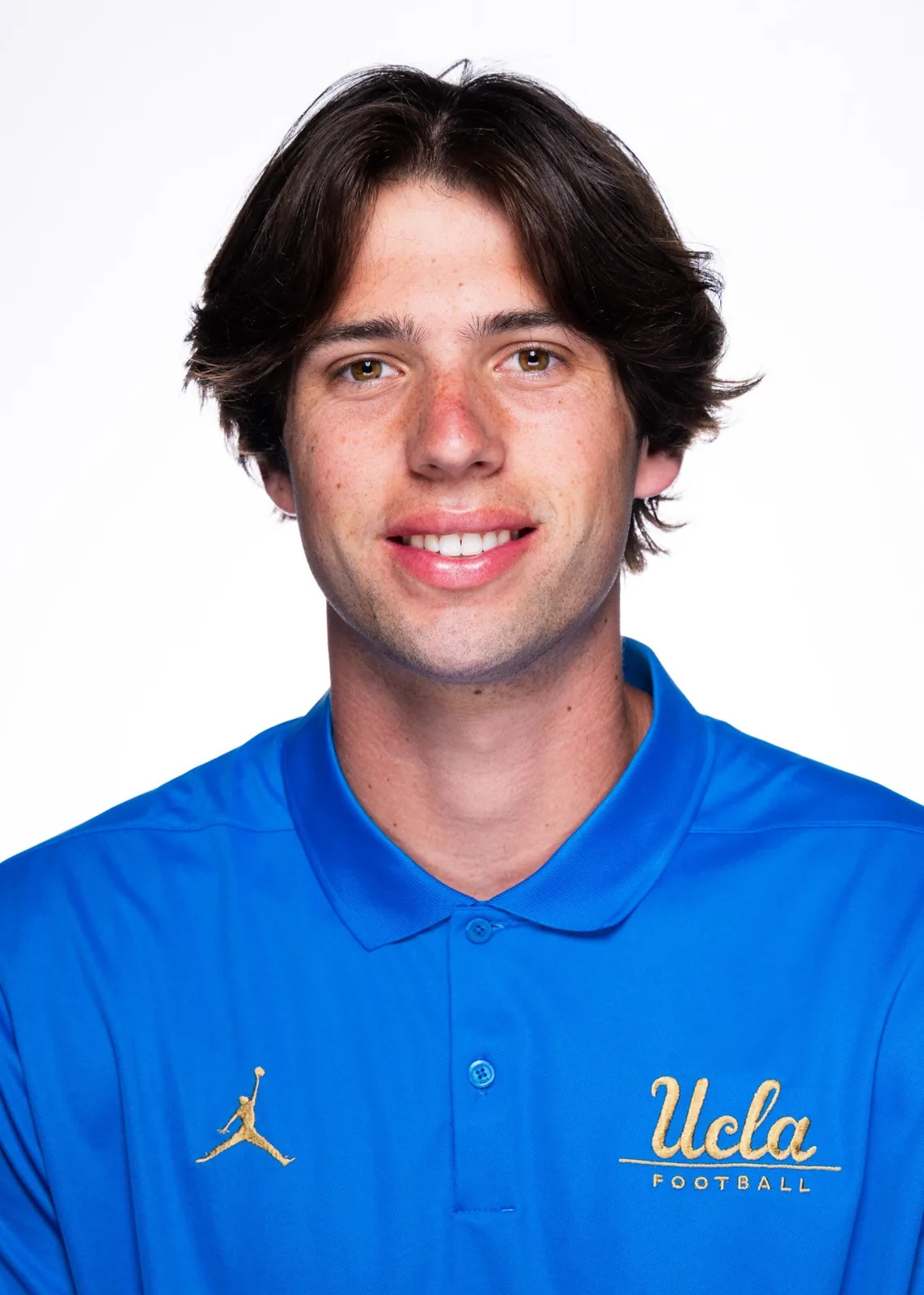
Iamaleava’s knee injury changes UCLA’s preparation. Dieffenbach helped finish the Oregon win; now he inherits the larger job of starting at home for an unbeaten team. There is a temptation to discuss that as if the Bruins are handing him the season in one very heavy parcel. In practice, they should hand him one understandable decision at a time.
My preference would be an early completion with a clear purpose. Use motion to help identify coverage. Offer a back as an outlet. Give the quarterback a throw he can deliver before Wisconsin’s pressure makes the picture untidy. That is not timid football. It is how an offense establishes a useful conversation with its quarterback instead of opening with a lengthy examination.
The danger comes when caution becomes an announcement. If Wisconsin can treat every early down as a run and every third down as the only passing opportunity, UCLA has simplified the evening for the wrong people. Dieffenbach needs permission to take an available throw, including downfield when the protection and matchup justify it. Protecting a quarterback should not mean removing all his choices.
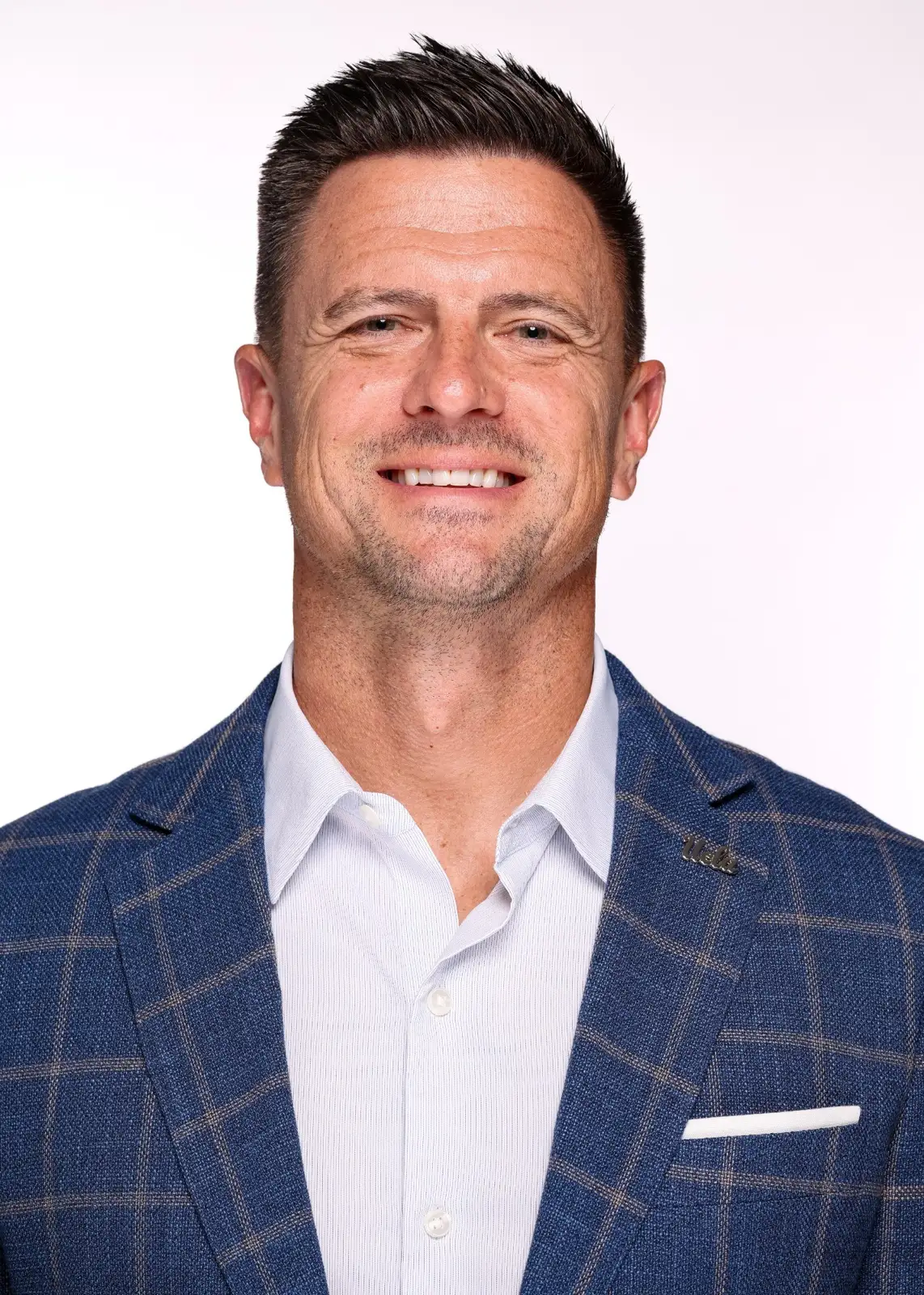
Wisconsin’s best answer is pressure that stays attached to a plan. Make Dieffenbach reset his feet or reconsider the first option. Change the picture without leaving a convenient escape route. A defender disappearing past the pocket at high speed can look spectacular while contributing very little to the result. The Badgers need discomfort, followed by a tackle.
For UCLA’s line and receivers, this is shared responsibility. Protection must buy enough time for the call. Routes must arrive where the quarterback expects. A receiver who turns a sensible throw into a first down is helping establish trust that can survive a less sensible situation later. We spend a great deal of time discussing quarterbacks as solitary figures. Saturday afternoons are unkind to that theory.
Wisconsin must make the run difficult twice
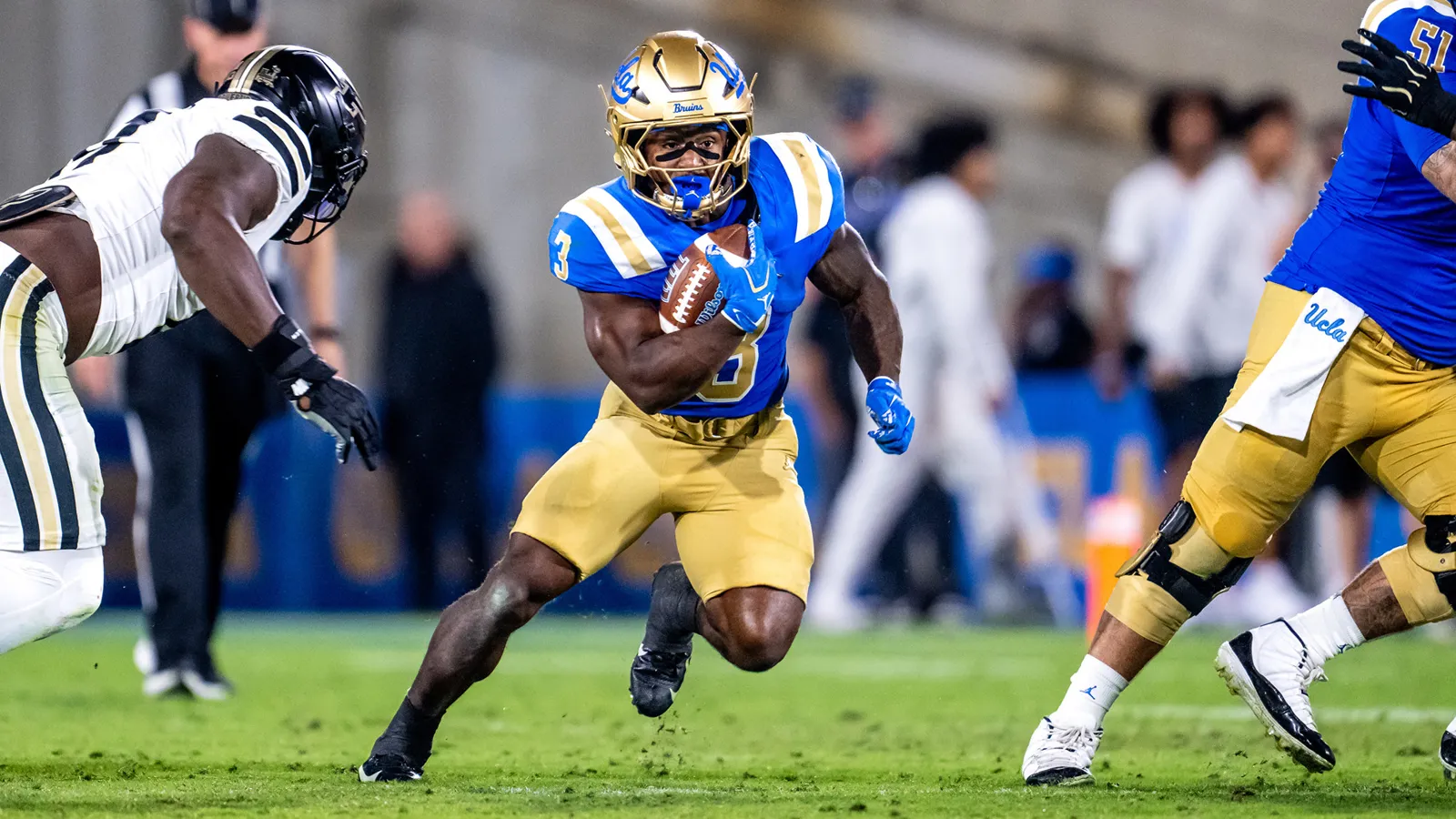
The Bruins enter averaging 253.2 rushing yards per game. Wayne Knight, Anthony Woods, and Jaivian Thomas give them different options without requiring an entirely different offense. Knight ran for 103 yards at Oregon and scored both UCLA touchdowns, one rushing and one receiving. Wisconsin cannot treat the ground game as background scenery while it studies the quarterback.
The first task is creating a difficult lane. The second is preventing a useful recovery after the runner finds it. Those are separate jobs. Setting the edge too aggressively can create a cutback; charging into a gap without help behind you can turn a promising defensive snap into a long pursuit. Watch the second defender. His angle often tells us whether a modest gain stays modest.
Mason Posa and Cooper Catalano matter here because patience can be as useful as speed. A linebacker who remains in position can close the runner’s next option. One who commits too early may find himself watching the option happen somewhere else. This is demanding work against backs who do not require an engraved invitation to change direction.
For UCLA, the payoff is bigger than the rushing total. Four or five useful yards preserve the playbook. A run stuffed behind the line makes Wisconsin’s next decision easier and Dieffenbach’s harder. If the Bruins keep arriving at third and manageable, they can make this feel like an ordinary offensive afternoon. Wisconsin would prefer a succession of obvious passing situations and an increasingly elaborate discussion on the UCLA sideline.
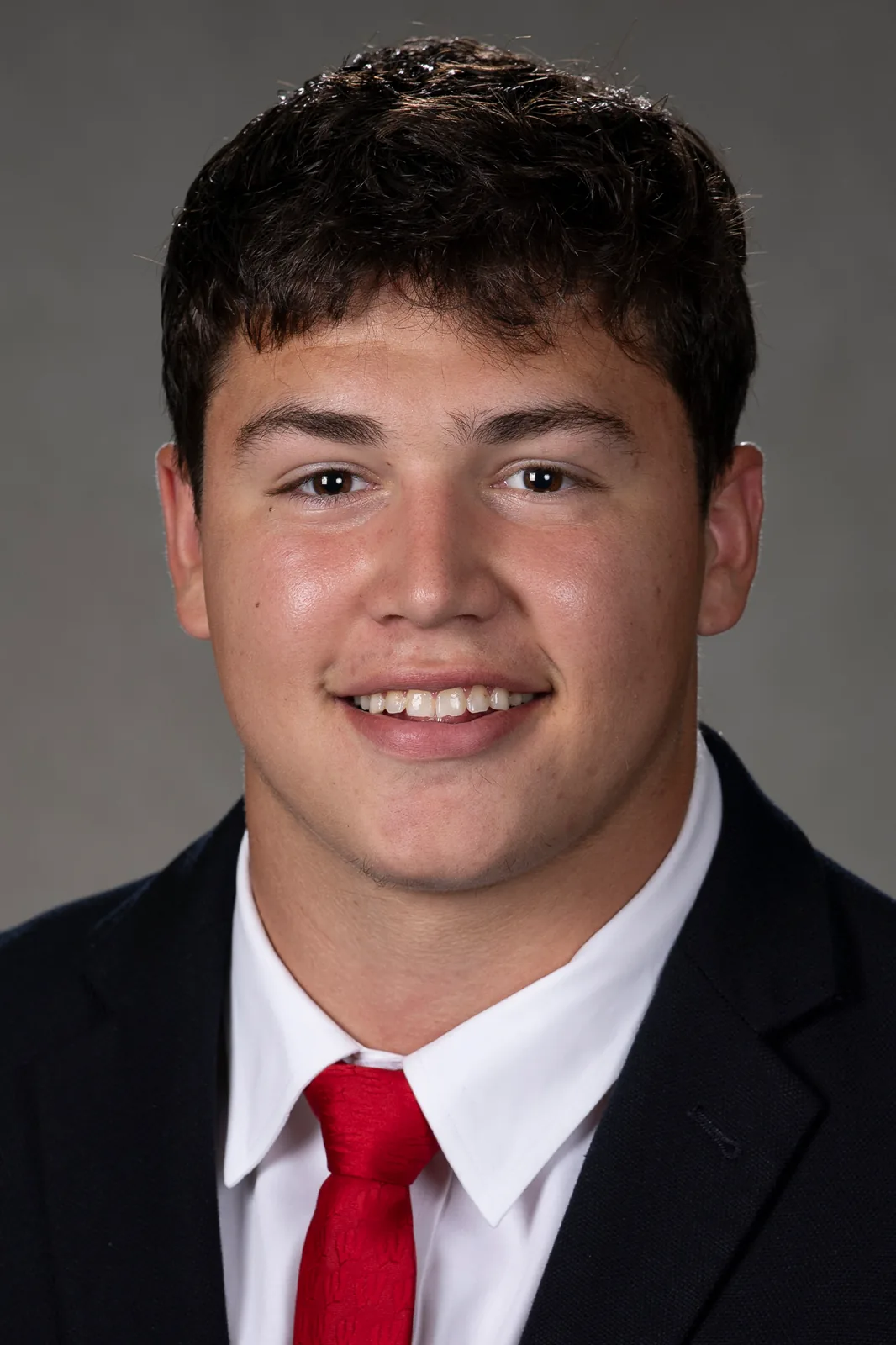
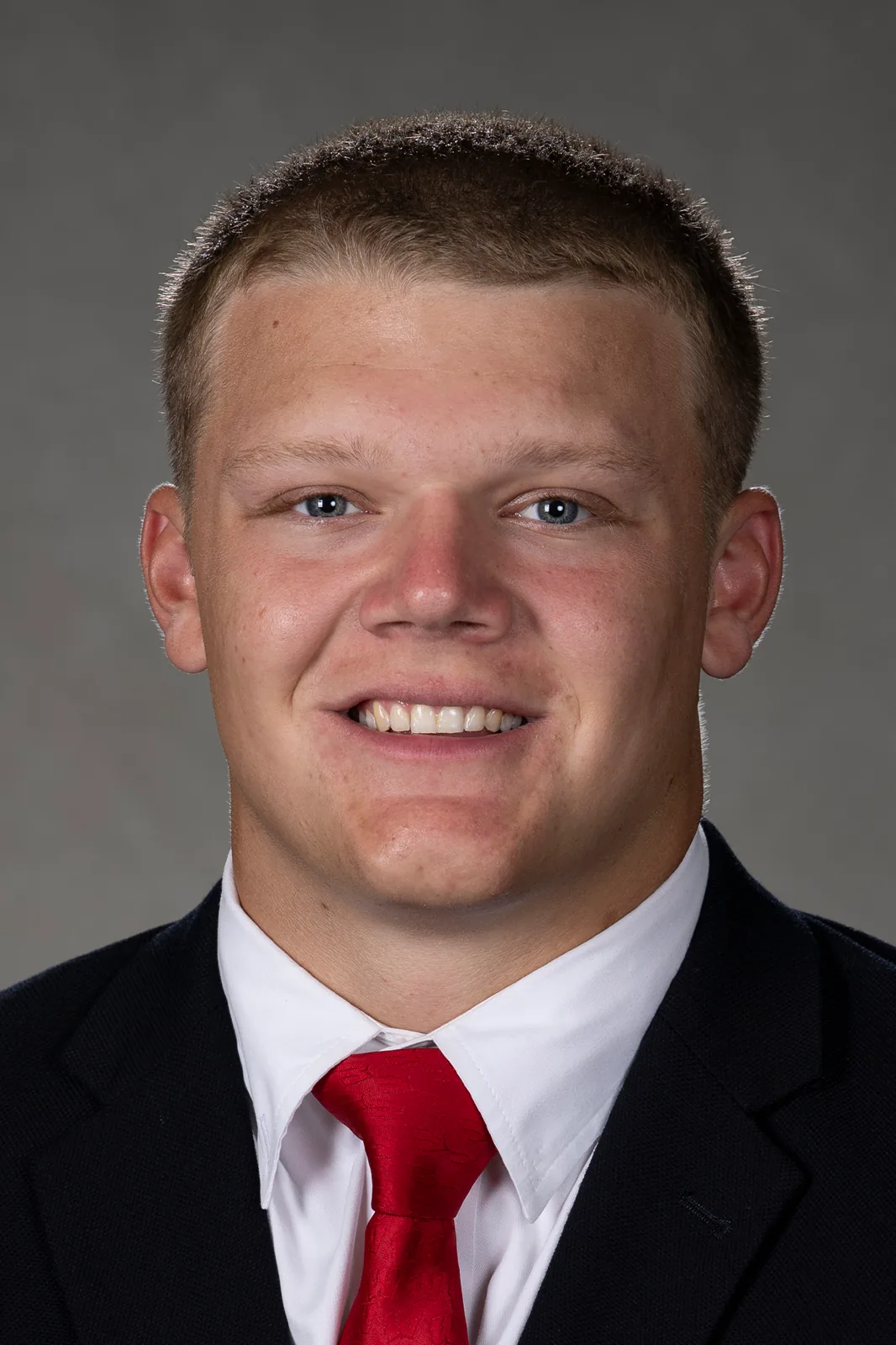
Joseph needs a supporting cast, too
Colton Joseph’s last appearance included 141 rushing yards and three touchdown passes against Michigan State. That combination makes a defense account for more than the original drawing of the play. A quarterback who can keep the ball, escape pressure, or extend a passing opportunity forces defenders to remain responsible for several uncomfortable possibilities.
But mobility cannot become Wisconsin’s entire answer. UCLA will be prepared to pursue Joseph, and the Badgers need routine completions that do not begin with him escaping a crisis. A useful first-down throw matters even when it does not make the highlights. It keeps the next call available and prevents the defense from organizing itself around the same narrow problem.
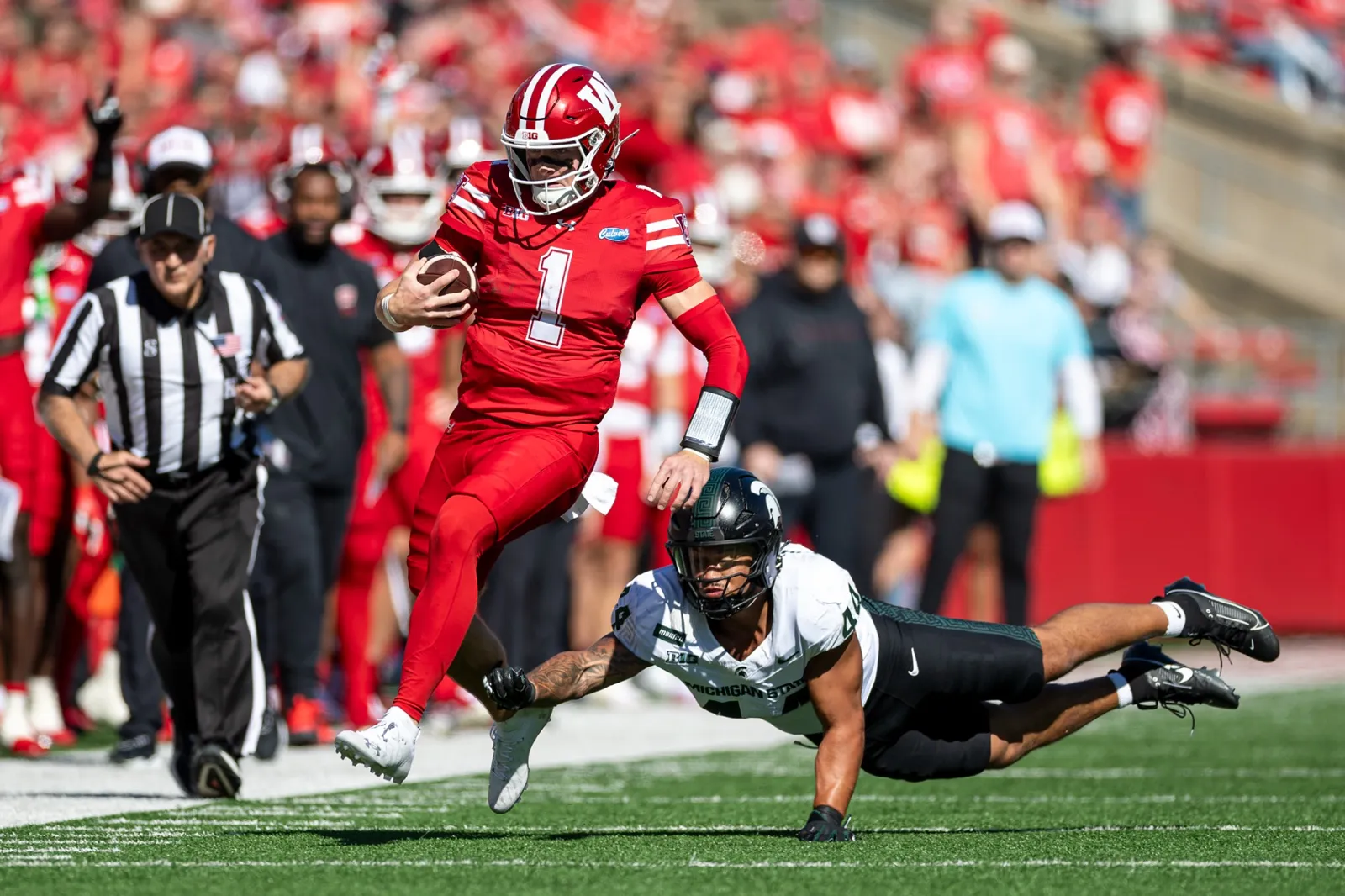
I would like Wisconsin to use the running threat to create a specific conflict. If a linebacker steps toward Joseph, make the space behind him useful. If he stays in coverage, give the quarterback a sensible running opportunity. The purpose is to make a defender choose, then have a prepared answer to the choice. Motion and play-action should clarify that decision rather than merely decorate it.
Jacob Harris is interesting in that space. A tight end working behind a defender concerned about the quarterback can offer a cleaner target than an ambitious throw into a crowded sideline. Tyrell Henry gives Wisconsin another receiving option UCLA must respect. The Badgers need those options to become catches often enough that Joseph is not required to rescue every second possession personally.
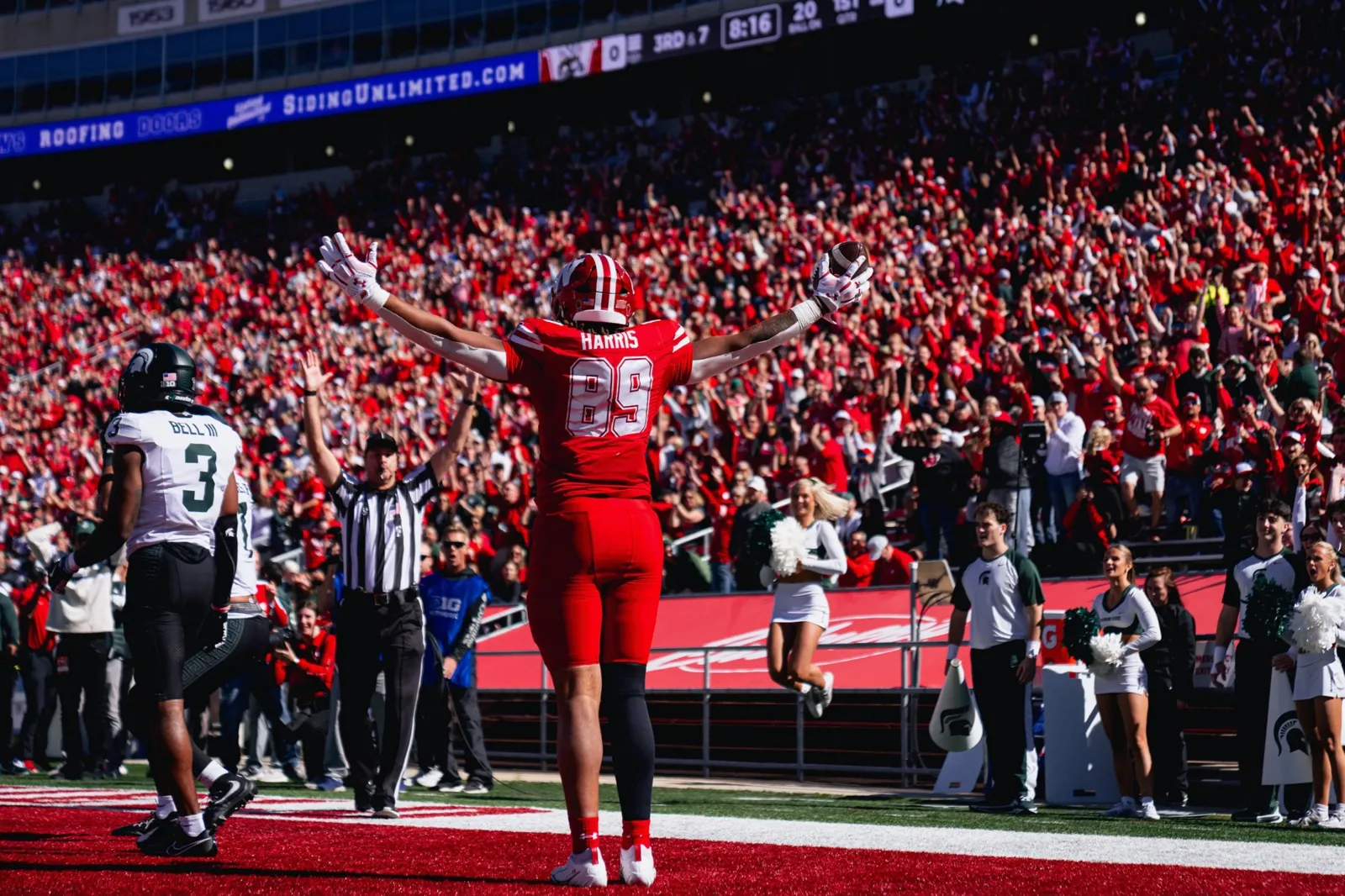
The Bruins’ responsibility is to keep the original coverage alive when the pocket does not survive. A scrambling quarterback can make a defensive back look toward the immediate excitement and forget the receiver continuing behind him. UCLA needs coordinated pursuit: somebody to contain Joseph, somebody to finish, and everybody else still remembering why they were standing there.
That is where the defense’s recent success deserves attention without becoming a guarantee. Takeaways are wonderful. Positioning, communication, and tackling are the things a team can keep asking for when the ball declines to bounce into its hands. Wisconsin should expect an active defense, not an opponent waiting politely for the new quarterback to settle in.
Three things worth watching from the chair
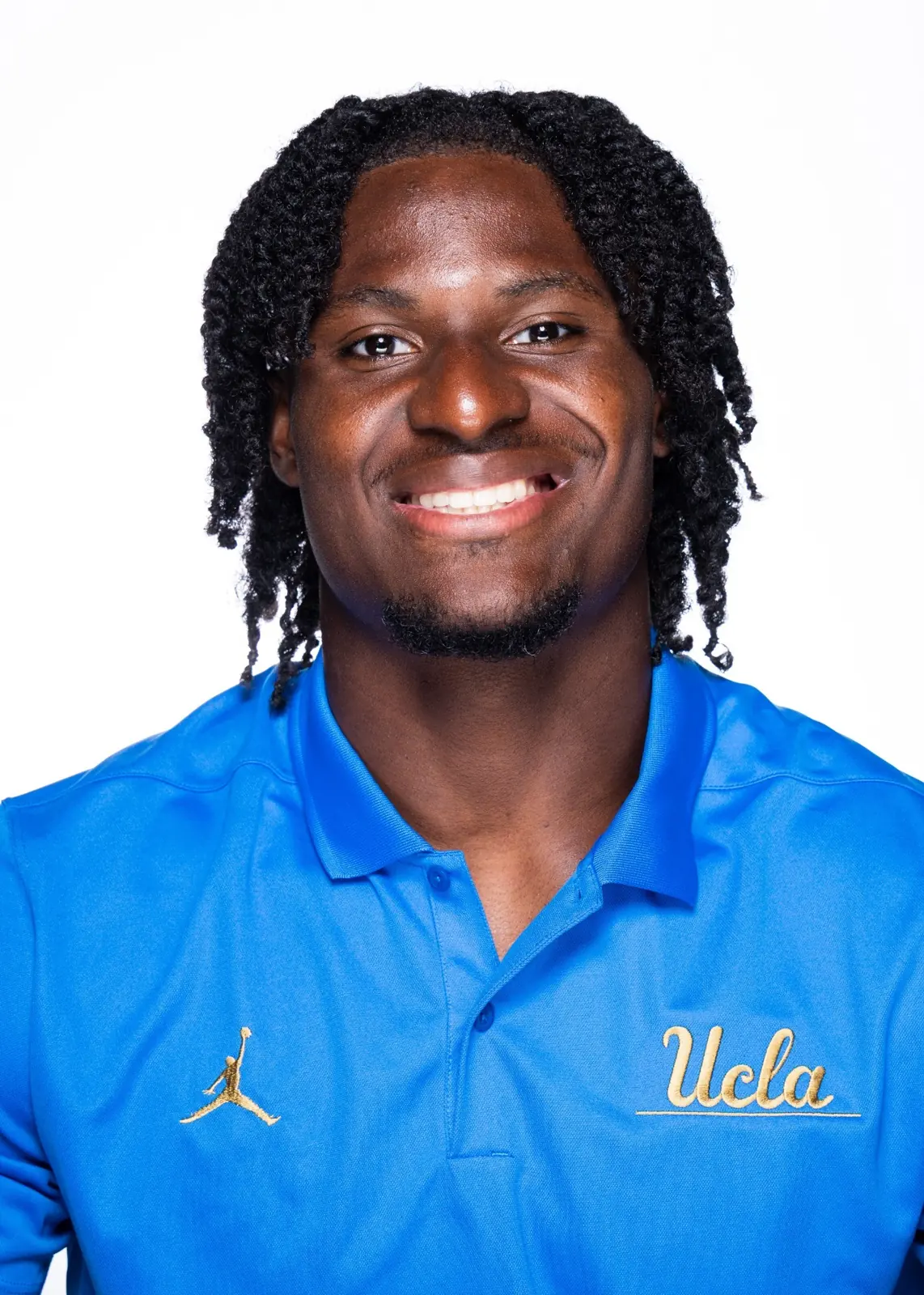
First, watch the down after a failed run. Does UCLA still have a reasonable answer, or does the drive immediately become Dieffenbach’s private emergency? Wisconsin’s run defense only gets the full benefit of its work if the next passing situation remains difficult. An early-down stop is an invitation to finish a possession, not permission to begin celebrating it.
Second, watch Joseph’s ordinary completions. The spectacular escape will attract everyone’s attention. The throw delivered on time to an available receiver may tell us more about whether Wisconsin can sustain offense for an entire evening. Supporting the quarterback means giving him those answers and executing them around him.
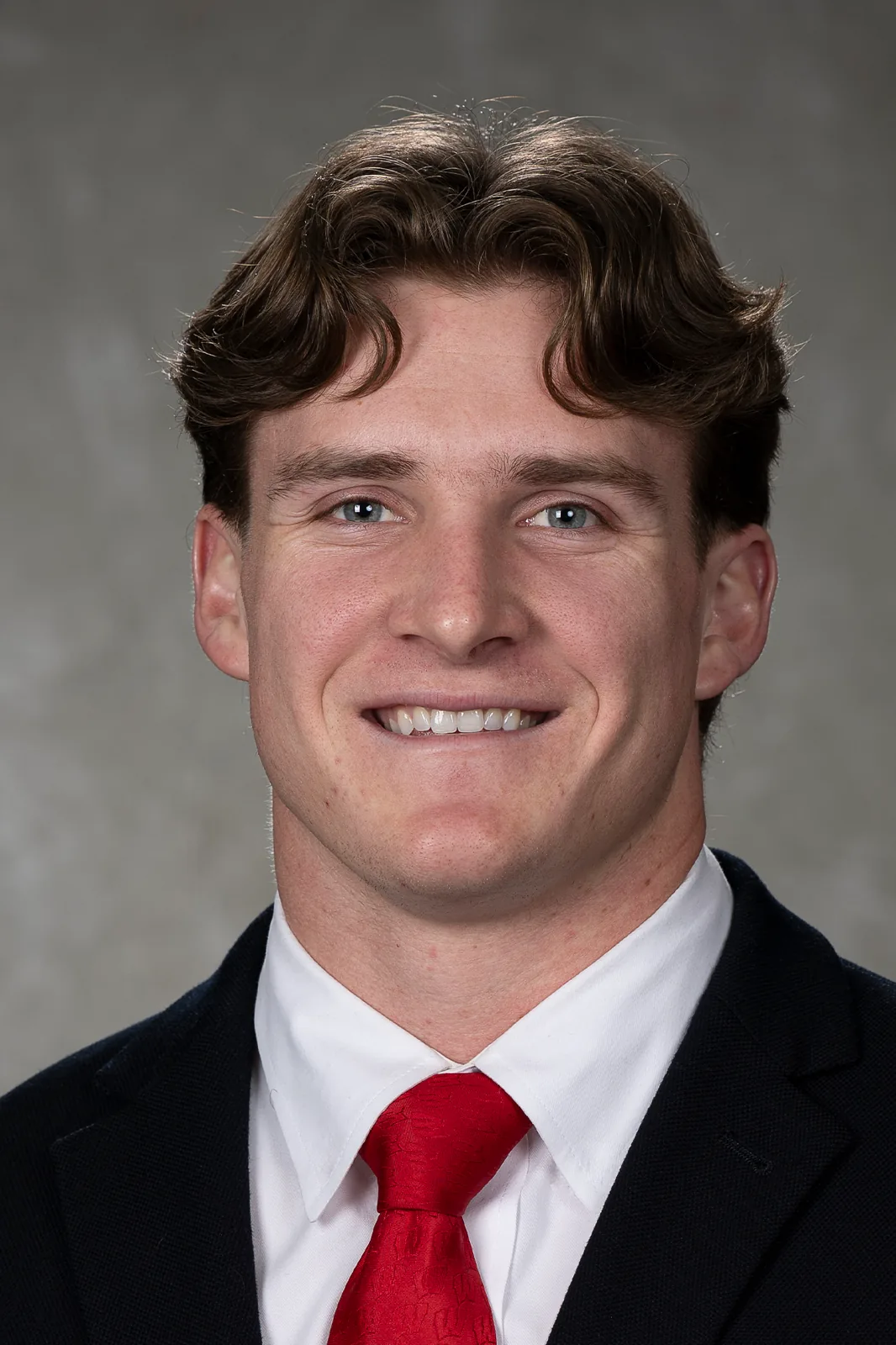
Third, count the gifts. A late penalty, a mishandled exchange, a return that begins with uncertainty: close games can turn on moments nobody discussed during the television introduction. Both teams have reason to expect a competitive finish. Neither can afford to spend the evening returning hard-earned field position to the customer service desk.
The bye gives Wisconsin time, not evidence. We should see its value in cleaner communication and a useful response when the first call gets stopped. UCLA’s Oregon victory gives the Bruins confidence, not a second scoreboard advantage. The visitors have no obligation to participate in the congratulations. Both teams need to turn preparation into something visible.
Steve’s call: Wisconsin 24, UCLA 21
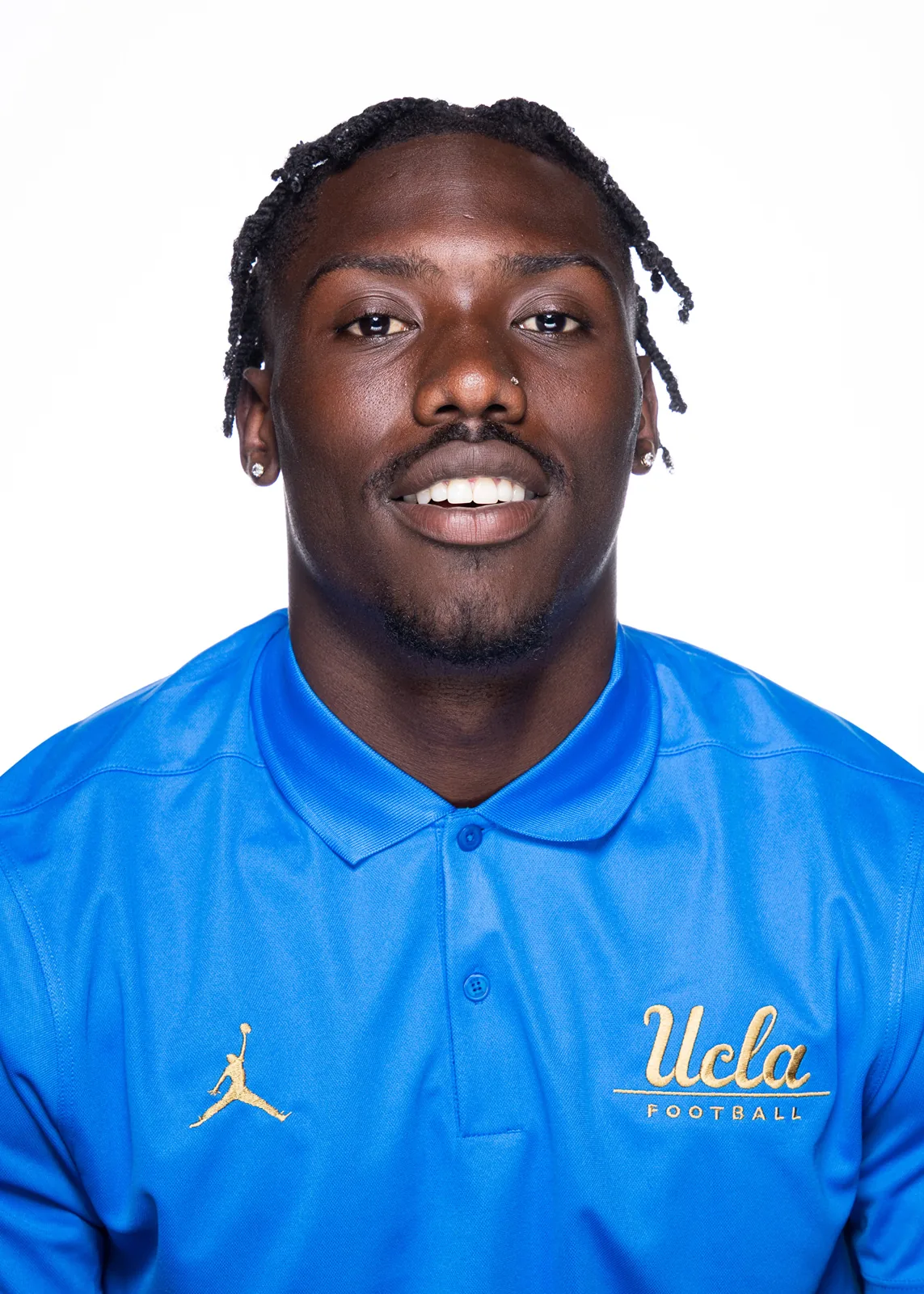
I am leaning toward Wisconsin because the extra preparation and UCLA’s quarterback transition give the Badgers’ defense a plausible way to control enough of the evening. That requires Joseph to protect possession, the offense to complete useful throws, and promising drives to produce points. It is a narrow forecast with several moving parts, which is also a fair description of my confidence.
UCLA can make the prediction look foolish by running effectively and letting Dieffenbach deliver on time. The Bruins have home field, dangerous backs, and a defense capable of changing a possession in one snap. Picking Wisconsin does not require overlooking any of that. It means judging that the visitors can turn this particular opportunity into a small advantage.
There will be a winner tonight, and there will be somebody at this breakfast table tomorrow explaining why his prediction deserved more cooperation. Until then, enjoy the setting, feed the people beside you, and leave room for the possibility that the new quarterback is considerably less worried than everyone discussing him. Go Bruins. On, Wisconsin.