 PRE-GAME
UCLA BRUINS + WISCONSIN BADGERS
Autzen has questions. UCLA brought its running backs
The unbeaten Bruins visit Oregon for a proper examination. Wisconsin gets a bye, and a useful look at next week’s opponent.
Listen to Repinkee Sports on Apple Podcasts UCLA4–0
 Oregon3–1
12:38 PM PT / 2:38 PM CT · CBS
Autzen Stadium · Eugene
 Wisconsin4–1
BYE WEEK
Next: at UCLA · October 17
UCLA has spent September making football look rather agreeable. Four wins, a running game with actual room to run, and a defense that recently treated Maryland’s passing attack like an unattended buffet. Now comes Oregon, where the atmosphere is less welcoming and the complimentary confidence expires at the stadium entrance.
The No. 21 Bruins visit the No. 13 Ducks at Autzen Stadium today. UCLA is 4–0 and 2–0 in the Big Ten; Oregon is 3–1 and 1–0. CBS coverage is listed for 12:30 Pacific, 2:30 Central, with UCLA announcing kickoff at 12:38. Wisconsin has the weekend off. One half of our household can eat lunch without negotiating with a television.
This is an opportunity to learn something substantial about Bob Chesney’s first UCLA team. The Bruins have earned their start. They have not yet demonstrated that their favorite way of playing travels into this particular environment against this particular defense. That distinction should create interest rather than an automatic verdict. You cannot ask a team to prove itself, then dismiss the possibility that it might.
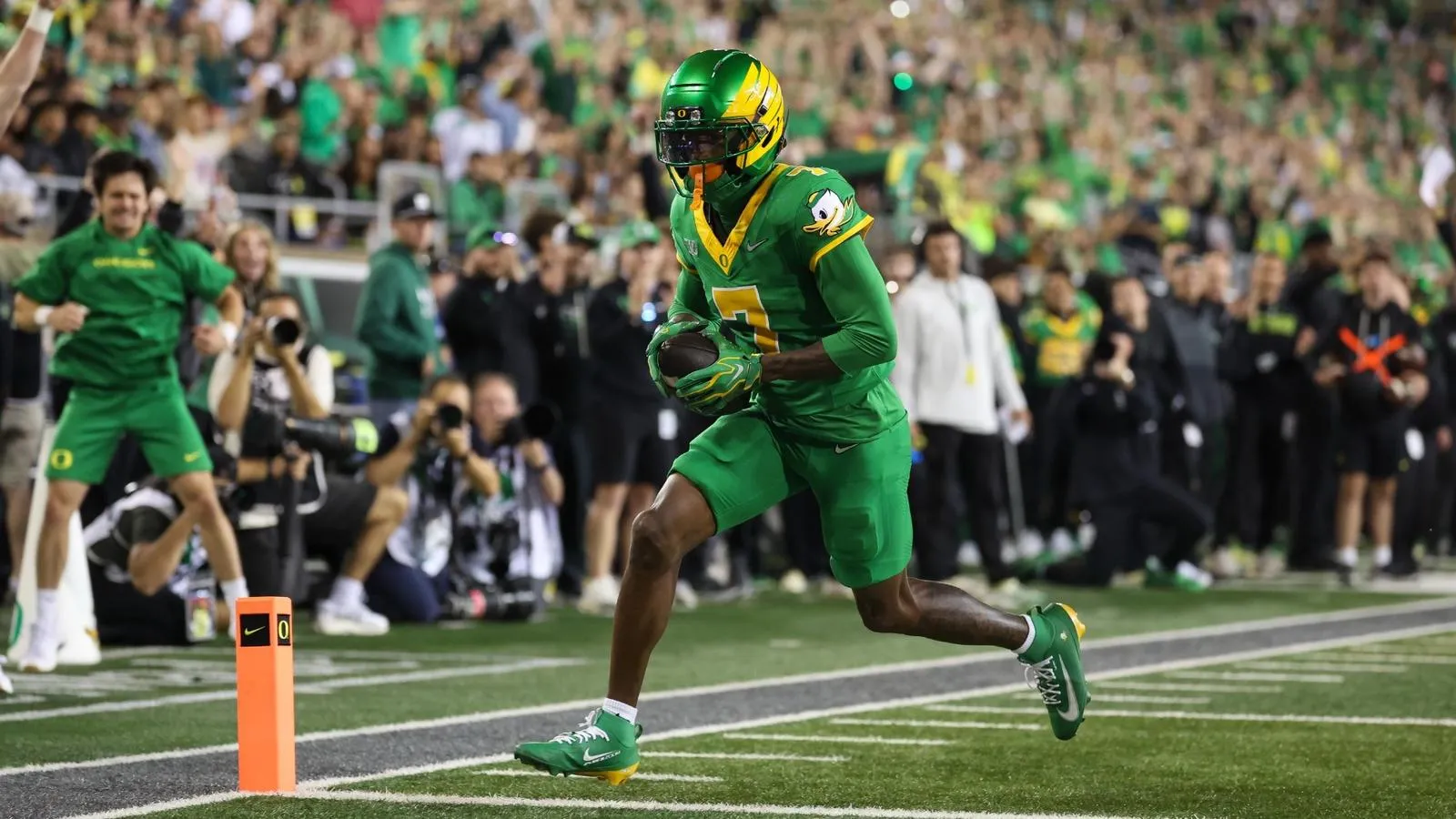
Bring the running game, and an alternative plan
UCLA’s rushing attack has supplied the foundation of the season. Wayne Knight offers the obvious reason to pay attention, with Anthony Woods and Jaivian Thomas giving the Bruins additional ways to distribute the work. A backfield with several useful options can keep an offense fresh without requiring every possession to introduce a completely different personality.
The important question today is what happens when an early run produces very little. Oregon wants the Bruins to arrive at third down with a long list of requirements and a short amount of time. UCLA needs enough success before then to preserve choices. Four useful yards can be the difference between running an offense and asking the quarterback to resolve a complaint.
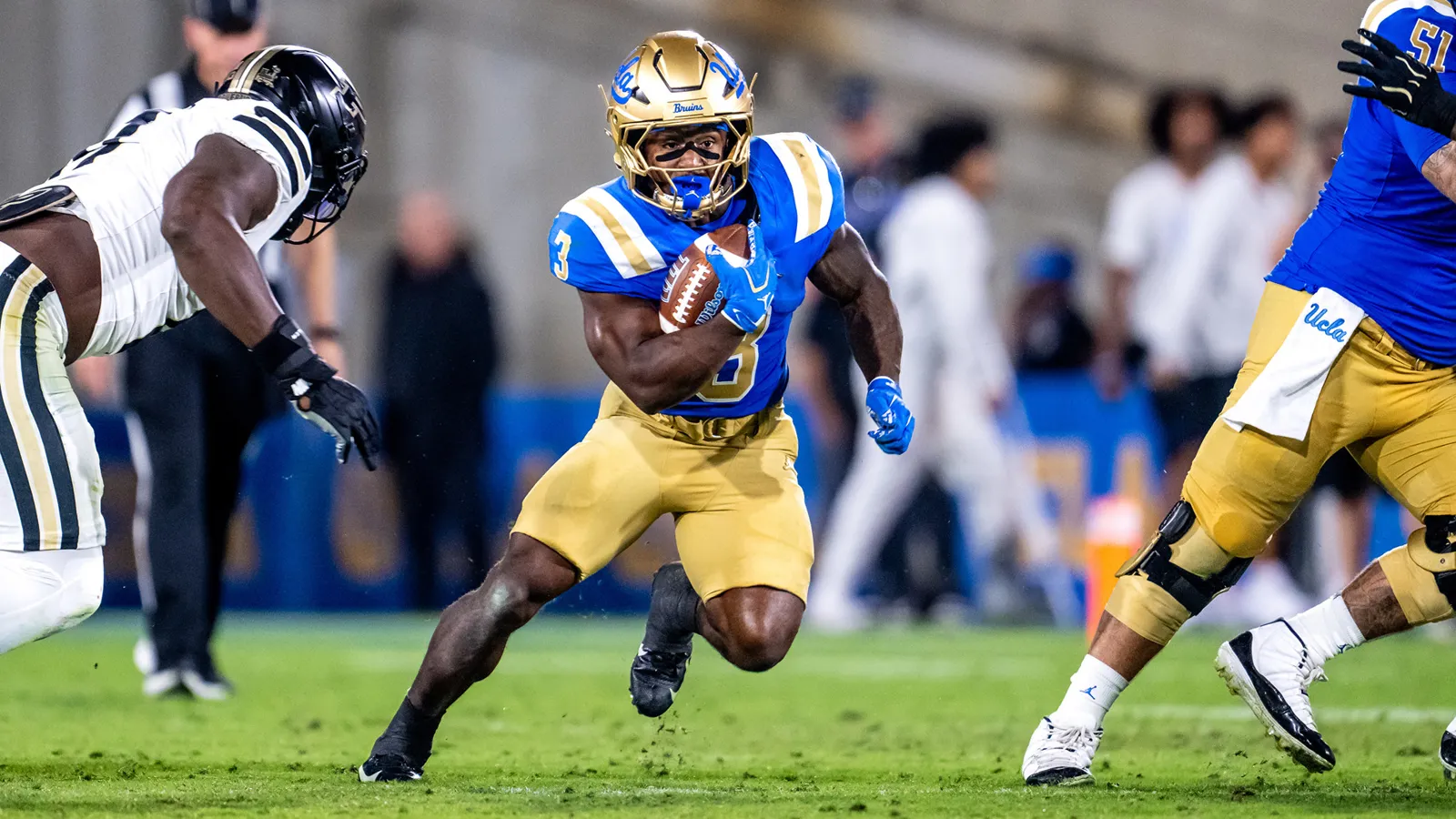
That does not mean running into the same occupied doorway until persistence becomes a character reference. If Oregon commits extra defenders to the box, the passing game needs to make that commitment expensive. An outlet, a timely intermediate throw, or a receiver attacking available space can change what the defense feels comfortable doing next. The point is to make Oregon defend a decision, not merely recognize a habit.
Nico Iamaleava’s job involves more than producing the most ambitious throw available. He needs to keep the next down usable. Taking a completion underneath can be sensible football when it changes the defense’s options. Throwing the ball away can be sensible football when the alternative gives the opponent possession. Neither decision requires an accompanying apology for insufficient excitement.
Autzen will have something to say
Crowd noise becomes meaningful when it changes execution. A protection call arrives late. A lineman moves before the snap. A receiver and quarterback disagree about the adjustment. Those are the moments when home-field advantage stops being a dramatic television image and becomes five missing yards on the next possession.
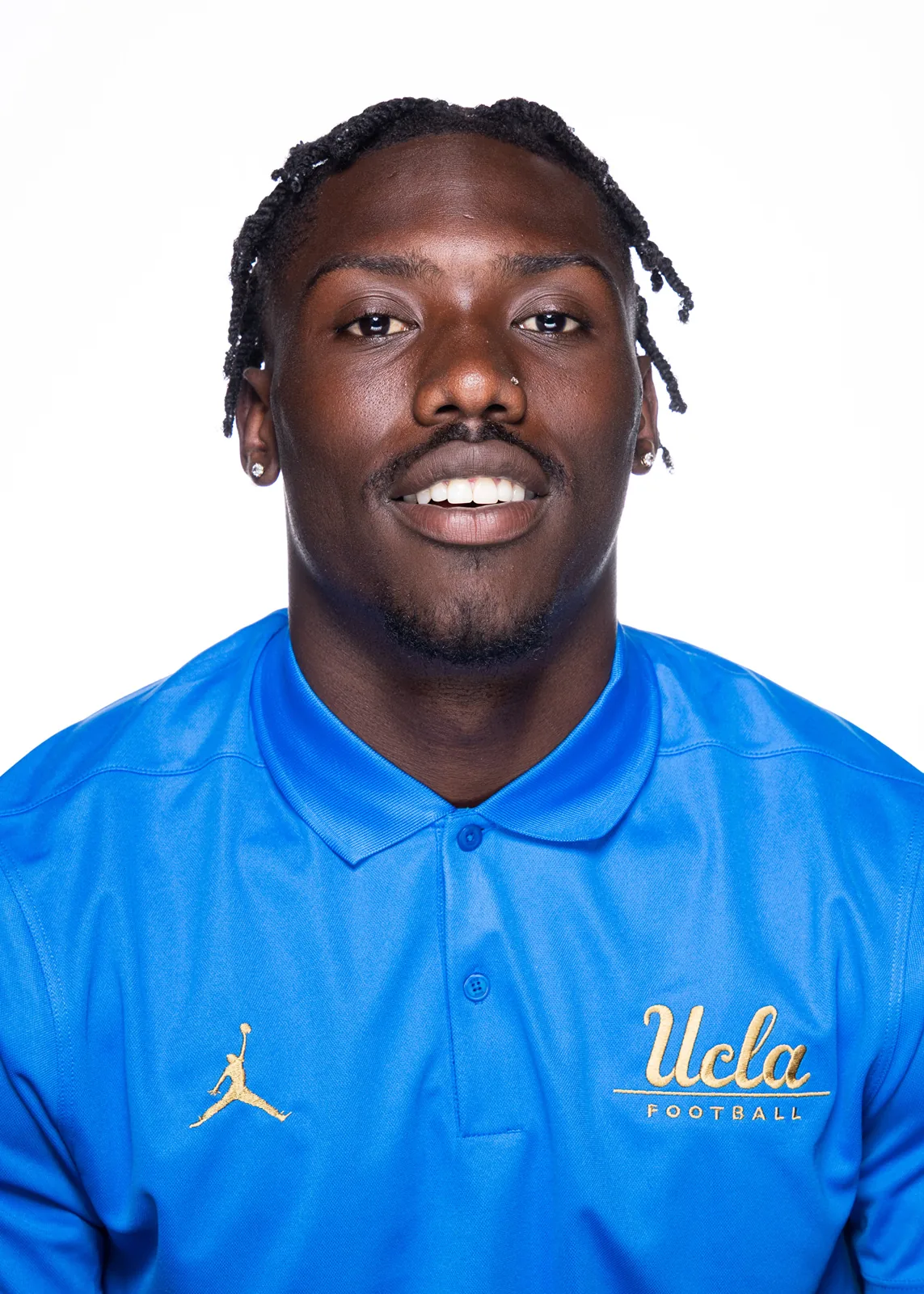
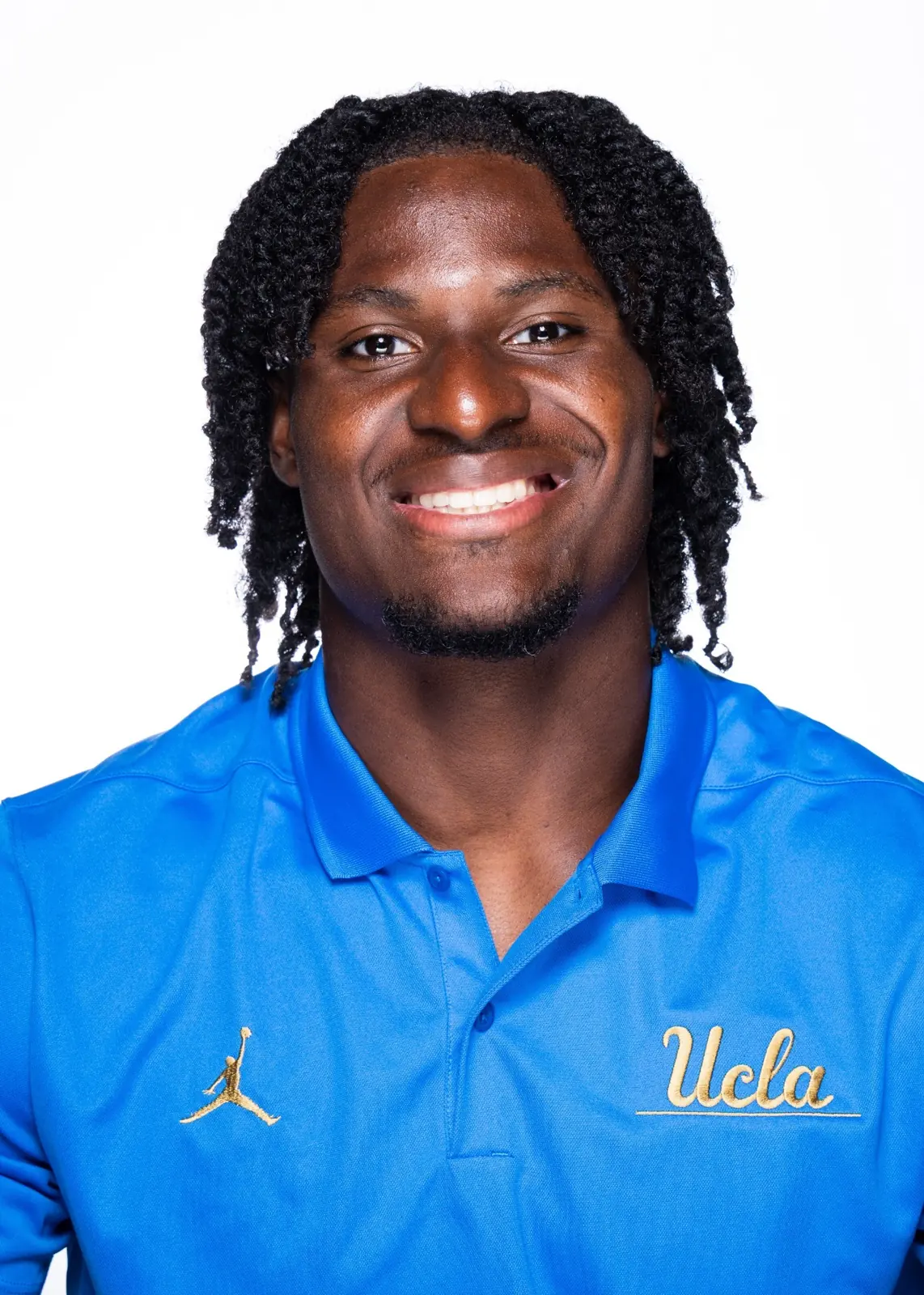
UCLA should have a practical answer before the noise becomes the problem. Communication needs to survive without everybody hearing a normal speaking voice. The sideline needs a call ready. The offense needs to reach the line with time to understand what it sees. None of that is glamorous, which is unfortunate for the people selling glamour and excellent for the people trying to win.
Watch how the Bruins respond to their first stalled drive. A difficult possession is not evidence that the afternoon has become impossible. It is information. Can UCLA adjust the formation, change the timing, or identify an easier completion? The useful response is a playable next series, rather than a public demonstration of frustration.
Oregon has earned respect in this setting. Its preparation and talent deserve more attention than the idea that a loud stadium possesses supernatural powers. UCLA can compete here by executing ordinary responsibilities under uncomfortable conditions. That sounds less cinematic than conquering the atmosphere. It also gives the coaching staff something it can actually practice.
Make Oregon work for the field
The Ducks bring problems of their own. Jordon Davison provides a running threat, while receivers such as Evan Stewart can turn an apparently manageable situation into a much longer pursuit. Defending Oregon requires attention to the player holding the ball and the space the next player might receive. Stopping the first action is only part of the assignment.

For UCLA, the defense should try to create decisions that take longer than Oregon wants. Change the picture. Keep the edge intact. Pursue with enough discipline that a runner cannot solve the problem simply by moving outside the original plan. A defense that manufactures movement without preserving its responsibilities can spend the afternoon congratulating itself on pressure that did not accomplish much.
Sammy Omosigho is central to that conversation. His ability to disrupt a play matters most when the rest of the defense is positioned to finish it. A forced mistake becomes valuable because somebody else is ready to recover the ball, complete the tackle, or prevent a second chance. Individual activity and collective organization need to arrive together.
The secondary must also remain interested after the first few seconds of a play. Receivers do not stop being dangerous because the quarterback has moved. Coverage that survives the initial route but abandons the extended play has completed the easier half of the job. UCLA needs the whole possession, including the part that no longer resembles the original drawing.
Third down is where the terms become clear
Oregon’s official preview identifies third-down defense as a major strength. That makes UCLA’s early-down choices particularly important. The Bruins should not assume that a series of heroic conversions will repair everything that happened before them. Third and manageable offers options; third and long offers the defense a reasonably accurate description of your intentions.
The same principle applies when Oregon has possession. UCLA needs the early tackle that prevents a modest gain from becoming a comfortable setup. It needs the defender who stays in position when motion tries to create confusion. The spectacular stop is welcome. A collection of competent snaps that produces a punt can be just as useful and considerably easier on the nervous system.
There is a temptation in a ranked matchup to expect every decisive moment to announce itself. Often it is a routine completion on second down, a runner falling forward instead of sideways, or a defender taking the correct angle. Those details determine what the coordinator is allowed to call next. The playbook becomes smaller surprisingly quickly when the small work goes badly.
UCLA should also distinguish aggression from impatience. Attacking an opportunity is valuable. Forcing a throw because the previous drive ended badly is a different activity. The Bruins do not need to prove that they belong on every snap. They need to assemble enough successful snaps that the final score settles the question for them.
Wisconsin gets a useful kind of quiet
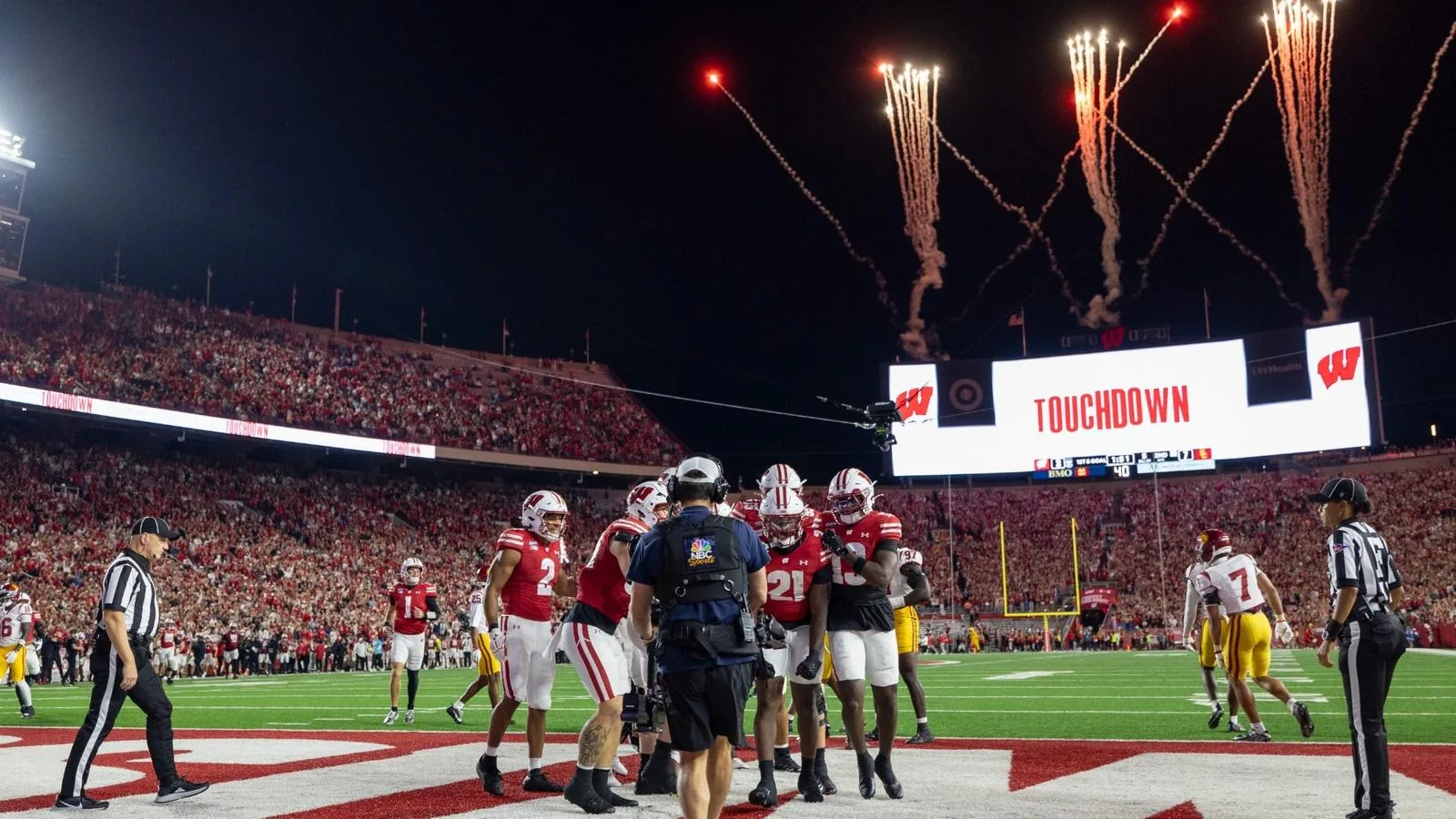
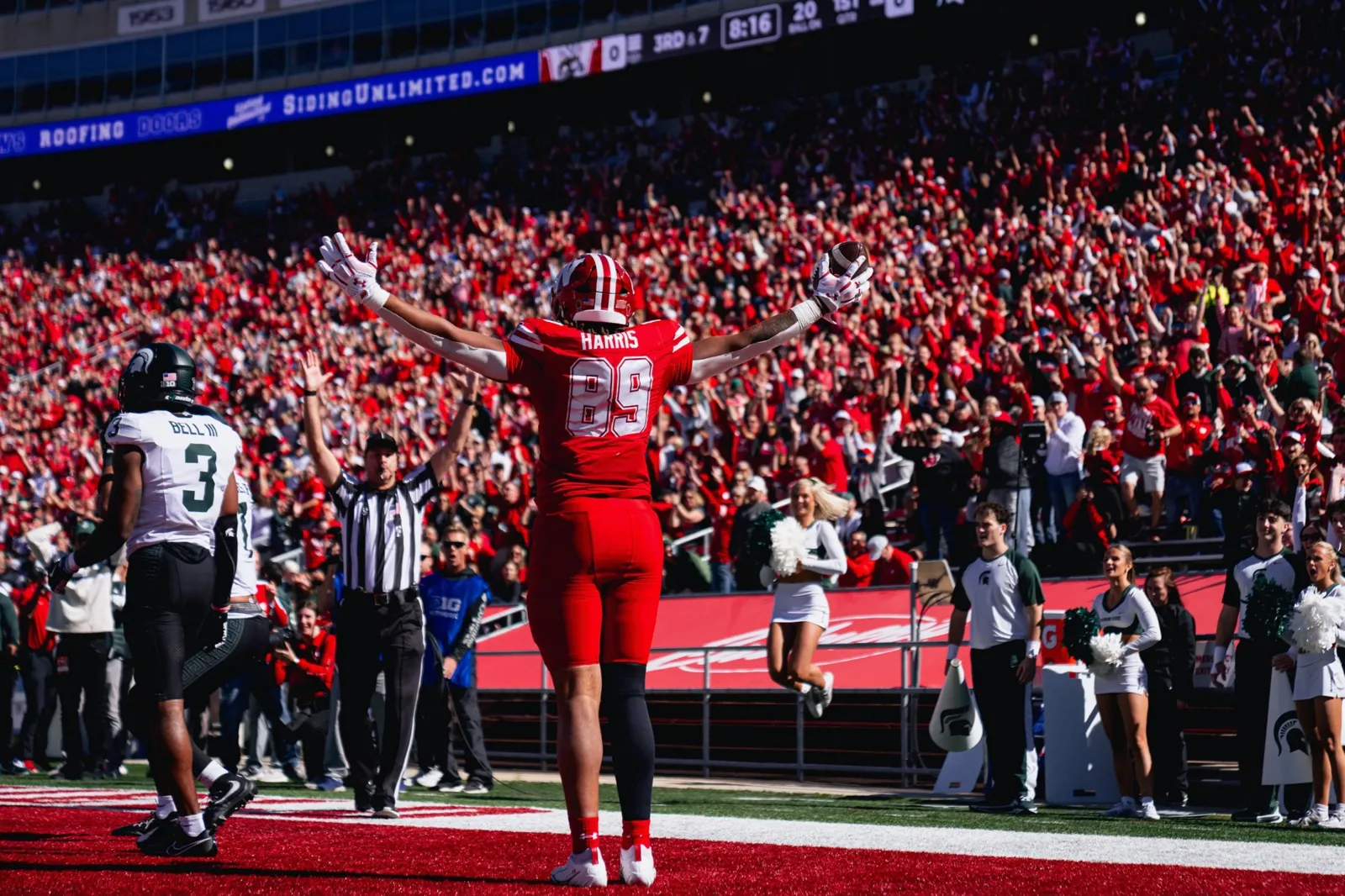
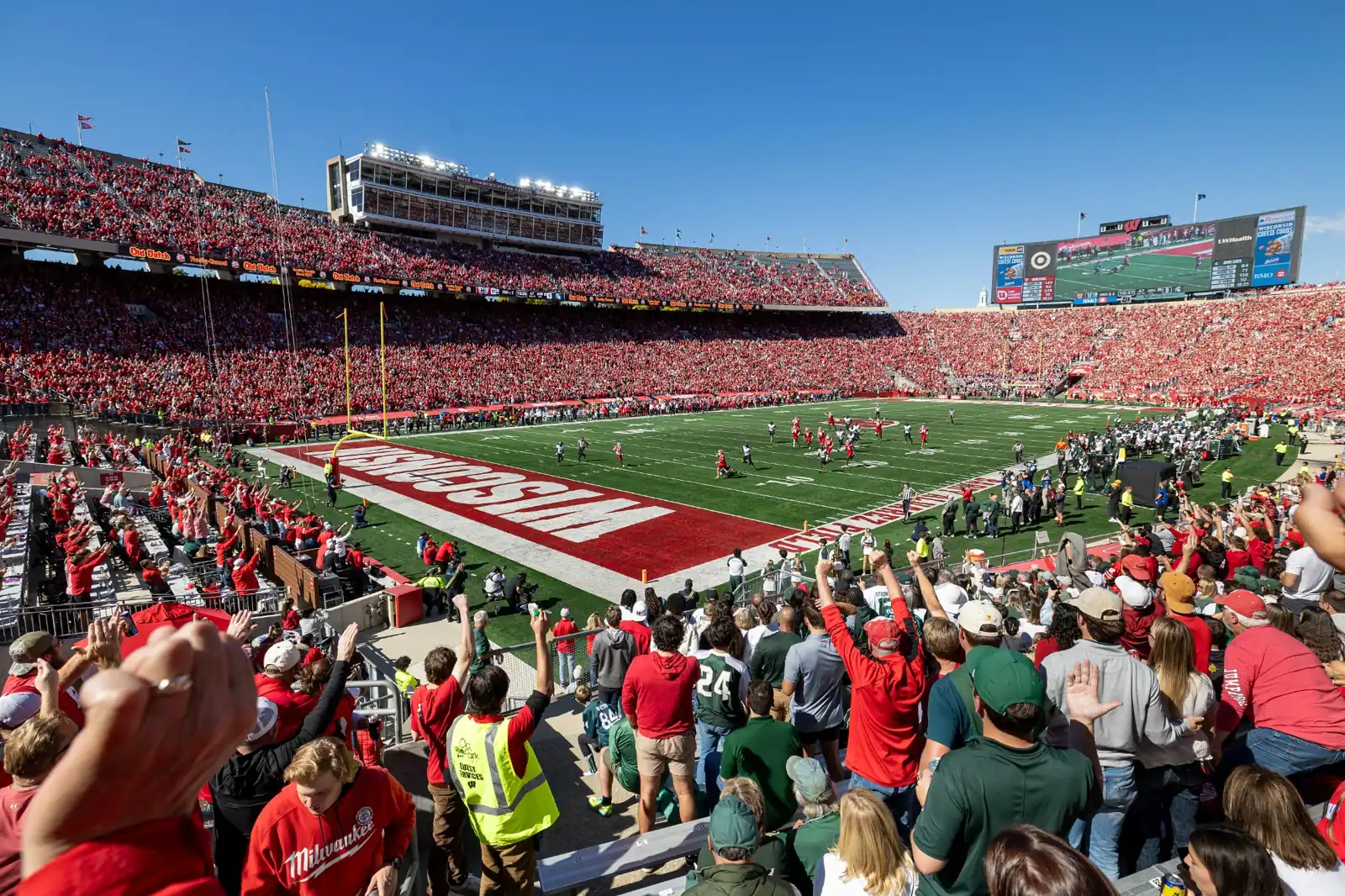
The Badgers are 4–1 after beating Michigan State 31–3 last Saturday. A bye offers an opportunity to recover and study before the trip to UCLA next week. There is no Wisconsin score to manufacture today, and no need to award a victory for remaining indoors. The useful work happens in preparation rather than the standings.
Colton Joseph’s mobility gives Wisconsin a significant offensive resource. The challenge is making sure the passing game supplies dependable help around it. A quarterback who can create with his legs should be an additional problem for the defense, not the entire answer to every problem the offense encounters. That distinction will matter against the Bruins.
For Wisconsin’s defense, today’s UCLA game offers a particularly useful lesson in how the Bruins handle resistance. What does the offense call after an unsuccessful run? Which receivers become the answer when the defense crowds the line? How does protection respond when the initial picture changes? Watching those details is more productive than deciding that one good or bad quarter explains an entire team.
There is also something pleasant about a Saturday in which Badgers supporters can watch another game without feeling responsible for its emotional administration. Enjoy it. The schedule will return to its usual arrangement soon enough, and next week our two loyalties will have to share one football. Today they can at least occupy separate chairs.
The things I want to recognize early
First, I want UCLA’s running game to keep the offense functional even if the long gains are less frequent. An afternoon can still be productive without every successful carry becoming a highlight. A useful gain followed by another useful gain may be the most effective way to reduce a hostile crowd’s involvement in the next snap.
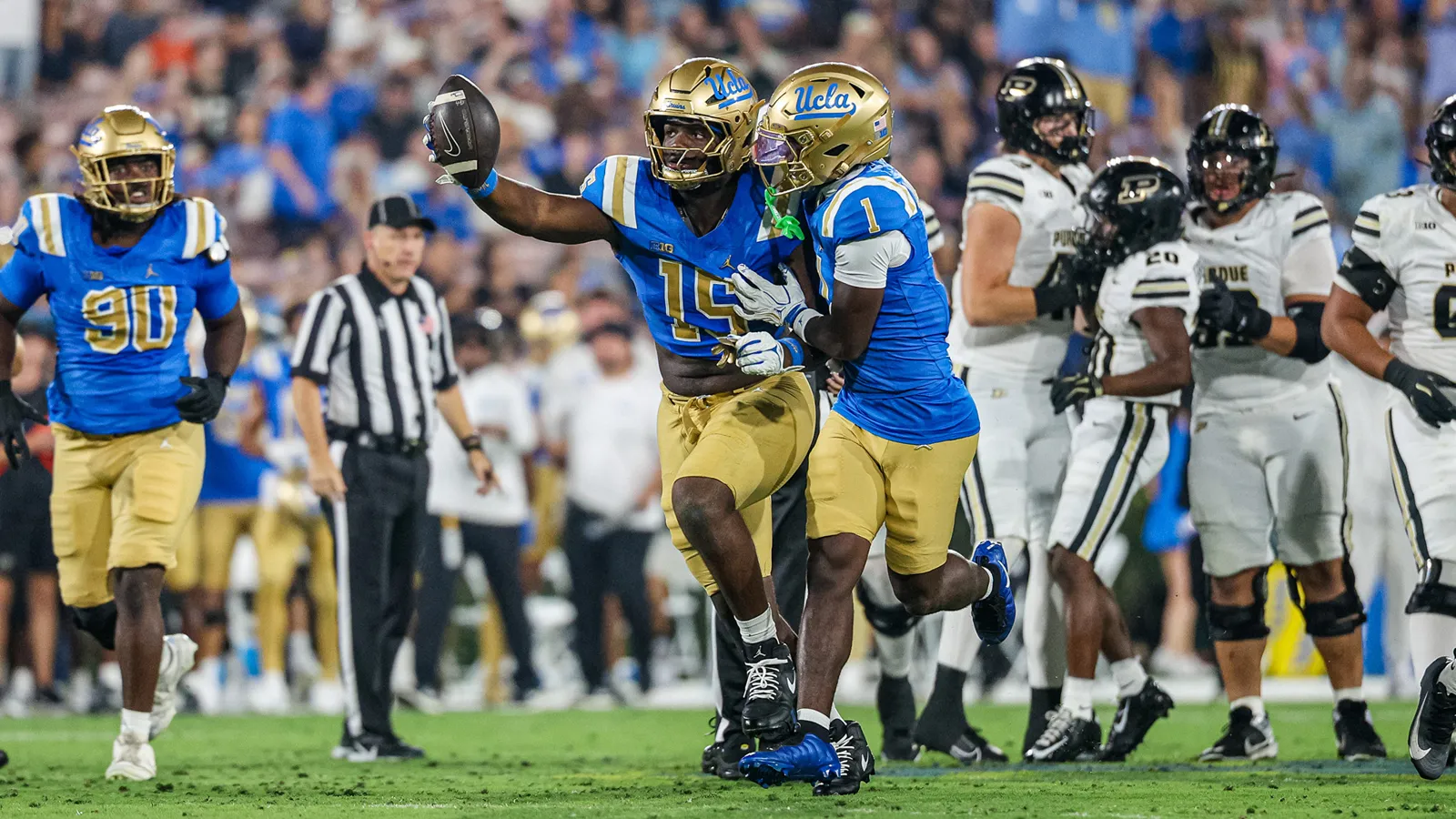
Second, I want to see whether the Bruins can finish defensive possessions without relying on an extraordinary collection of takeaways. Ball disruption is a skill, but recovering every loose bounce is not a service available by subscription. Tackling, coverage, and communication must remain useful when the ball stays with the opponent.
Third, I want discipline after the first uncomfortable sequence. A road game can become much more difficult when disappointment turns into an avoidable penalty or a rushed decision. UCLA needs to keep the next problem separate from the previous one. The television audience may prefer a sweeping explanation. The team needs a correct next play.
There is room to be encouraged even if the afternoon reveals weaknesses. Progress does not require pretending the opponent is irrelevant. Oregon can expose a problem without establishing that UCLA’s entire start was imaginary. The Bruins can make a mistake without surrendering the right to solve it on the next possession.
Steve’s call
I give Oregon the narrow edge because its defense and home environment can make UCLA’s early-down execution difficult. My forecast is Oregon 27, UCLA 24. That is an editorial judgment about this matchup, with a clear route to being wrong: the Bruins sustain the run, protect possession, and prevent Oregon’s explosive players from turning isolated opportunities into a large advantage.
A UCLA win would not require magic. It would require the team’s best qualities to survive a more demanding setting. Make the routine throw. Complete the tackle. Let the running backs keep a possession alive. Then take the larger opportunity when the opponent finally gives it to you. That is a demanding afternoon, but it is recognizable football.
Wisconsin gets the rest. UCLA gets the examination. The rest of us get a Saturday that should tell us considerably more than the ranking beside either name. Put lunch somewhere accessible, keep the remote visible, and remember that explaining the silent count to the television does not make you part of the protection meeting. Go Bruins. On, Wisconsin.