 POST-GAME
UCLA BRUINS + WISCONSIN BADGERS
Seven takeaways. Two points. Nobody sat comfortably
UCLA escapes Eugene 17–15 with a defense that kept taking the football and a finish that required every remaining nerve.
Listen to Repinkee Sports on Apple Podcasts UCLA17
 Oregon15
 Wisconsin4–1
BYE WEEK
Next: at UCLA · October 17
UCLA won at Oregon, and the clean version of that sentence is doing a great deal of work. The Bruins forced seven turnovers, lost their starting quarterback to injury, and still needed a final defensive answer to escape Autzen Stadium with a 17–15 victory. It was not elegant. It was a meaningful road win, which is a considerably more useful thing to bring home.
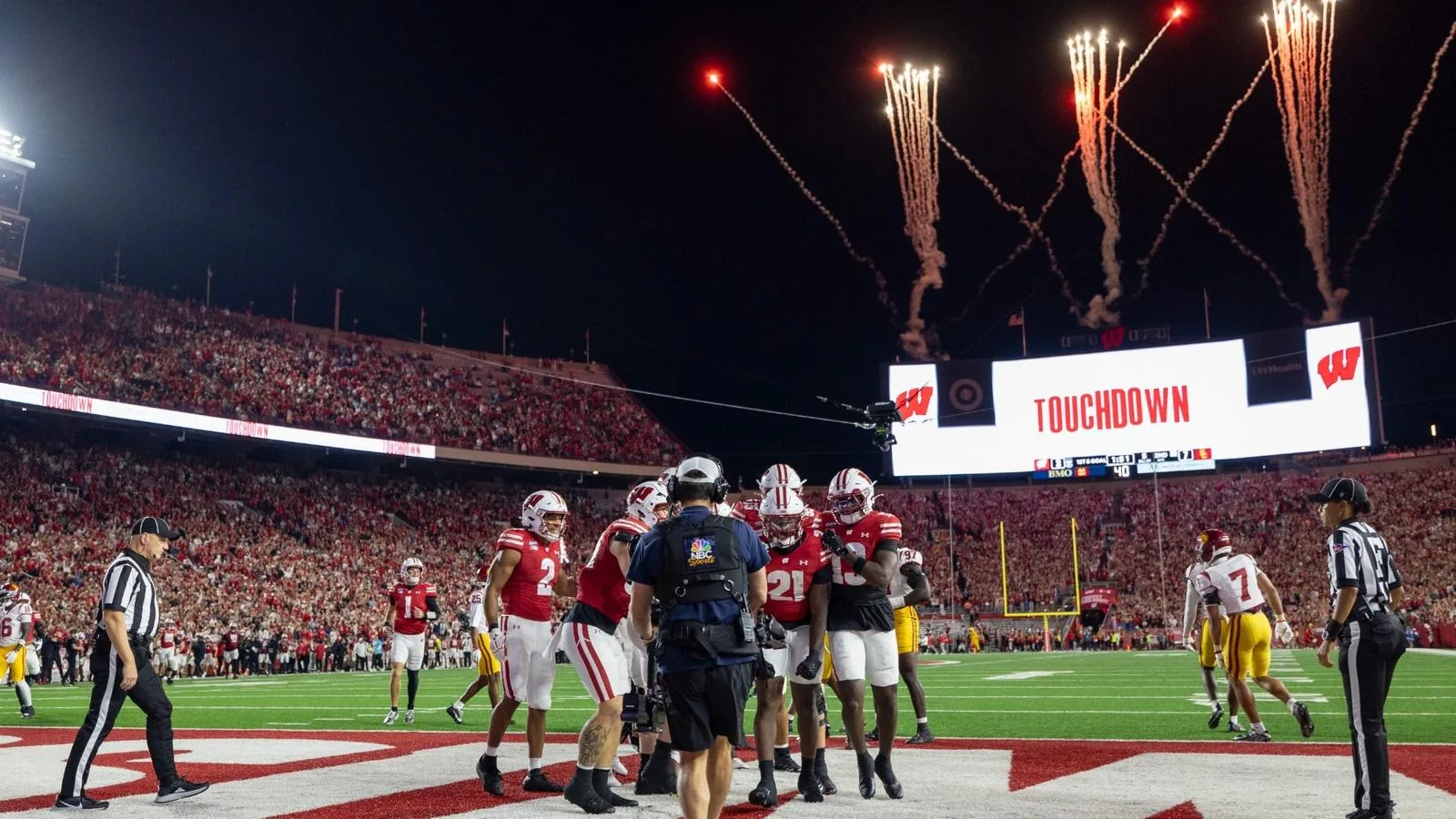
The Bruins are 5–0 and 3–0 in the Big Ten. Oregon is 3–2 and 1–1. Wisconsin remains 4–1 on its bye, preparing to visit UCLA next Saturday. Our teams will meet with the Bruins unbeaten and the Badgers rested. Anybody hoping for a quiet week of uncomplicated loyalties should begin adjusting expectations now.
The pregame report gave Oregon a narrow edge. UCLA supplied the better defensive argument and enough offense to make it count. That does not mean every concern before kickoff was foolish. The running game had difficult stretches and the offense left opportunities unfinished. It means the Bruins found a way to win through those problems rather than letting them become the entire explanation.
Seven takeaways, and every one mattered
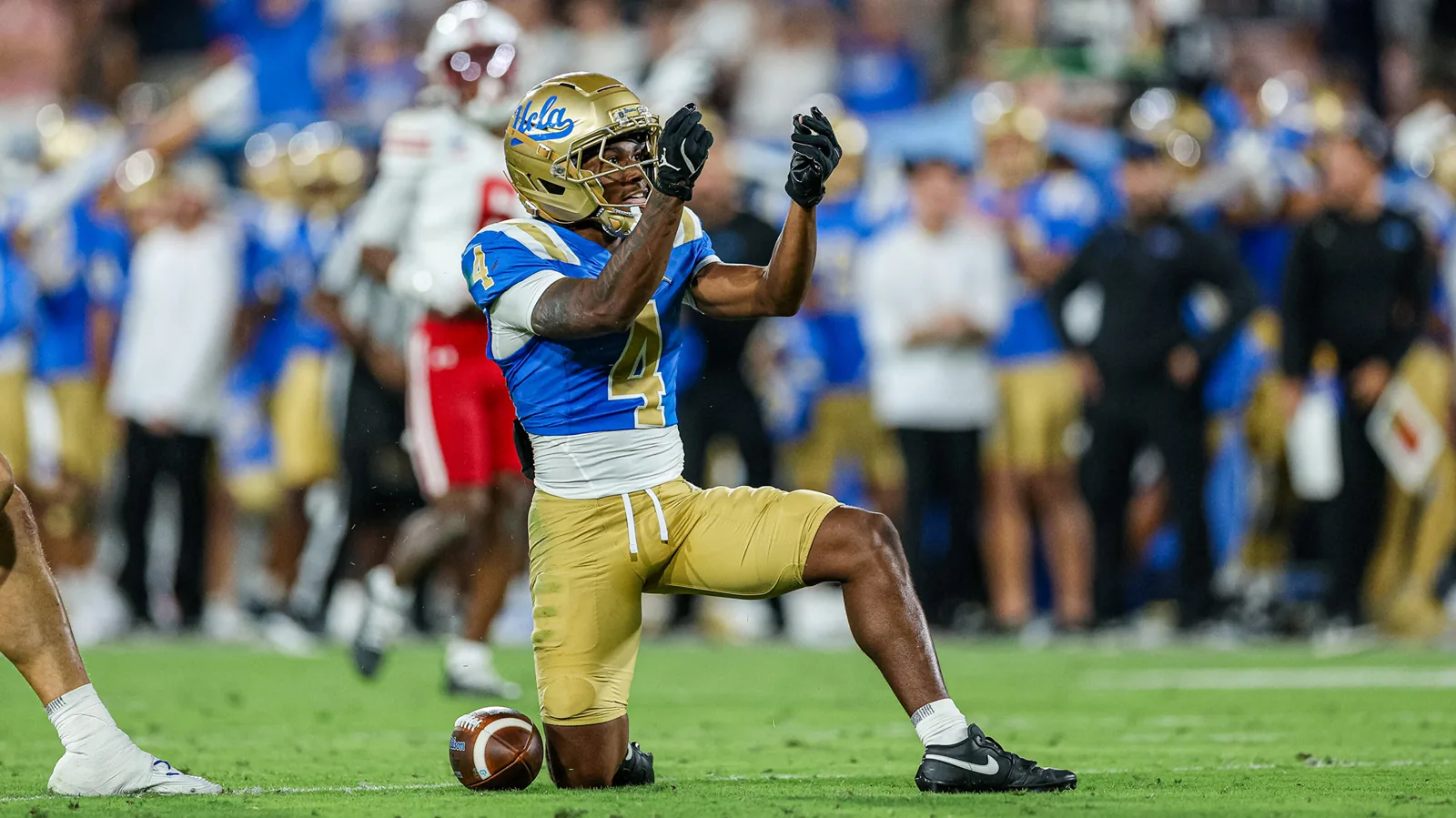
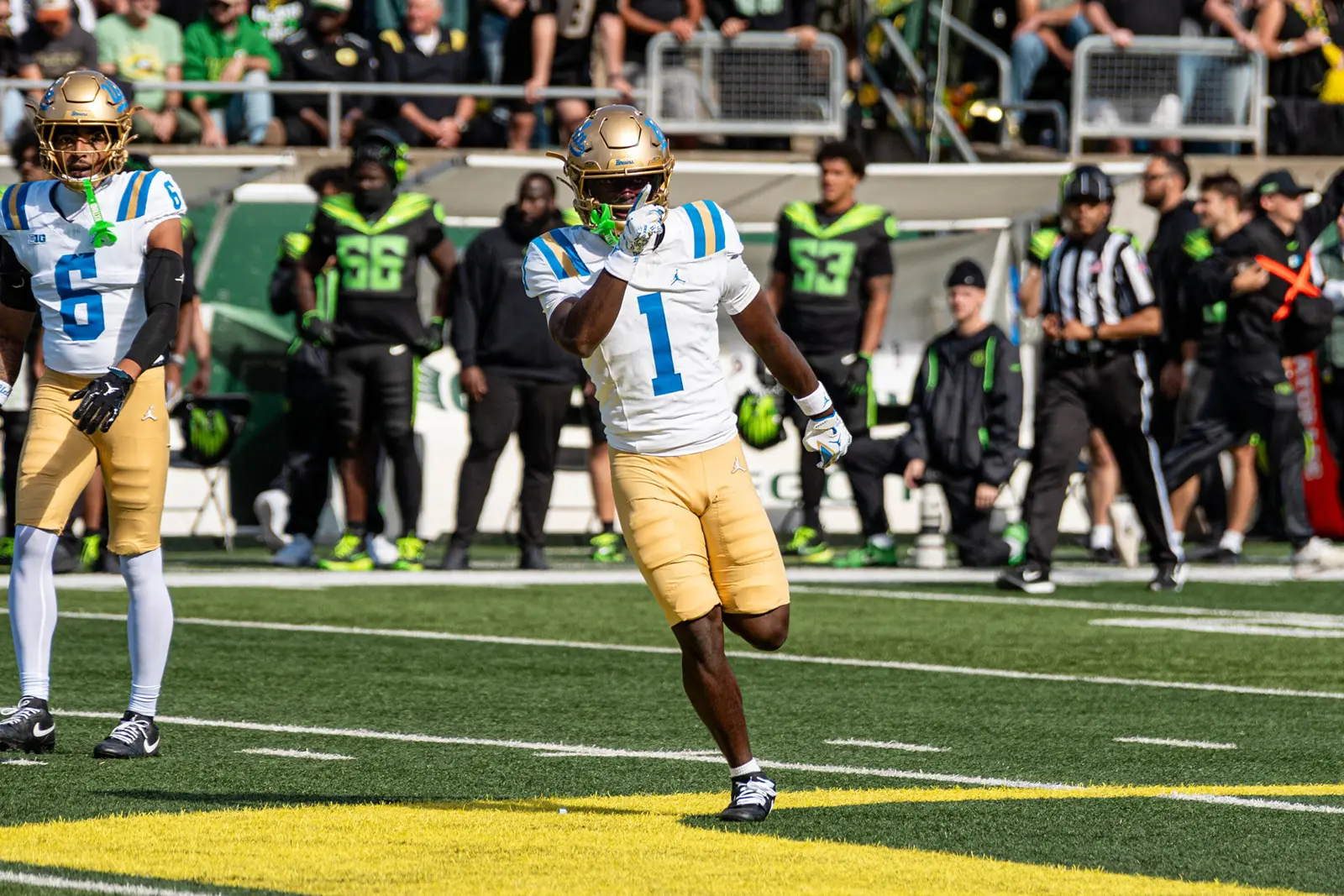
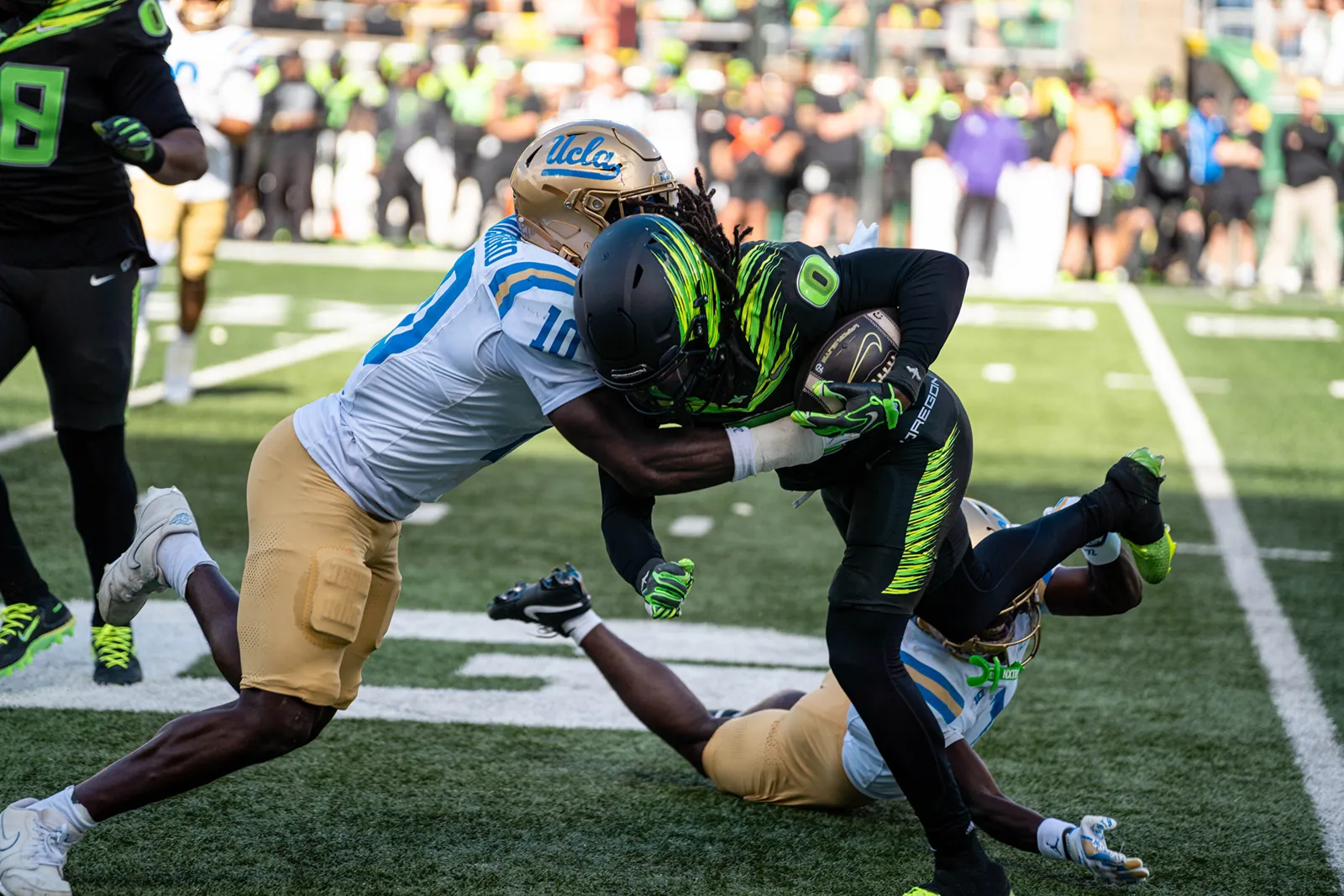
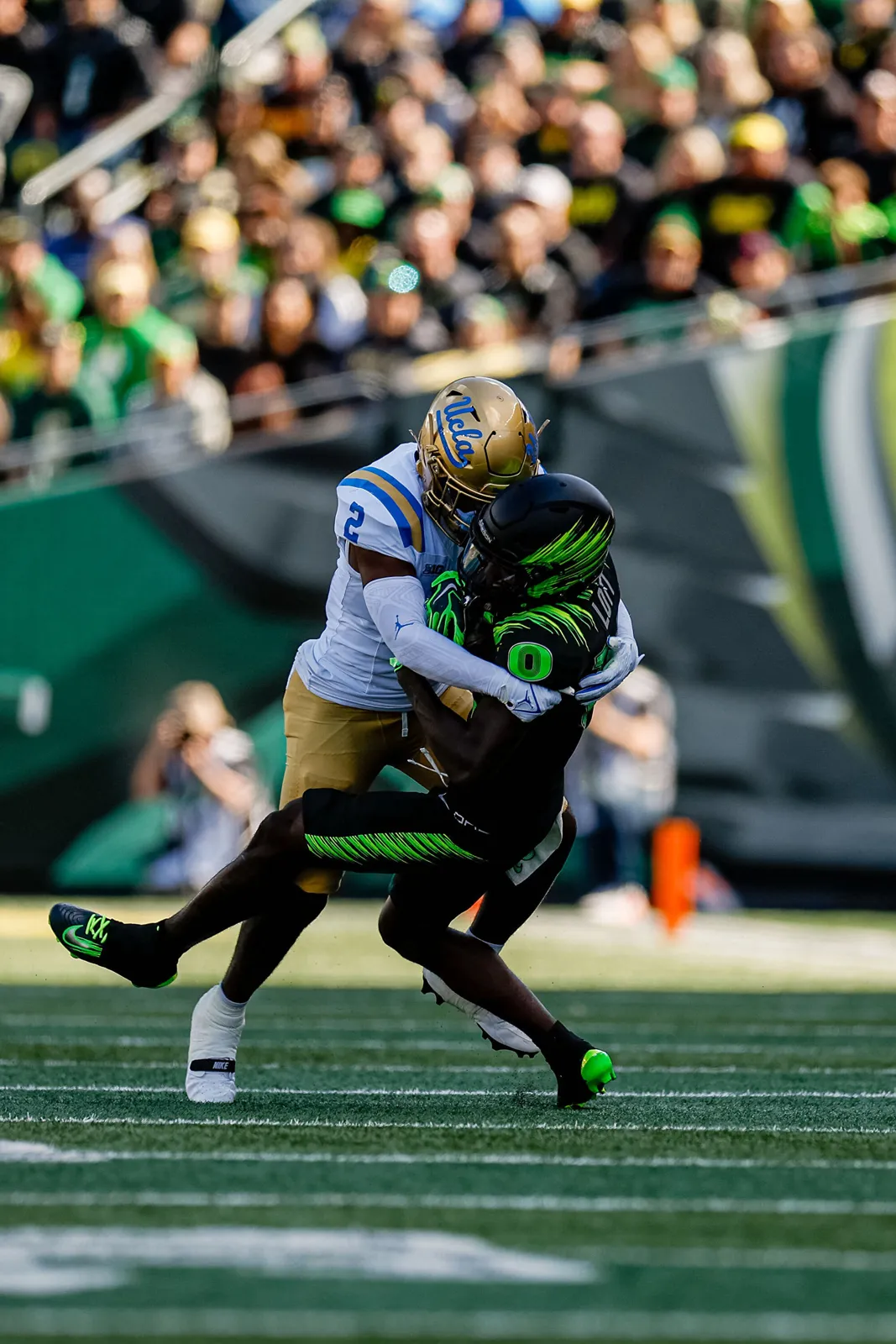
A defense can change a game by making an offense uncomfortable. UCLA went several steps further and repeatedly changed who owned the football. Five recovered fumbles and two interceptions gave the Bruins chances to escape difficult situations and begin new possessions. Seven takeaways is an extraordinary afternoon, even in a game where neither offense maintained a convincing relationship with tidiness.
There are two useful ways to read that number. One recognizes the pressure, pursuit, and awareness required to produce and collect mistakes. The other remembers that no sensible weekly plan begins by expecting seven additional possessions. UCLA deserves the credit for Saturday. Its next preparation meeting should still include an approach for a game in which the opponent is less accommodating.
The distinction matters because the final margin was two points. The takeaways did not turn the afternoon into a comfortable procession. They kept Oregon from establishing sustained control and gave UCLA chances its offense did not always maximize. A team can demonstrate defensive quality while also leaving itself an unnecessarily demanding finish. Both things happened here.
Credit the defenders who remained useful when a play became untidy. A ball on the ground asks a second question after the first collision. Somebody has to see it, arrive, and complete the recovery. Pursuit can look ordinary until the bounce suddenly makes it decisive. UCLA’s collective attention helped turn Oregon’s errors into actual changes of possession.
Knight kept the offense moving
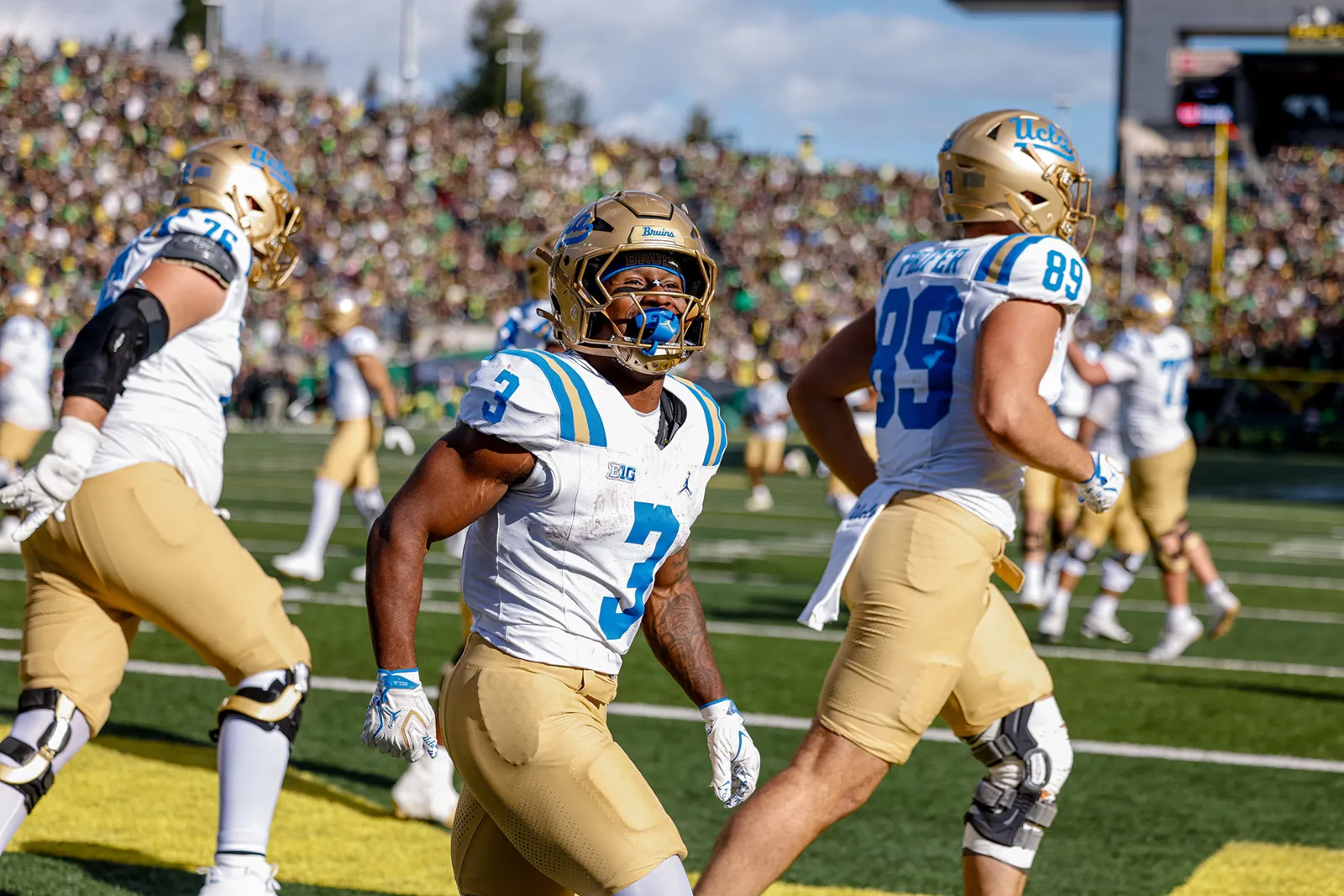
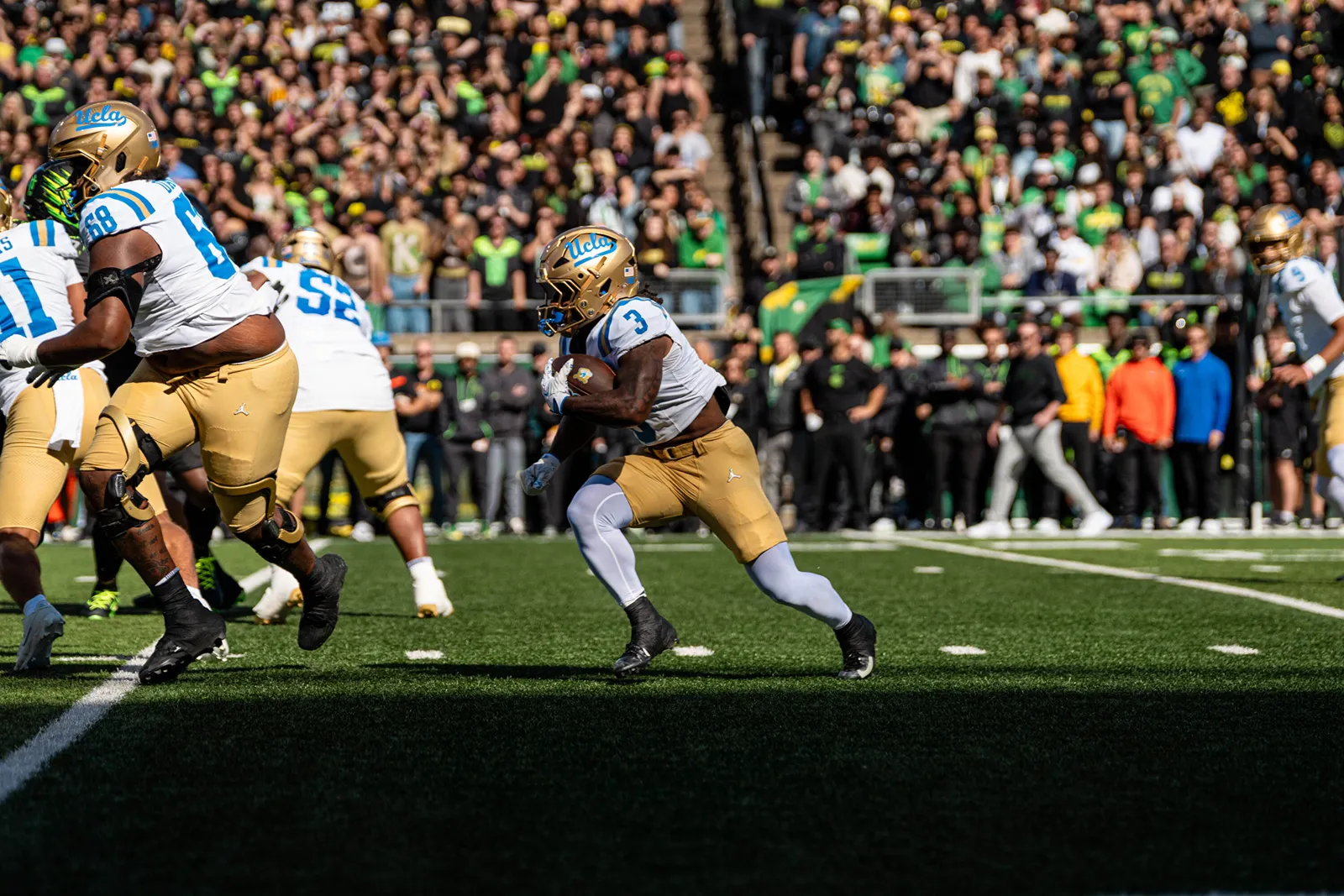
Wayne Knight rushed for 103 yards and scored both UCLA touchdowns, one on the ground and one through the air. Against a defense capable of making the running game difficult, his production supplied an essential connection between the opportunities UCLA received and the points it needed. The backfield did not dominate the entire afternoon. Knight still found moments that changed its direction.
His 35-yard touchdown run in the second quarter moved UCLA ahead 10–6. That is the sort of gain that makes patience look intelligent after several less rewarding carries. A running game does not have to win every snap to remain dangerous. It does need enough competent work around those attempts that one opening can become something larger than an encouraging replay.
UCLA finished with 140 rushing yards, well below the pace it brought into Eugene. Oregon deserves credit for that. The Ducks made the preferred offensive route difficult and kept the Bruins from treating their rushing reputation as a guaranteed service. The result was a game UCLA had to navigate, rather than simply impose itself upon from beginning to end.
That makes Knight’s two different scoring contributions especially useful. He was a runner who could change the field and a receiving option when UCLA needed to finish a shorter possession. Versatility becomes more than a scouting adjective when the team is adjusting to a different quarterback and trying to keep its available answers understandable.
The quarterback changed. The responsibility did not
Nico Iamaleava threw for 162 yards in the first half but did not return after halftime because of injury. Ty Dieffenbach took over and threw for 43 yards and a touchdown. Those are the facts available from the game. A Sunday-morning recap cannot responsibly turn an injury exit into a recovery timetable or decide what a later examination will establish.
The immediate football problem was substantial enough. UCLA had to operate on the road with a different quarterback while protecting a narrow lead. The next call needed to be executable by the players actually on the field. An offense in that situation benefits from clear decisions and useful support, rather than a demand that the replacement instantly reproduce everything the original plan contained.
Dieffenbach found Knight for a nine-yard touchdown early in the fourth quarter, putting UCLA ahead 17–6. The scoring drive covered 33 yards in six plays. It was the practical payoff the defense’s work required: a possession converted into points rather than another discussion about how helpful the field position had been.
That touchdown was not a complete answer about Dieffenbach’s future. It was an important answer to the question UCLA faced at that moment. Could the offense finish enough work with him directing it to give the defense room to protect the result? On that possession, it could. The Bruins needed a useful sequence, and they received one.
Oregon’s defense deserves an honest paragraph
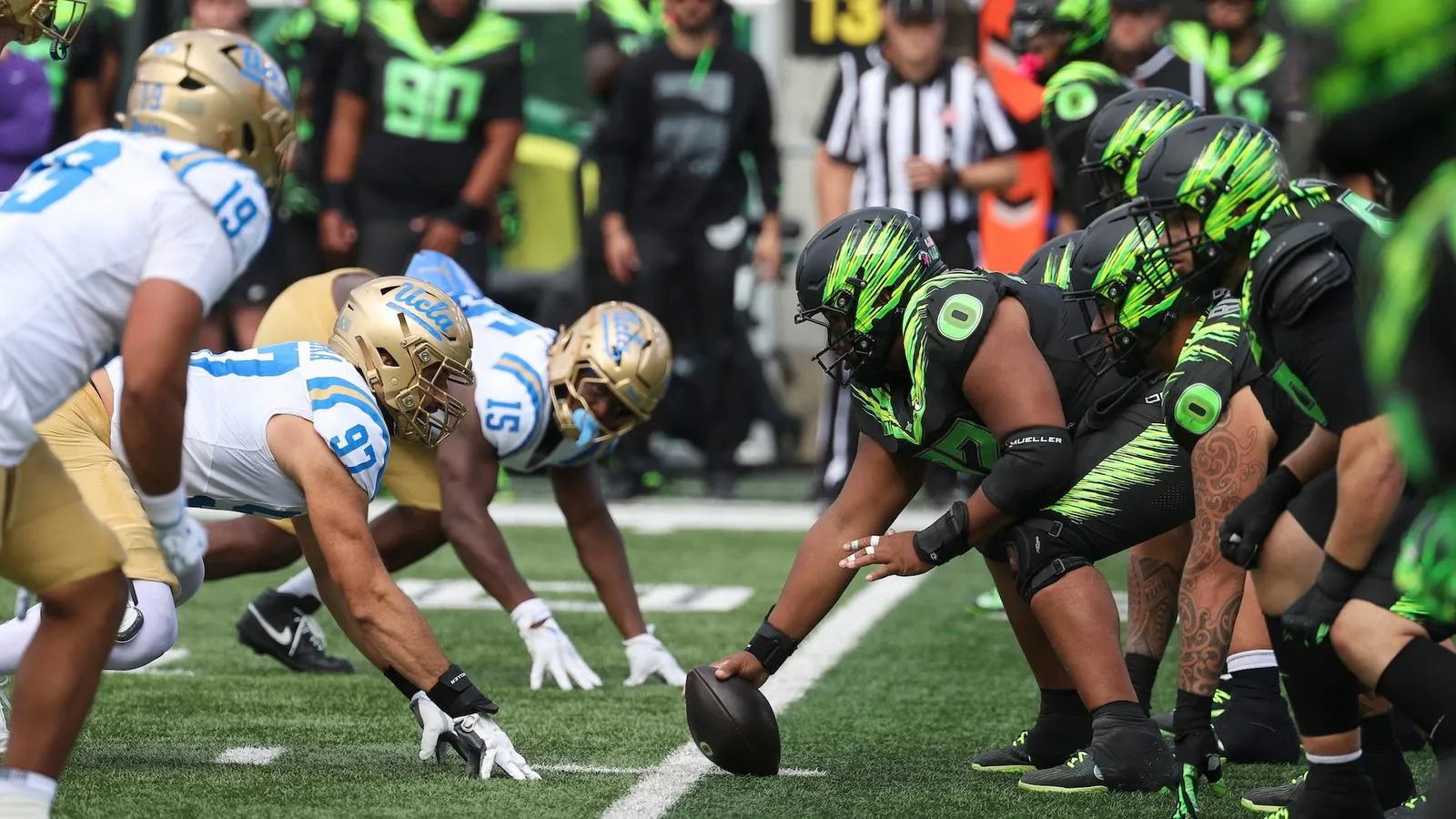
The Ducks forced three turnovers themselves and kept UCLA’s rushing production under control. Their special teams also blocked a field goal. There is a lazy version of this recap in which Oregon is reduced to seven mistakes and nothing else. It would explain the frustration, but it would not explain why the game remained alive so late.
Oregon’s defense kept creating reasons for its offense to try again. That is difficult work when possessions repeatedly end with the wrong team holding the ball. The home side did enough without possession to make a recovery possible. UCLA’s win is more meaningful when we recognize the resistance it overcame rather than pretending the Ducks supplied none.
For the Bruins, the lesson is equally practical. A takeaway creates an opportunity; it does not automatically enter points on the scoreboard. Better protection, cleaner decisions, and more productive finishes could have changed the closing minutes substantially. Winning gives UCLA an excellent setting for reviewing that work. It does not erase the need to review it.
The same goes for field position. A mistake near your own goal line can produce an opponent’s touchdown without requiring its offense to solve much at all. UCLA survived that sort of damage on Saturday. Future opponents may be less generous about returning control. The Bruins should enjoy the escape and remain interested in why they needed one.
The fourth quarter acquired opinions
Brock Thomas gave Oregon a different offensive rhythm after entering for the fourth quarter. He completed 11 of 15 passes for 156 yards and a touchdown. The Ducks finally created the sort of downfield movement that had been missing for much of the afternoon, and a game UCLA had pushed toward safety began moving back toward the visitors’ sideline.
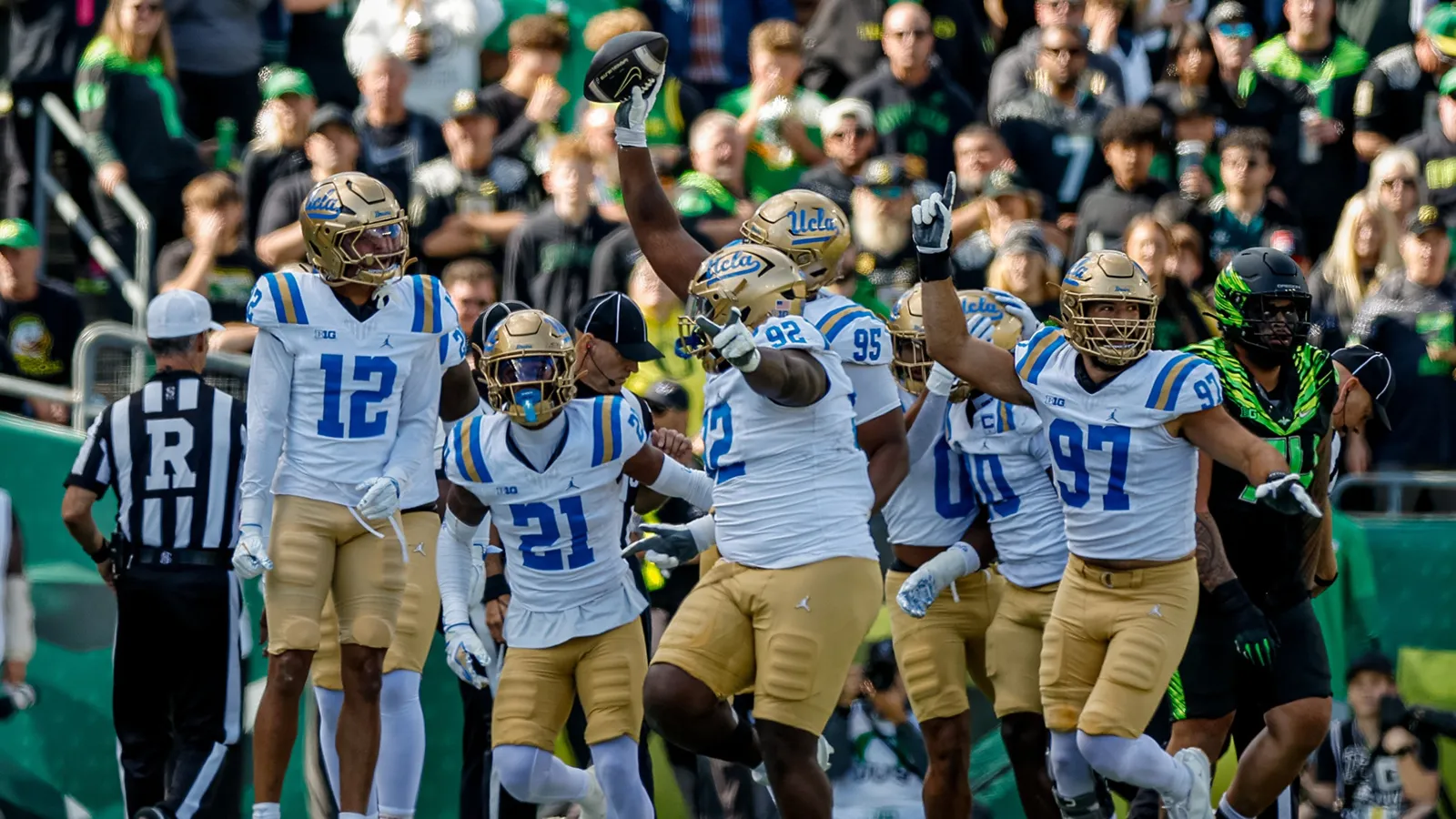
Oregon cut the deficit to 17–9 with a field goal. Then Thomas found Evan Stewart for a 44-yard touchdown with 2:16 remaining. Suddenly UCLA’s eleven-point advantage had become a two-point lead, and everybody who had begun thinking about the drive home was required to return to the immediate problem. Football remains remarkably good at reopening a meeting.
The conversion sequence gave Oregon an opportunity to tie. UCLA ultimately kept the Ducks out. The game still required the Bruins to finish the remaining time and survive Oregon’s final attempt, but the essential defensive responsibility had been completed. When two points would have changed the terms entirely, the defense preserved the lead.
It is possible to appreciate that stand without insisting the whole closing stretch was comfortable. Oregon had found passing production and made UCLA defend the width and depth of the field again. The Bruins had to respond to the game that was happening, rather than the one suggested by the earlier turnovers. That adjustment was part of earning the result.
What the numbers explain, and what they do not
Oregon converted one of twelve third downs and finished with 272 total yards. Those figures support the case for UCLA’s defensive performance. They show an offense that struggled to sustain its work for long stretches. They do not eliminate the late completions or make the final two-point margin an optical illusion. A defense can win most of an afternoon and still face a decisive final assignment.
The turnovers also require context when judging the offense. UCLA received repeated opportunities but still scored seventeen points. That is enough to win when the defense allows fifteen, and insufficient evidence that every offensive concern has been solved. The useful evaluation identifies where possessions stalled and what support the quarterback needed, not merely whether the final column contains a victory.
For Chesney, the encouraging part is that the team stayed functional through a difficult road environment and an unplanned personnel change. That is evidence of preparation and resilience. The unfinished part is the amount of disorder UCLA had to survive. A stronger team does not need to choose between enjoying the first and correcting the second.
For players, those can be separate conversations. Celebrate the recovery. Study the missed opportunity. Appreciate the touchdown. Repair the communication that made another possession harder. College football often asks a single adjective to describe an entire Saturday. This one requires several, including a few the coaching staff may prefer to keep inside the film room.
Wisconsin watched. Now the arrangement gets complicated
The Badgers had no game to win or lose this weekend. Their bye followed the 31–3 victory over Michigan State, leaving them 4–1 before the trip to Pasadena. Rest does not guarantee execution, but it provides time to prepare for a UCLA team that has now demonstrated it can survive a difficult afternoon away from home.
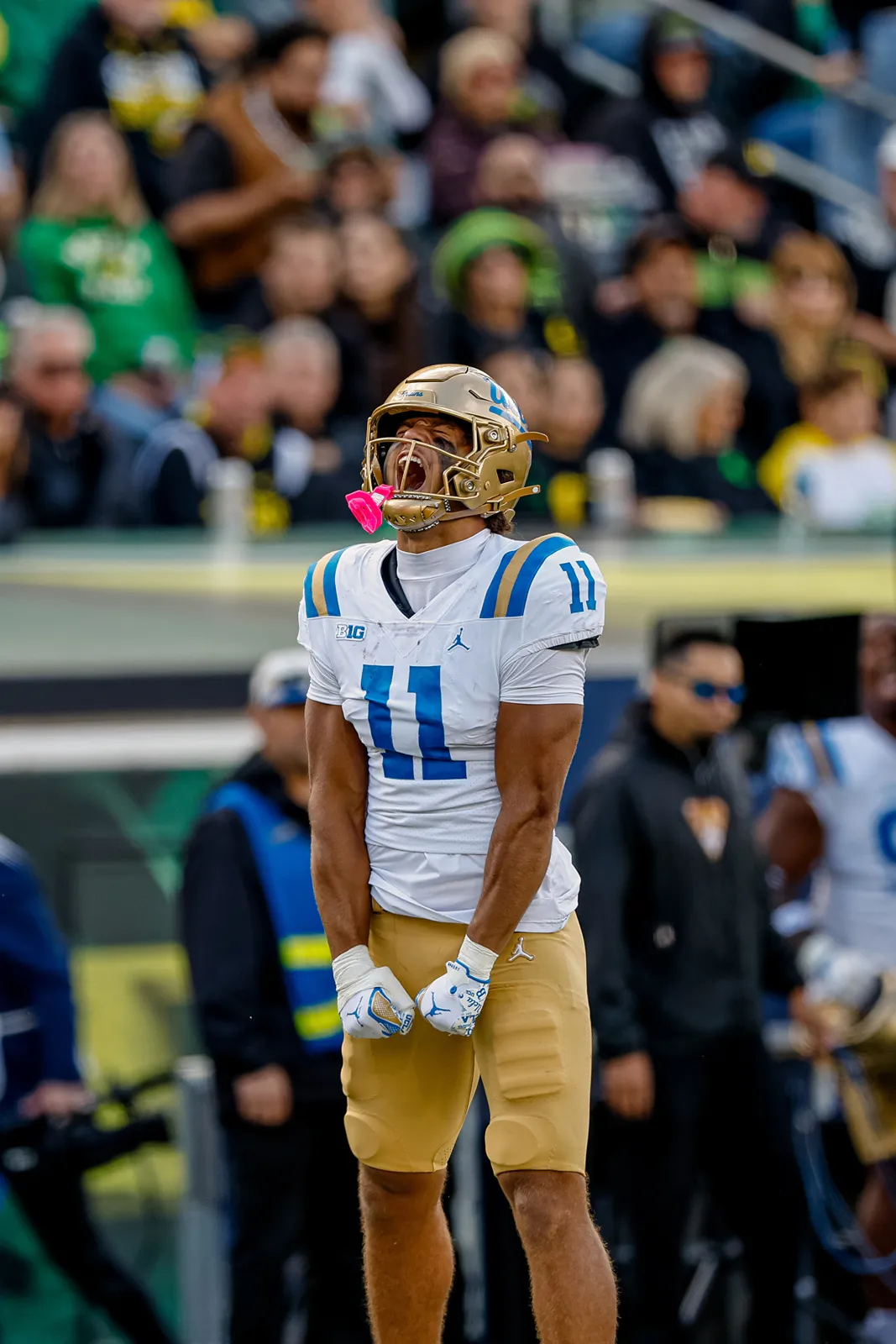
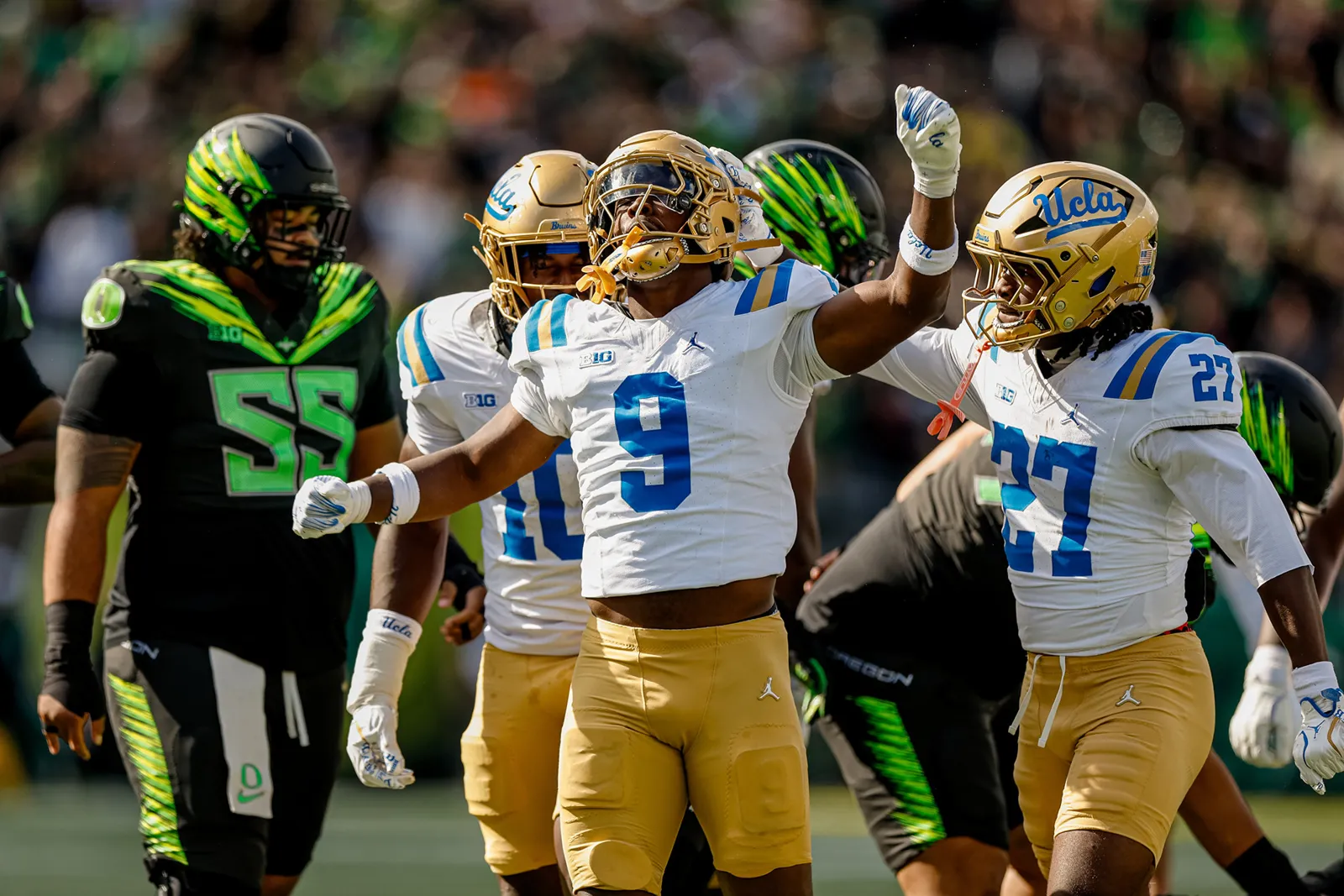
Wisconsin should study the Bruins’ defense with particular care. Ball security, protection, and decisions under pressure will matter. Joseph’s ability to create with his legs remains valuable, but the offense needs enough dependable work around him that every difficult down does not become his personal obstacle course. UCLA’s pursuit will ask questions of the whole group.
The Bruins, meanwhile, need to establish what their quarterback situation permits and build the next plan around verified availability. There is no benefit in guessing a medical conclusion on Sunday morning. The staff can prepare options while the information develops. Fans can allow that process to happen without declaring a complete offensive identity before breakfast.
UCLA leaves Eugene unbeaten, with a road win that deserves to be remembered for more than its untidy edges. Wisconsin comes off its bye with a direct opportunity to test that unbeaten record. Our two teams are about to stop being separate Saturday projects. Enjoy this morning’s congratulations. Next week the breakfast table may require a seating chart. Go Bruins. On, Wisconsin.