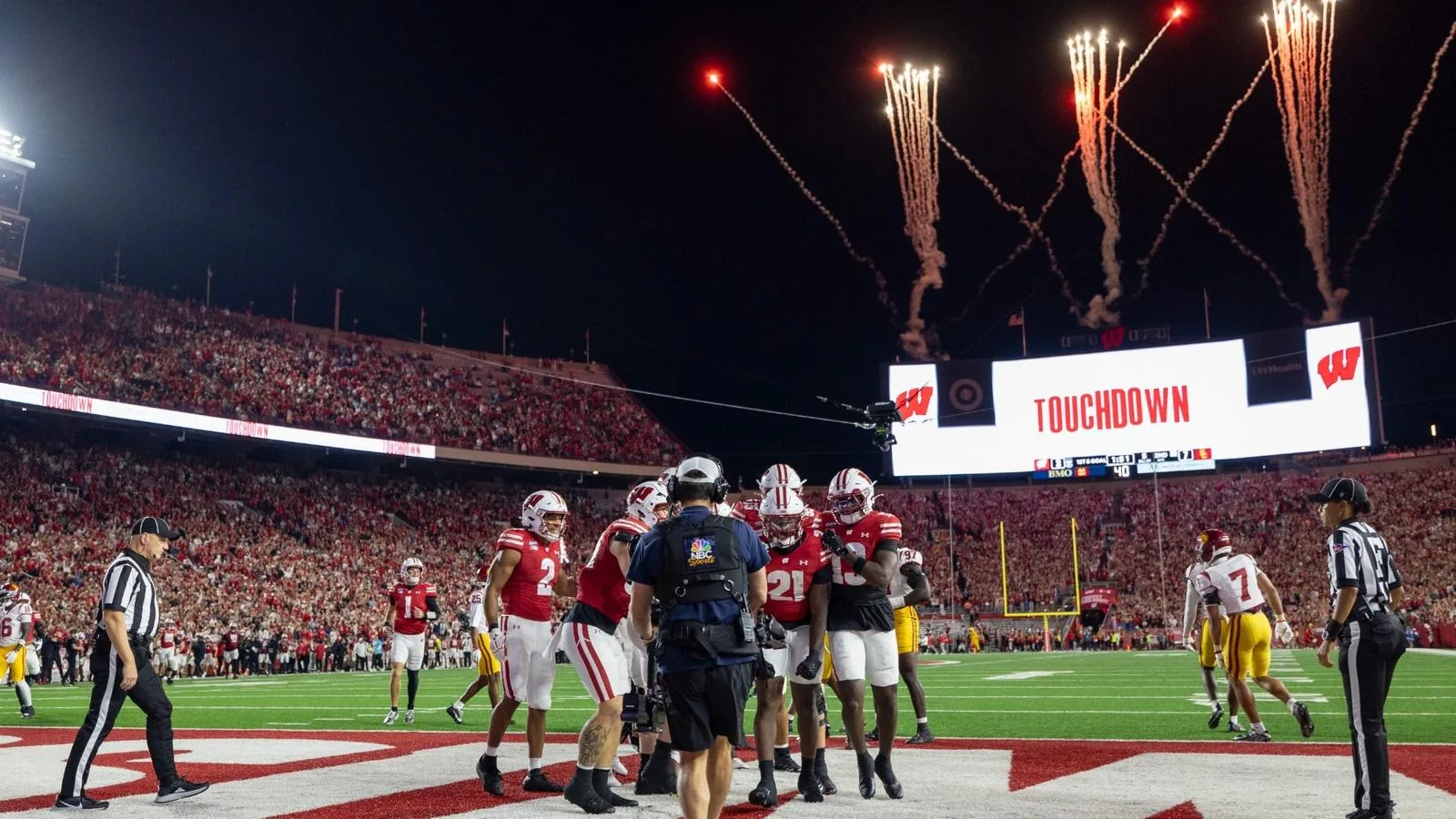
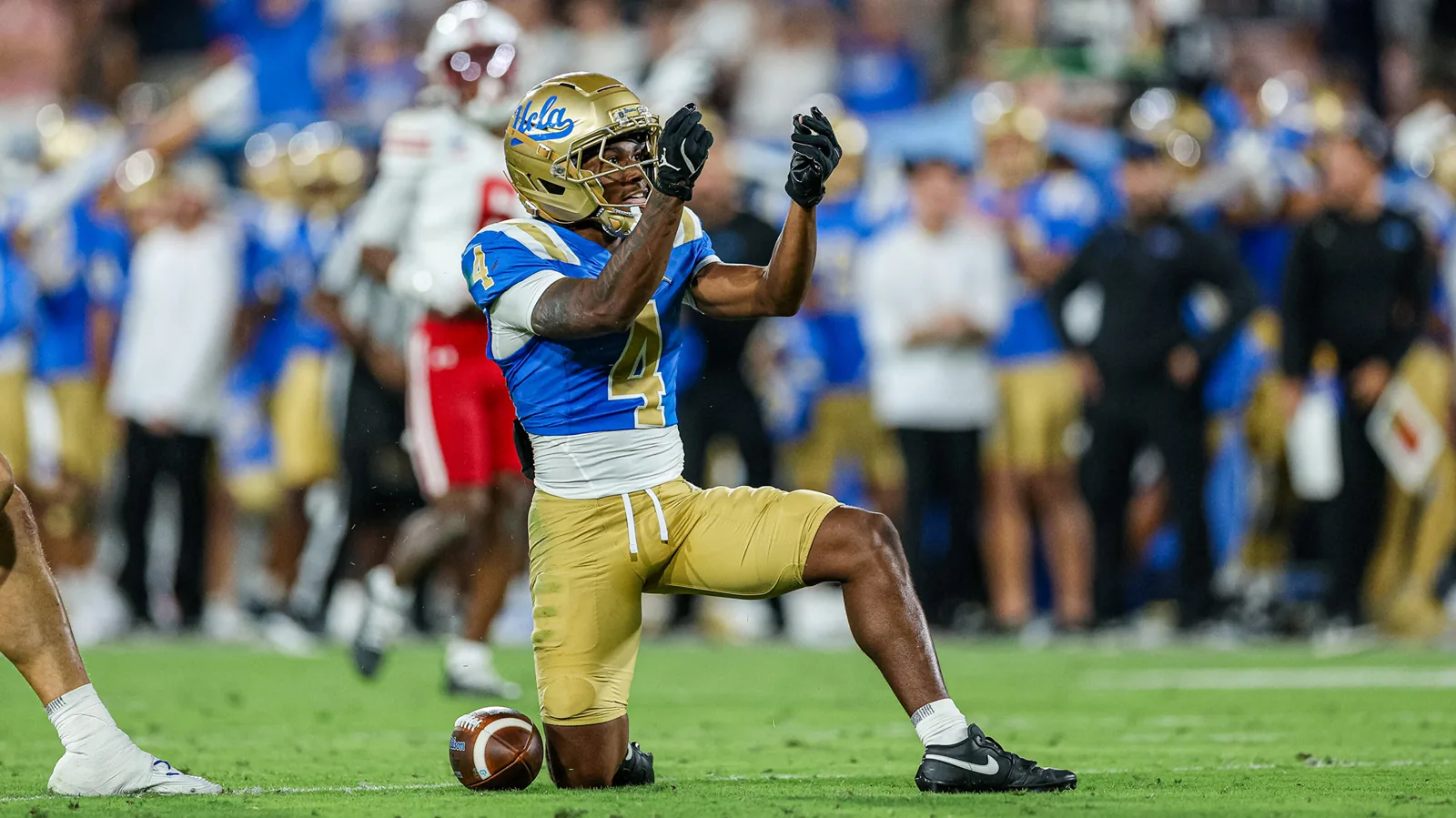
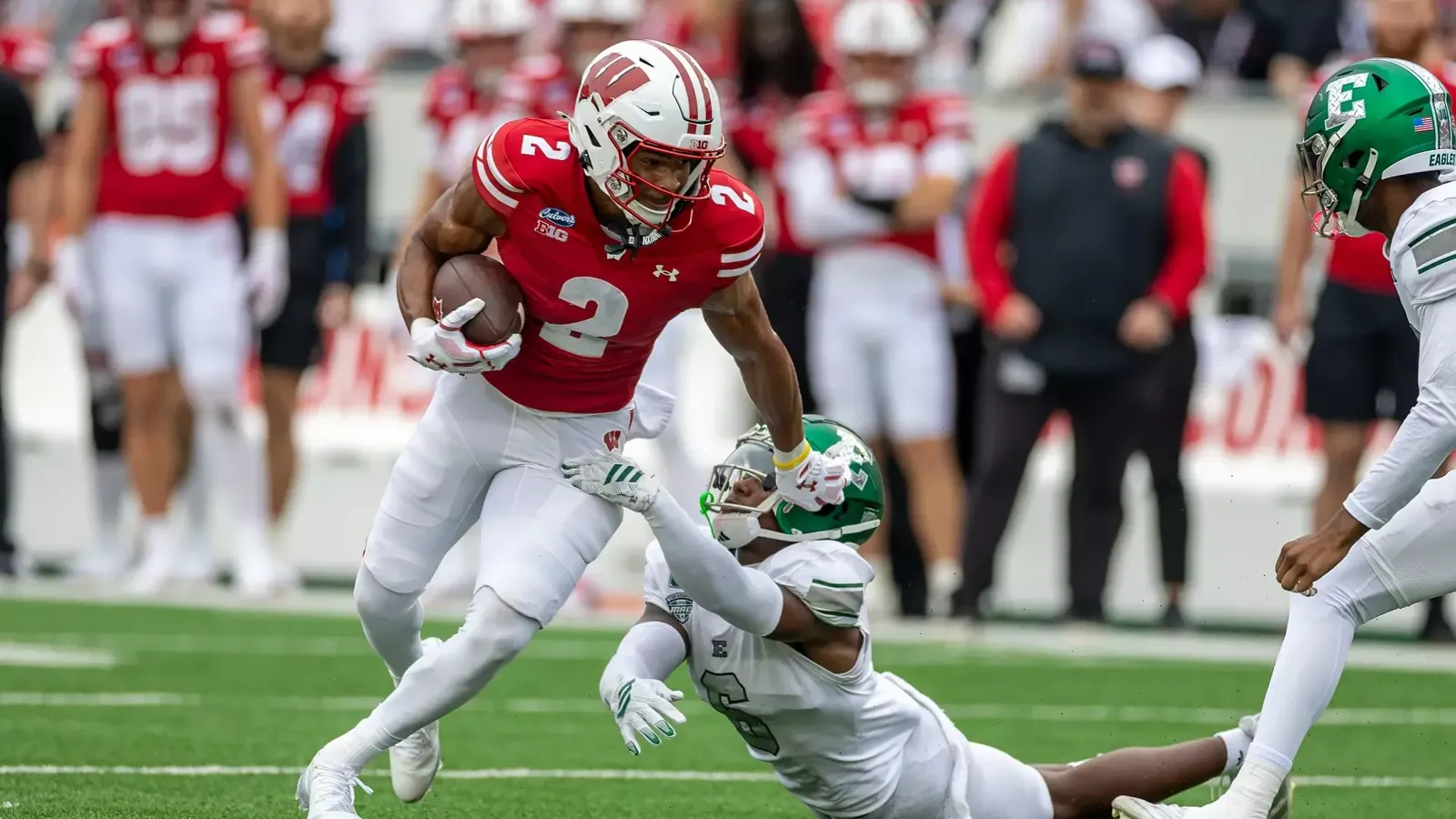
 PRE-GAME
UCLA BRUINS + WISCONSIN BADGERS
Homecoming would prefer to skip the rescue mission
Wisconsin brings the belief home from Penn State. Michigan State brings questions. Camp Randall would appreciate some early answers.
Listen to Repinkee Sports on Apple Podcasts Wisconsin3–1
 Michigan State2–2
9:30 AM PT / 11:30 AM CT · BTN
Camp Randall · Madison
 UCLA4–0
BYE WEEK
Next: at Oregon · October 10
Wisconsin has spent the week enjoying a comeback that gave everybody permission to believe again. Now comes the less glamorous assignment: playing well before a rescue becomes necessary. Michigan State visits Camp Randall for Homecoming, and the Badgers would appreciate an afternoon that does not require the audience to practice emergency breathing techniques.
Wisconsin enters 3–1 and 1–0 in the Big Ten. The Spartans are 2–2 and looking for their first conference victory. Kickoff is scheduled for 11:30 Central, 9:30 Pacific, on Big Ten Network. Breakfast has been promoted from a pleasant pregame activity to a strategic necessity. UCLA has the weekend off at 4–0, with Oregon waiting next Saturday.
The Badgers earned their confidence at Penn State. They came back from seventeen points down and won 24–20, a result that matters without settling every question about the offense. Today asks whether Wisconsin can carry the useful parts home: the willingness to respond, the ability to create an explosive play, and enough collective discipline to make the ordinary possessions less exhausting.
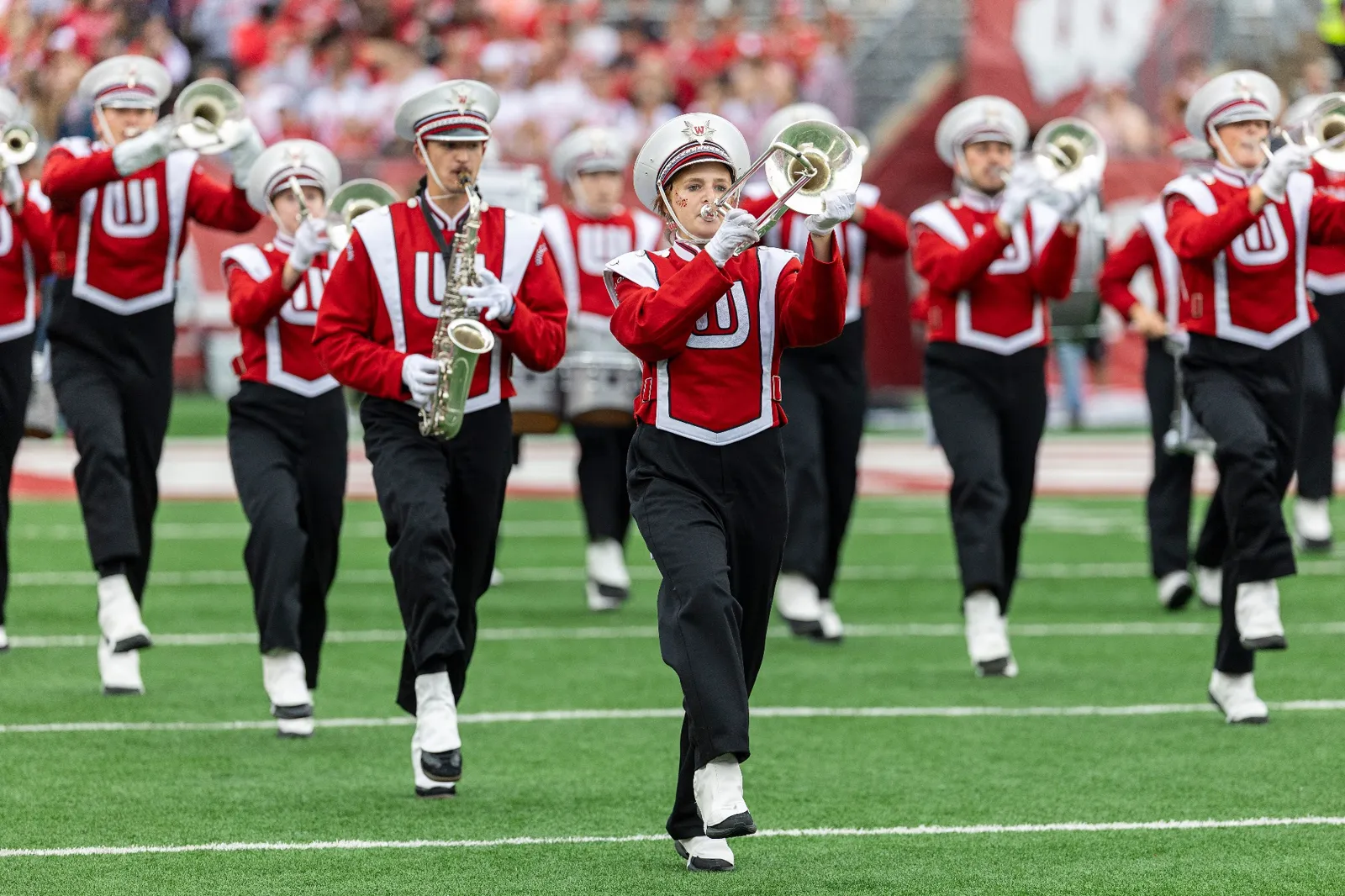
Enjoy the comeback. Avoid needing another one
The danger after a dramatic win is treating the drama as evidence of an ideal method. Wisconsin does not need to fall behind to demonstrate character. It needs to give its offense a manageable next down, its defense a reasonable field to protect, and its supporters some evidence that the television can remain at a conversational volume.
That begins with the opening possessions. A useful first-down completion can make the running game easier to call. A sensible run can preserve the option to throw. An avoidable penalty can remove both advantages before the opponent has done anything particularly clever. The early objective should be control through execution, rather than a grand statement that requires everything to work at once.
Michigan State has lost its last two games, including a 31–13 defeat against Nebraska. That makes the Spartans an opponent with problems to solve, not a team obligated to help Wisconsin celebrate Homecoming. A visitor that stays close can find confidence quickly when the favorite starts supplying reasons to doubt itself. The Badgers should make the opponent earn its comfort.
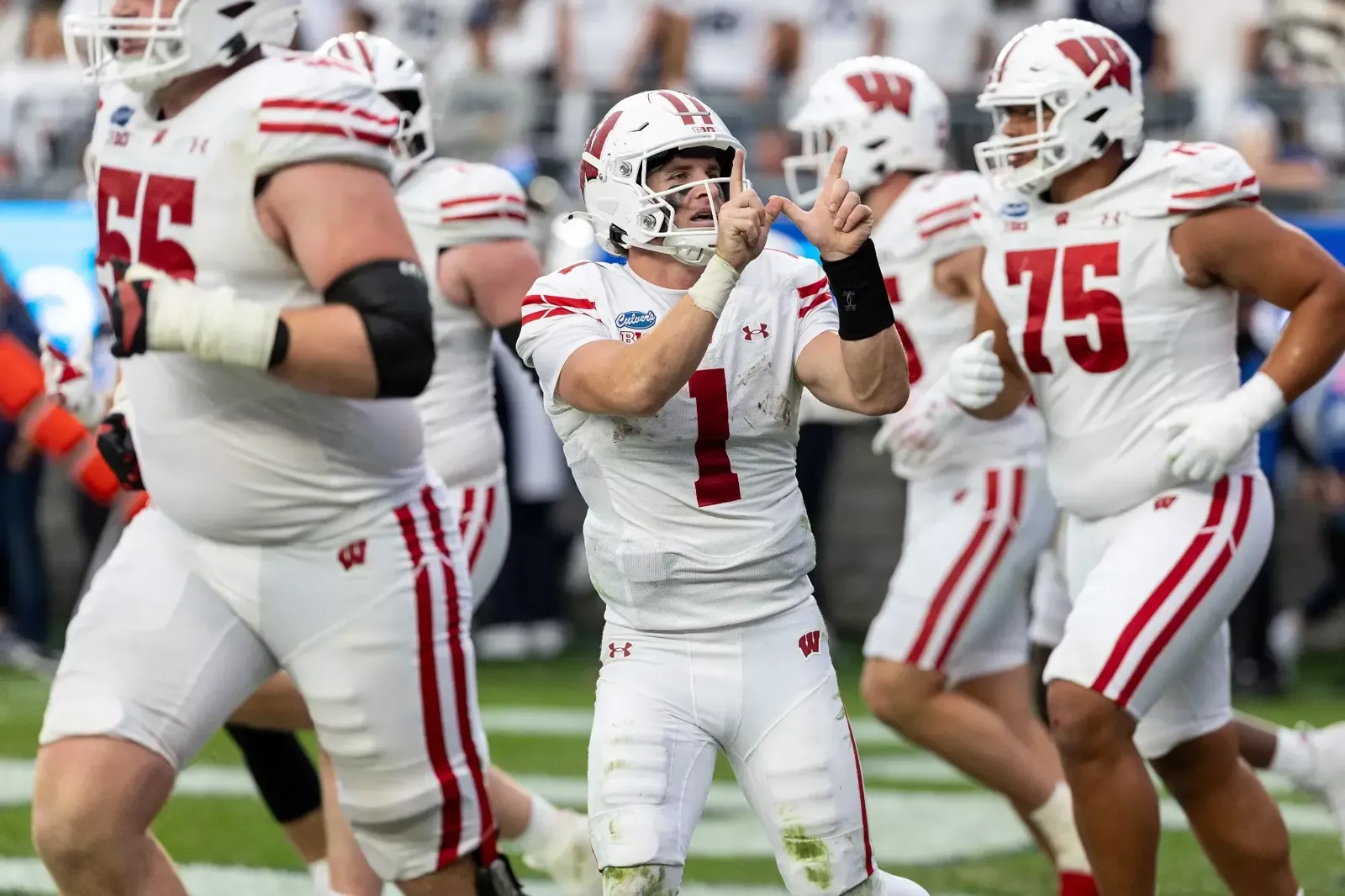
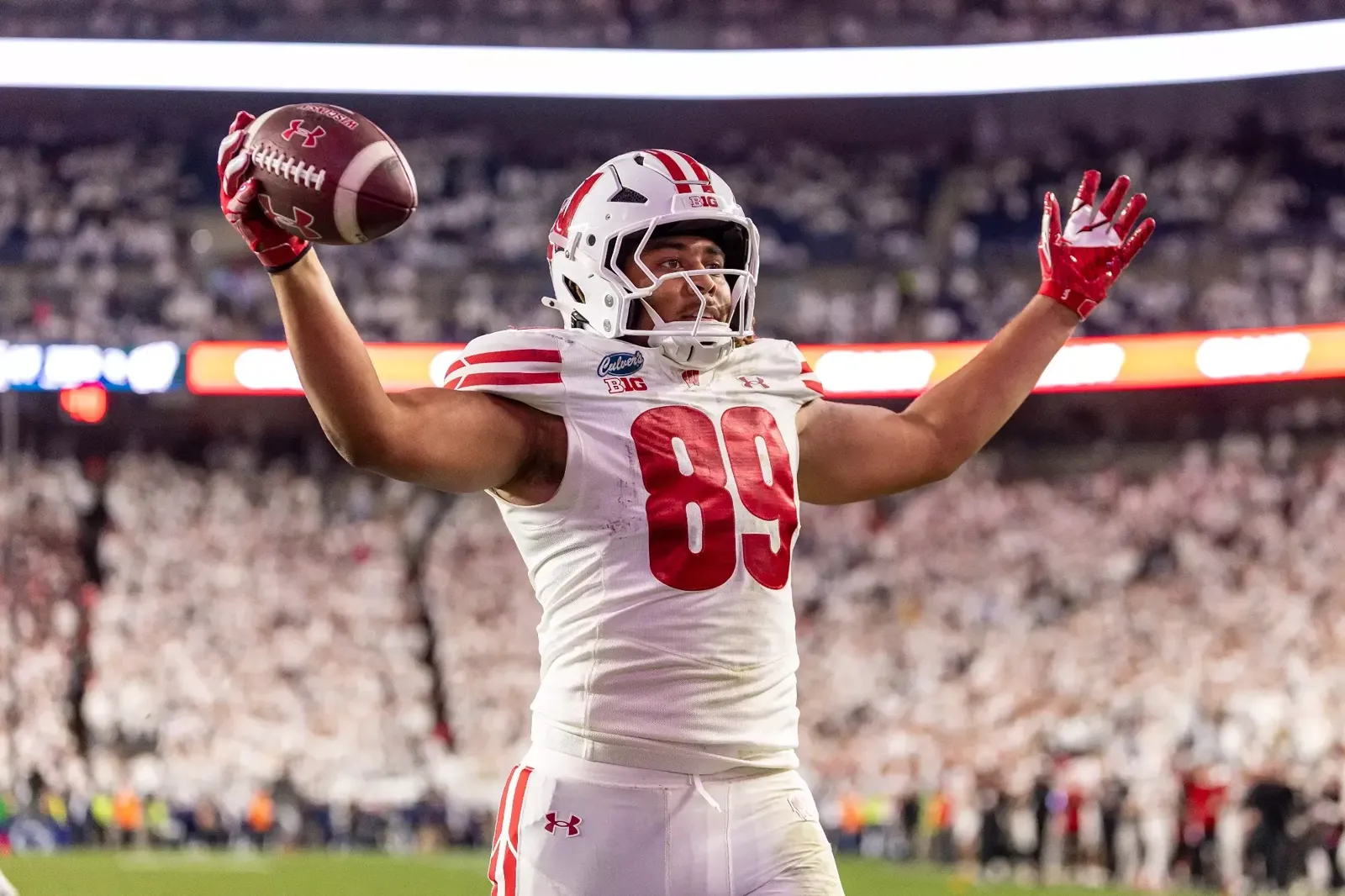
For Luke Fickell’s team, the practical standard is recognizable football. Get the right people lined up. Deliver the ball when the route is ready. Finish the tackle. None of those ideas will sell a motivational poster, which is a useful indication that they may actually help on third down.
Let Joseph create, without making creation compulsory
Colton Joseph can change a possession with his legs. That gives Wisconsin an answer when the defense has accounted for the original play and still has to tackle the quarterback. It can also create a temptation to let mobility become the answer to everything. An offense should use that resource deliberately, rather than wait for the quarterback to repair a difficult situation personally.
I want to see running opportunities that belong to the design. Make a defender choose between the quarterback and another threat, then give Joseph a clear response to that choice. A well-timed keeper can exploit hesitation. A passing option behind a linebacker stepping toward the line can make the same hesitation useful in a different way. The defense should have to defend a decision.
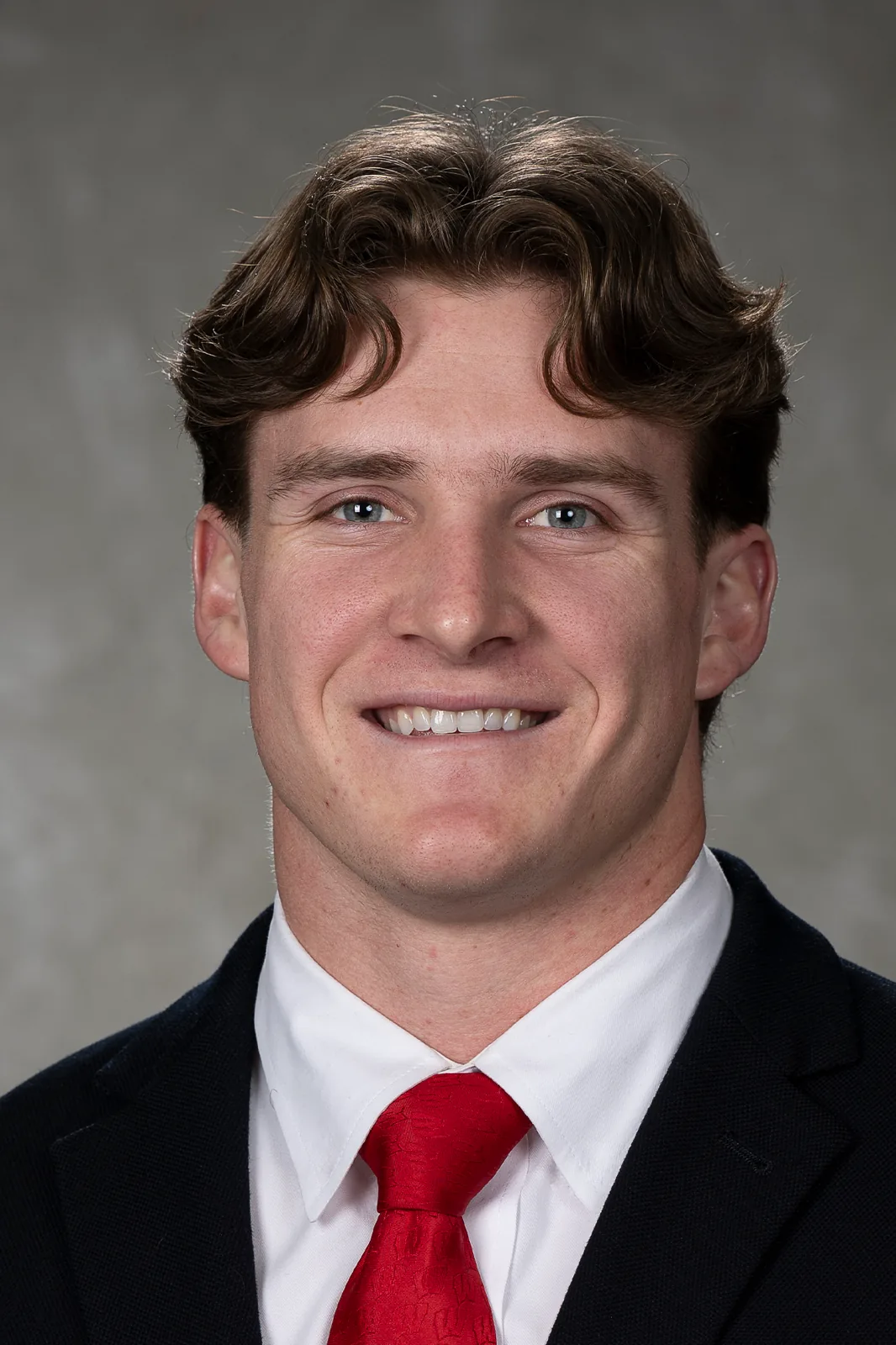
The passing game still needs a dependable middle. Joseph’s ability to produce a big play is valuable, but Wisconsin cannot expect every drive to be sustained by an exceptional one. A completion delivered on time can keep the whole operation open. An ambitious throw that misses may leave the next call requiring more protection, more precision, and more cooperation from the opponent.
That is shared responsibility. The protection must keep the timing viable. Receivers must arrive where the quarterback expects and complete the catch. Joseph must accept the available answer rather than wait indefinitely for a better one. An offense is difficult enough without each participant attempting a slightly different version of the assignment.
Harris gives the defense another conversation
Jacob Harris was central to the Penn State finish. The tight end had five catches for 105 yards, including the long touchdown that put Wisconsin ahead late. The interesting question today is how that threat changes Michigan State’s choices. A defense that steps toward Joseph cannot also occupy every useful space behind him.
Wisconsin should look for ways to make Harris part of that conflict. Play-action can encourage a linebacker to lean forward. Motion can clarify a coverage responsibility. A route can begin by resembling something the defense has already been asked to stop. The point is not complexity for its own sake. It is a target the quarterback can recognize before pressure makes the picture untidy.
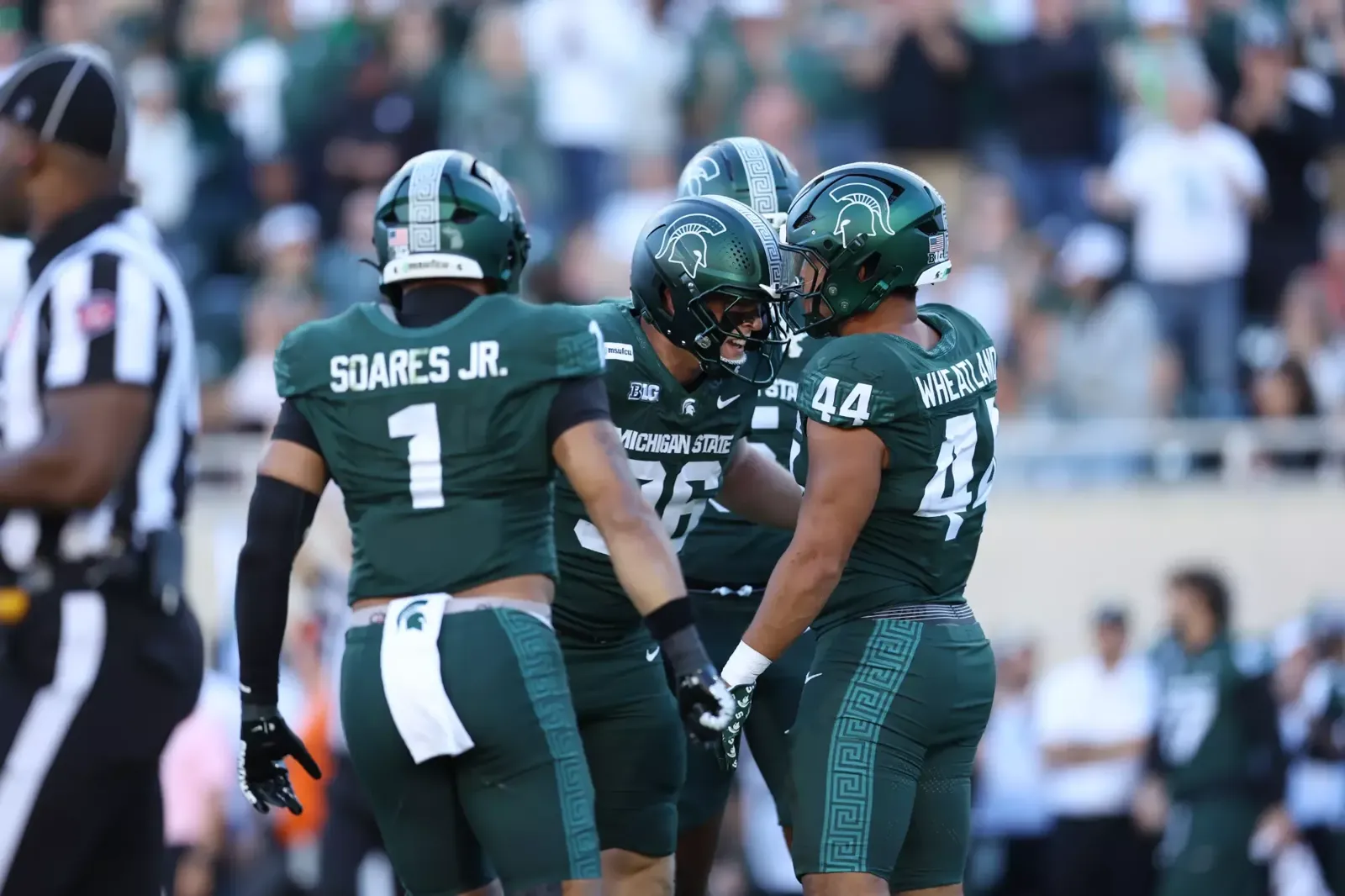
Tyrell Henry supplies another established option. Michigan State knows the former Spartan, but familiarity does not eliminate the need to cover him. If Wisconsin can distribute completions across its receiving options, the defense has fewer opportunities to organize itself around one anticipated solution. There is nothing wrong with returning to a productive matchup. There is something wrong with announcing it before every snap.
The running backs matter in that distribution, too. A useful carry or a secure outlet catch can prevent a possession from becoming an extended examination of the quarterback. Wisconsin needs production around Joseph that makes his best qualities more dangerous. It should not require him to become the entire transportation department merely because he owns a reliable pair of legs.
Michigan State’s adjustment is real
Pat Fitzgerald announced this week that running back Cam Edwards would miss the remainder of the season after his injury against Nebraska. That is the coach’s reported designation, and it changes the visitors’ available personnel. It does not remove the rest of the running game or give Wisconsin permission to tackle carelessly.
For the Badgers, the task remains preserving the shape of the defense. A runner looking for a cutback should find a defender still responsible for it. A quarterback extending a play should not cause the secondary to abandon the receiver continuing downfield. The first good action needs help from the second. Otherwise, an apparently promising snap becomes a considerably longer afternoon.
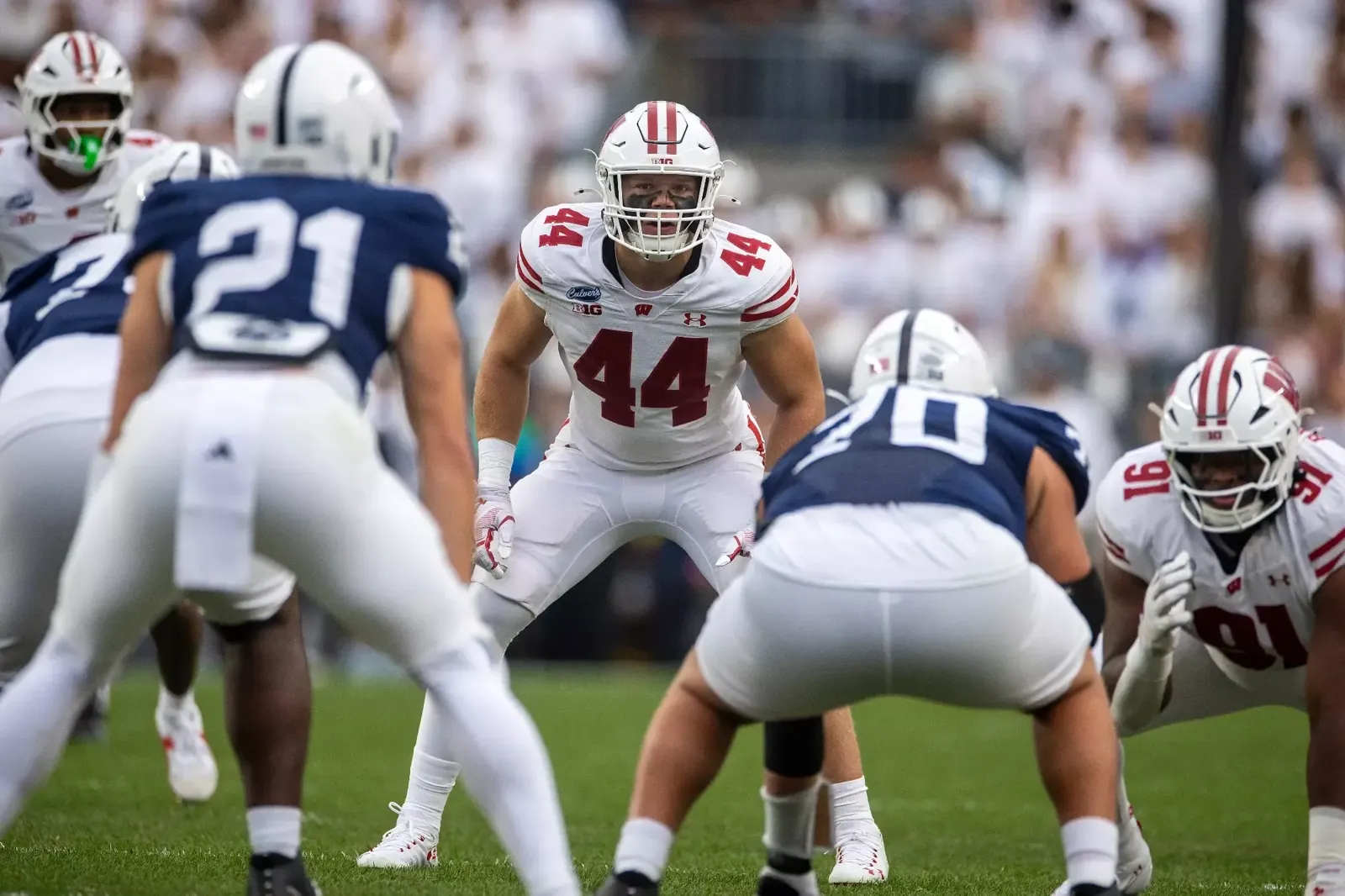
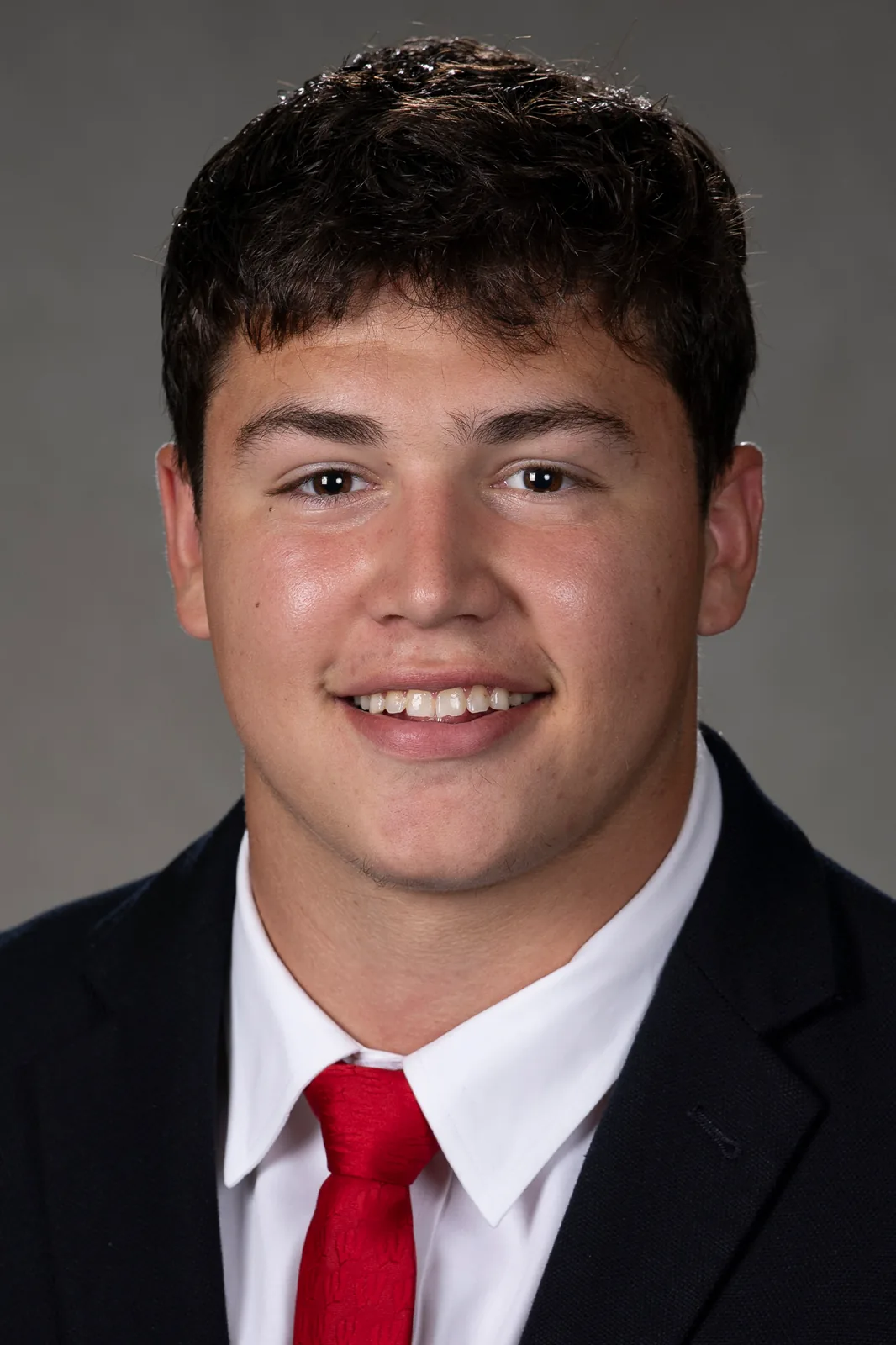
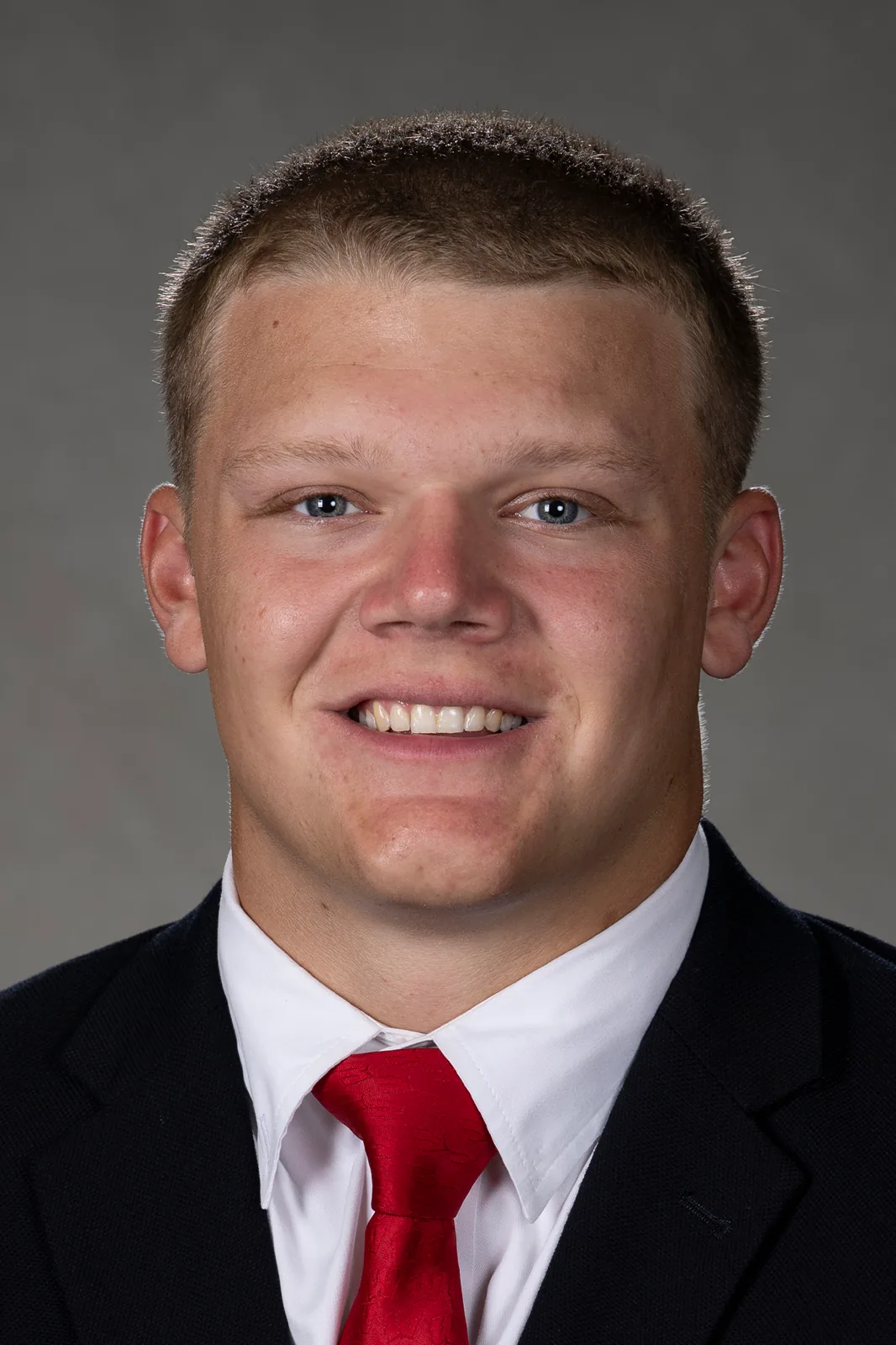
Cooper Catalano and Mason Posa are worth watching in that work. A linebacker can arrive quickly and still arrive at the wrong angle. Patience can keep a modest opening modest; overcommitment can improve the runner’s choices. Wisconsin should aim to make Michigan State execute another snap, rather than provide the escape that turns one missed assignment into an entire possession.
Pressure should have a purpose as well. Making the quarterback reset can help coverage. Racing past him while opening a clear running lane may simply improve the television picture. The Badgers need disruption that remains connected to pursuit, with somebody ready to finish after the first defender changes the play.
Third down needs an ending
The most satisfying defensive series is often less spectacular than the highlight package suggests. A useful first-down tackle creates a difficult second down. Coverage removes an easy throw. A third-down stop gives the offense another possession. Each piece helps the next one, and none requires somebody to supply a memorable individual celebration.
Michigan State will try to keep its calls available rather than spend the afternoon in obvious passing situations. Wisconsin’s defense can make that difficult by limiting the ordinary gains. That means tackling through contact and remaining disciplined when formations move. Recognizing the play is only useful if the defender still completes the responsibility attached to the recognition.
If the Spartans keep a drive alive, the Badgers need a response rather than an argument about how close the previous stop was. A defense can lose concentration by continuing to celebrate a play that did not actually end the possession. The sideline will have plenty of time to enjoy itself after the punt team arrives.
Wisconsin’s offense should hear the same message in reverse. A manageable third down is an opportunity to complete the work. A dropped catch or a late protection problem can undo two competent snaps. Sustaining a drive is a collective habit, and habits are built through repetition rather than one especially persuasive fourth-quarter speech.
Homecoming supplies the setting, not the result
Camp Randall will have the people, colors, and familiar rituals that make a college Saturday feel like more than a scheduled athletic transaction. For alumni returning to Madison, the place carries memories that do not fit neatly into a game preview. That is part of the pleasure. It is also no assistance whatsoever to a blocker trying to recover after the snap.

The team’s contribution should be an afternoon that rewards attention to the details. Take the available points. Protect the ball through contact. Avoid the late action that converts a successful stop into another set of downs. When an opponent is having difficulty moving, providing fifteen free yards is an unusually generous form of hosting.
That does not mean avoiding every aggressive decision. It means understanding the conditions attached to one. Field position, distance, the opponent’s response, and the offense’s recent execution all matter. A strong choice has a reason that survives a disappointing result. A hopeful choice usually comes with a much longer explanation afterward.
UCLA supporters can watch these details with a little extra interest. The Bruins’ bye precedes Oregon, and their own schedule will demand attention soon enough. Wisconsin’s ability to sustain offense and finish defensive possessions is also relevant to the meeting between our teams later this month. Today is useful evidence, not a complete advance verdict.
Steve’s call: Wisconsin 27, Michigan State 17
I favor the Badgers at home because their quarterback’s movement, receiving options, and defensive progress give them several workable routes through this matchup. The forecast depends on protecting possession and keeping Michigan State from receiving easy ways back into the afternoon. Wisconsin should not need another enormous comeback to establish that the last one meant something.
The danger is an offense that mistakes occasional explosiveness for dependable operation. If routine completions remain difficult and penalties repeatedly damage field position, Michigan State can make the game uncomfortable. The Spartans have every reason to attack those weaknesses. A favorite’s job is to address them, rather than appear offended when the opponent notices.

A convincing afternoon would include useful early offense, a defense that completes its stops, and a response when a possession fails. It would let Wisconsin enter the bye with specific progress to build upon. That is a better ambition than trying to recreate the exact emotional temperature of the Penn State finish. We already know the household can survive that. Further testing is optional.
Make the coffee strong, give breakfast a proper plate, and enjoy Homecoming. UCLA gets the quiet Saturday. Wisconsin gets the opportunity to make confidence look like preparation. Go Bruins. On, Wisconsin. A comfortable fourth quarter would be an entirely acceptable contribution to the festivities.