 PRE-GAME
UCLA BRUINS + WISCONSIN BADGERS
Two road trips. Lunch needs a game plan
UCLA takes its unbeaten start to Maryland. Wisconsin gets Penn State and a much louder examination. Two teams, one fully occupied Saturday.
Listen to Repinkee Sports on Apple Podcasts UCLA3–0
 Maryland2–1
10:30 AM PT / 12:30 PM CT · BTN
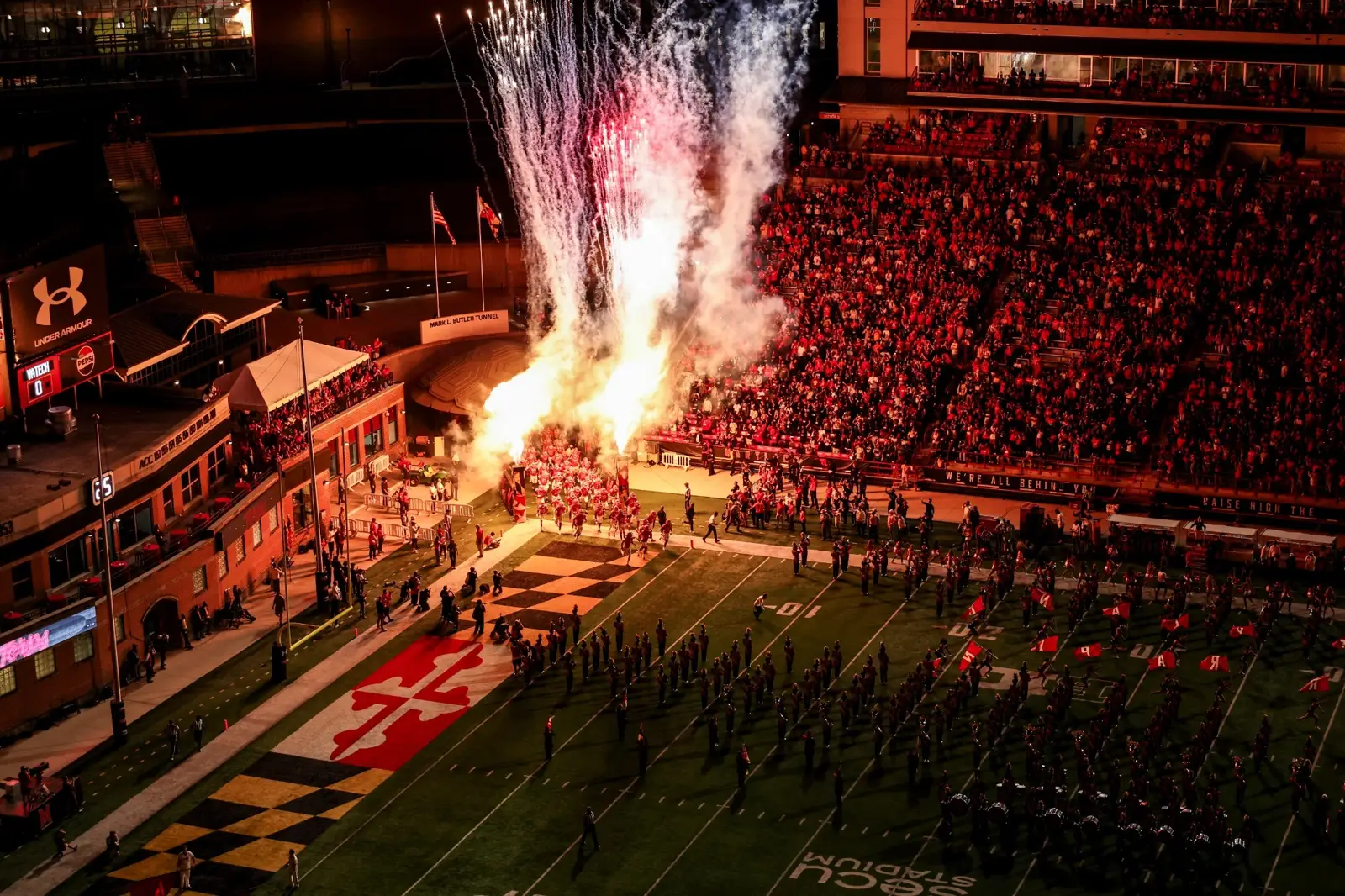
SECU Stadium · College Park
 Wisconsin2–1
 Penn State3–0
2:00 PM PT / 4:00 PM CT · Peacock
Beaver Stadium · State College
Two road games, two different kinds of examination, and an excellent reason to organize lunch before the household begins issuing instructions to people who cannot hear it. UCLA heads to Maryland with an unbeaten record. Wisconsin visits No. 13 Penn State with a more demanding question: can the offense that looked so comfortable at home remain useful in somebody else’s very loud stadium?
The Bruins are 3–0, including their opening Big Ten win over Purdue. Maryland is 2–1. Kickoff in College Park is scheduled for 10:30 Pacific, 12:30 Central, on Big Ten Network. Later, the 2–1 Badgers open conference play against 3–0 Penn State at Beaver Stadium: 2 Pacific, 4 Central, streaming on Peacock. Supporting both teams will require a functioning remote and a modest amount of calendar management.
The temptation is to treat this as one reasonably manageable assignment and one difficult one. There is evidence for the distinction, but it should not become permission to overlook Maryland or surrender Wisconsin’s game before it begins. Both teams need their strengths to travel. The useful question is what happens when the road opponent interrupts the thing that has been working.
UCLA: bring the production, tighten the other half
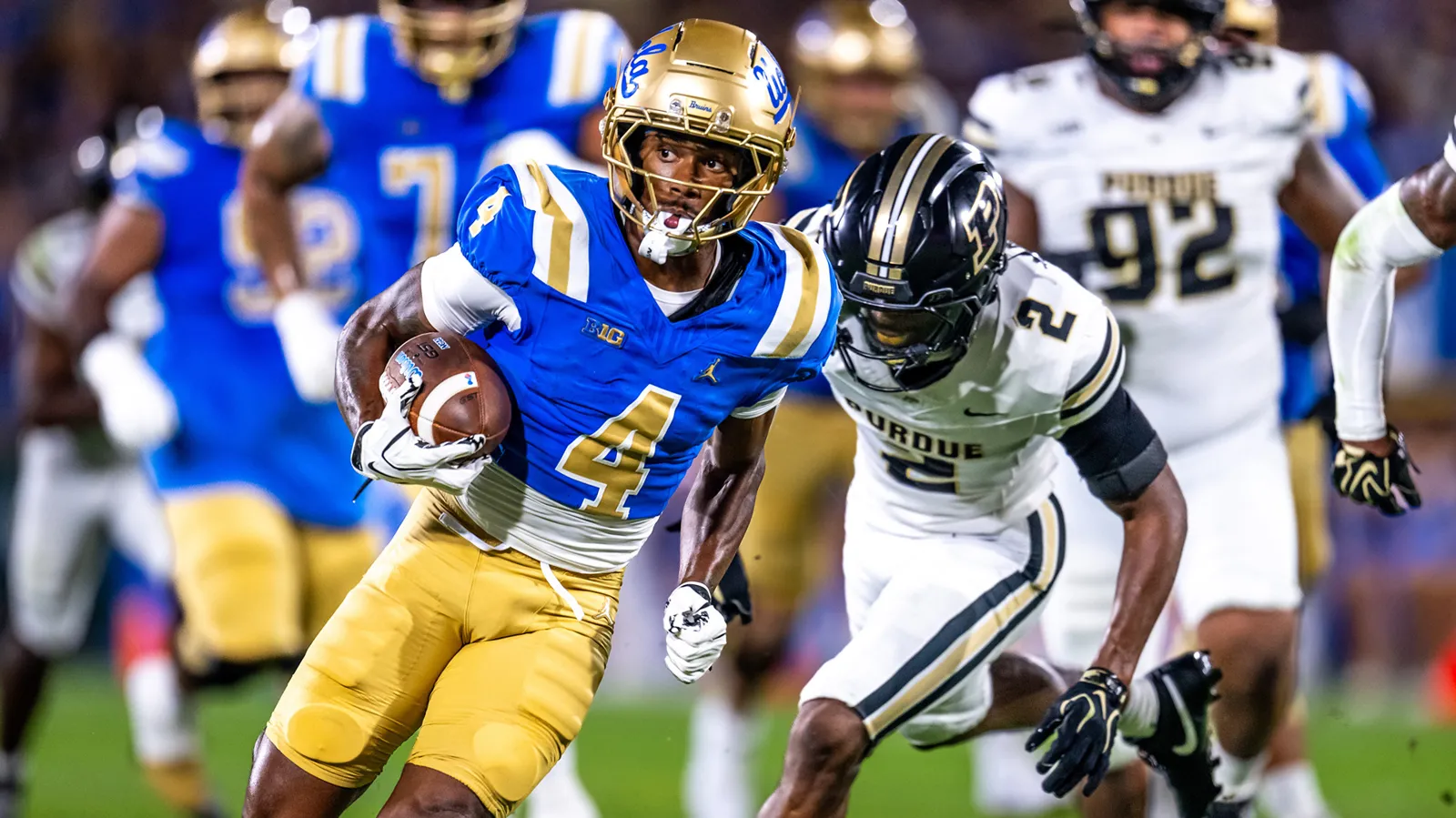
The Bruins beat Purdue 52–38 last Saturday and produced 645 yards of offense. That is an impressive amount of movement, though allowing thirty-eight points leaves the defense with its own contribution to the week’s conversation. An offense can enjoy a productive afternoon without being required to renew its lease on the end zone every few minutes.
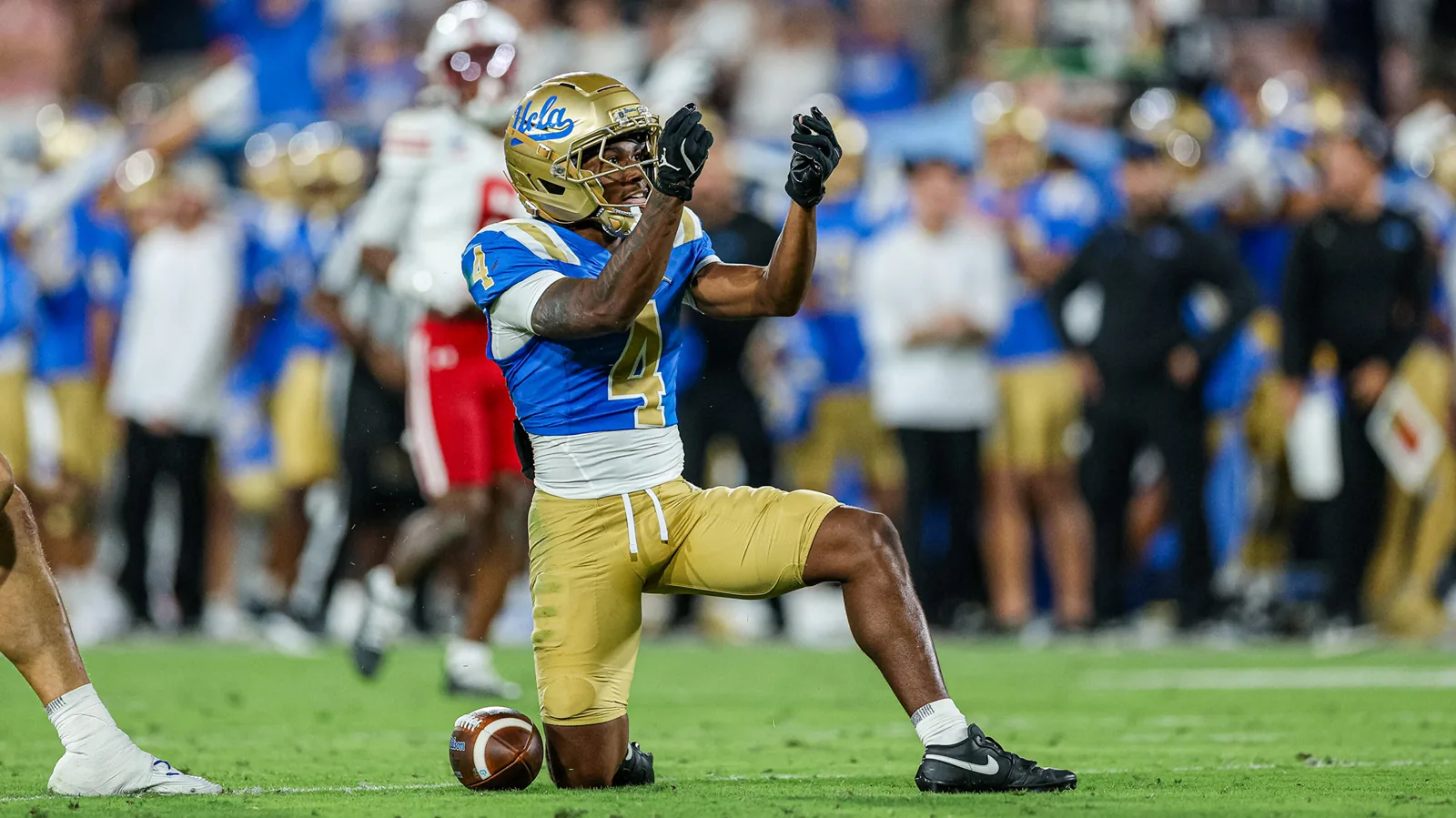
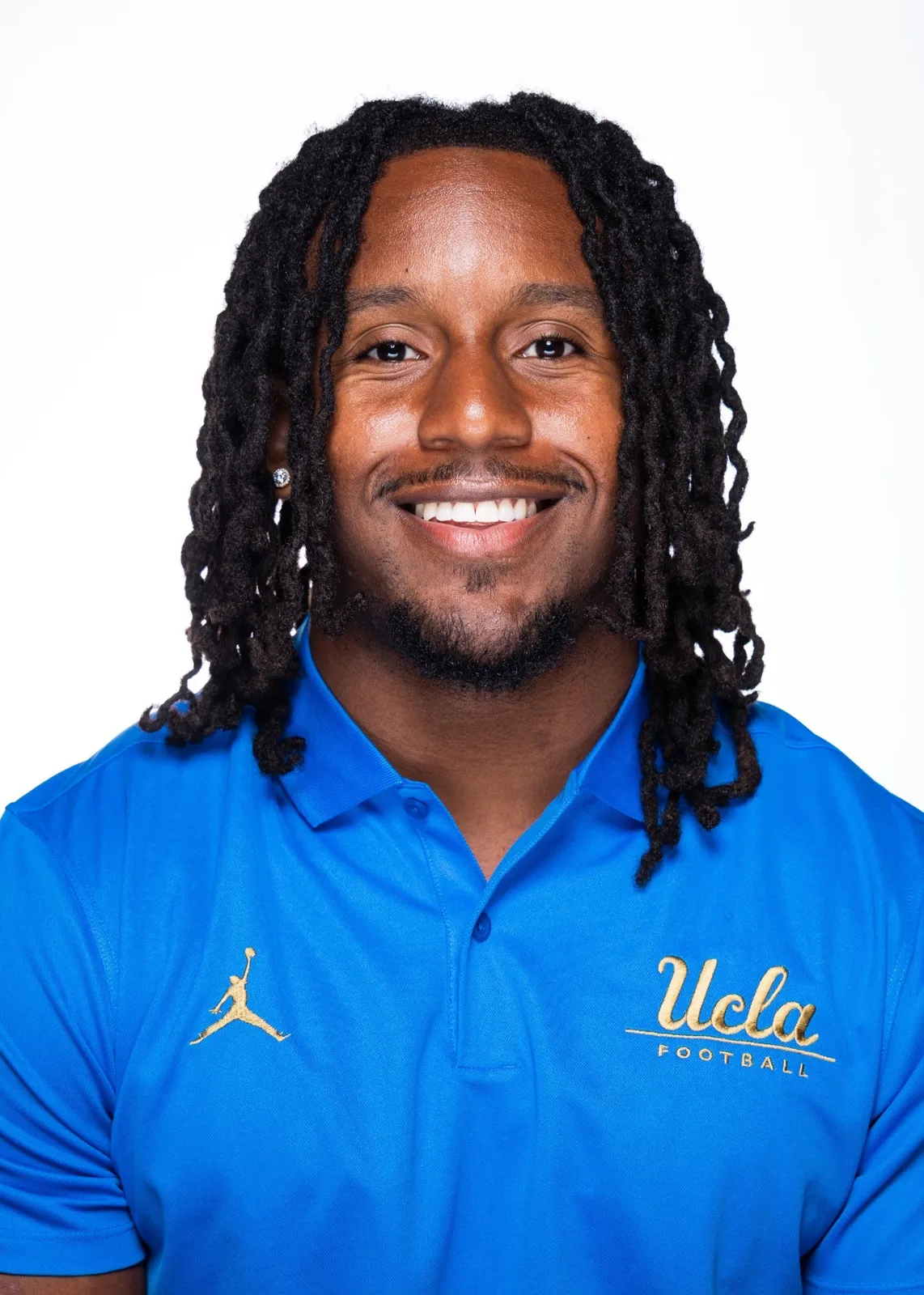
Wayne Knight supplied a career-best 252 all-purpose yards against Purdue and scored twice on the ground. Nico Iamaleava threw for 276 yards and three touchdowns. Those are useful demonstrations of an offense with more than one way to threaten a defense. Maryland has to account for the backs without assuming that crowding the line settles the entire assignment.
For UCLA, the objective is to preserve that choice. An early run that gains useful yardage keeps the quarterback’s next decision manageable. An available completion can prevent the defense from treating every formation as an invitation to attack the same gap. The best version of balance is not an equal number of runs and throws. It is an opponent that cannot confidently remove either from consideration.
That also requires patience when a play does not produce a highlight. A short completion, a back falling forward, or a sensible throwaway can keep a possession usable. The Bruins should not respond to one empty snap by asking the next one to repair the entire afternoon. Football often becomes complicated because somebody decides it needs to look more impressive immediately.
Make Maryland play the whole down
The Terrapins have their own offensive threats, with quarterback Malik Washington directing the attack and receivers capable of punishing a missed responsibility. UCLA needs to defend the available space rather than simply chase the initial motion. A defender who wins the first two seconds can still lose the part of the play that matters to the scoreboard.
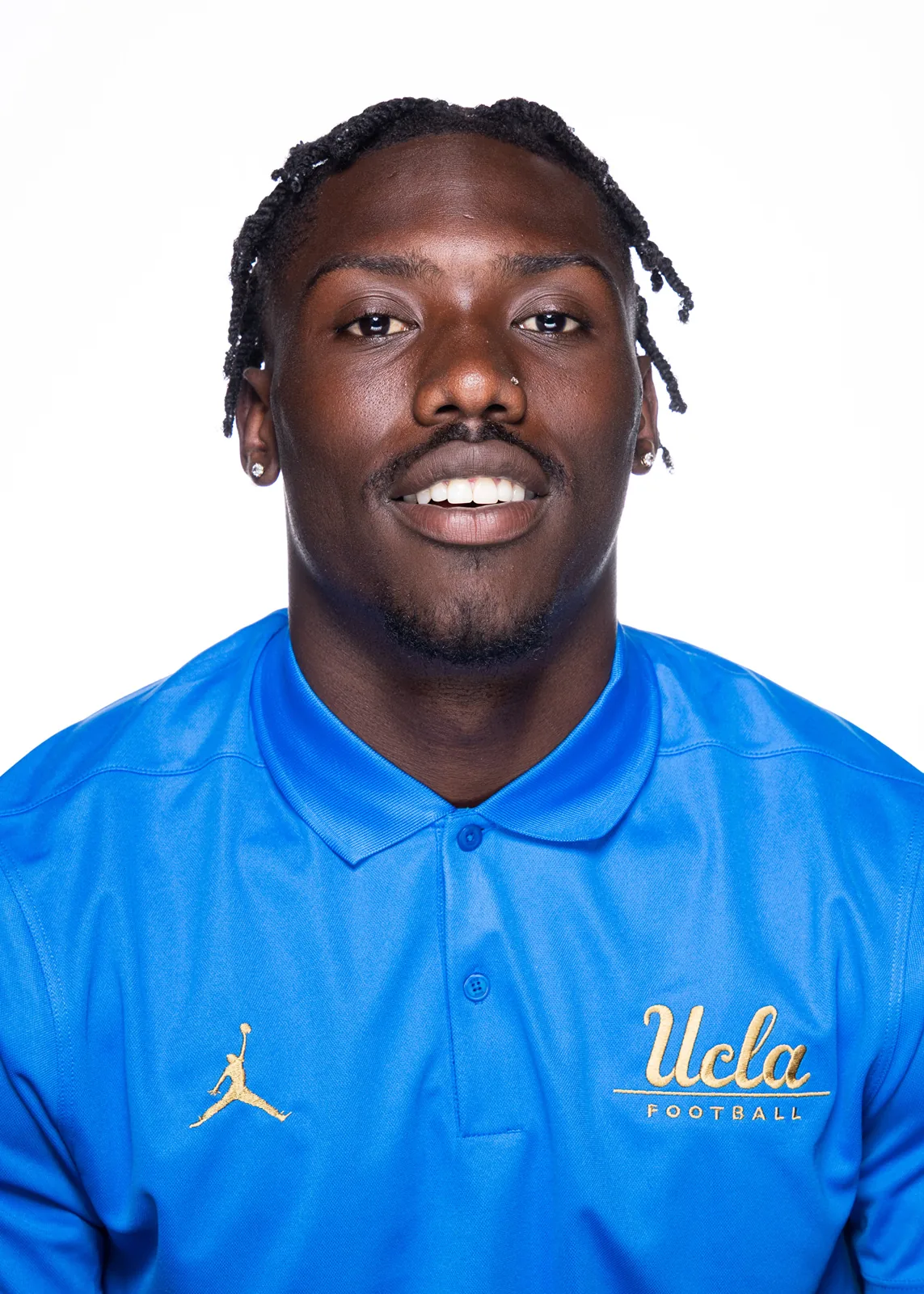
Sammy Omosigho’s disruption is worth watching. Against Purdue, he recorded eleven solo tackles, forced two fumbles, and supplied two sacks. That kind of activity gives teammates opportunities, provided those teammates remain in position to finish. Pressure becomes more valuable when somebody is ready to tackle the outlet or recover the ball after contact changes its destination.
The Bruins cannot make takeaways the only route to a stop. Tackling on the first reasonable opportunity and maintaining coverage when the quarterback moves are repeatable responsibilities. They keep working even when the football refuses to bounce into the defense’s hands. A loose ball is a welcome bonus. A sound defensive possession should not require one.
Watch the first drive after Maryland produces a successful play. Can UCLA regain its shape without allowing one gain to become several? A defense can make its own afternoon harder by continuing to discuss the previous mistake while the opponent is preparing the next snap. The correction needs to arrive with the formation, not after another first down.
A receiver can make the next decision easier
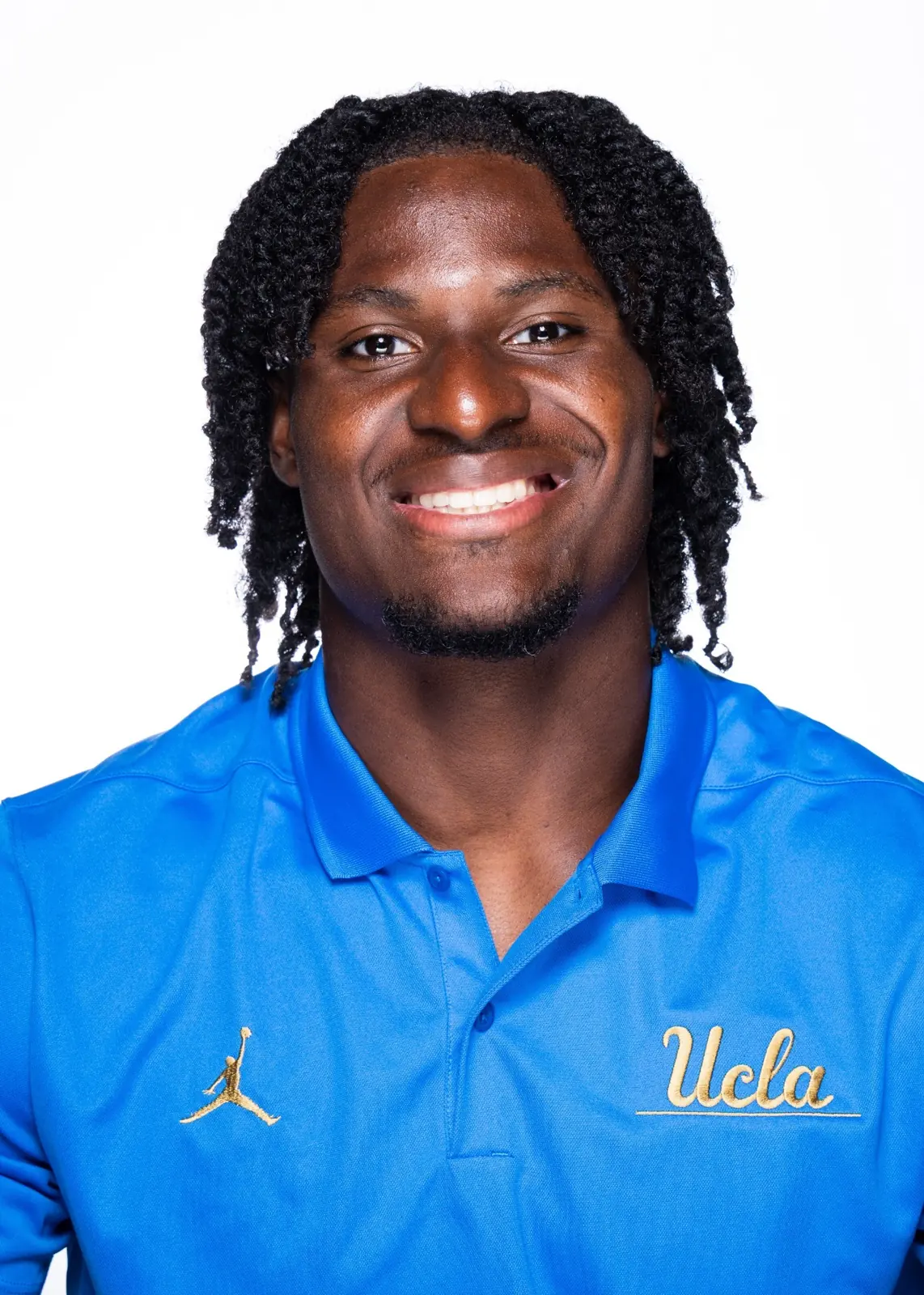
Semaj Morgan caught two of Iamaleava’s touchdown passes against Purdue. Maryland must respect that connection, while UCLA should look for the space created when the defense pays it extra attention. A productive receiving option is valuable in itself and in what it asks defenders to neglect elsewhere. The quarterback needs to recognize both benefits.
Protection is part of that relationship. The throw must have enough time to develop, and the receiver must arrive at the point the quarterback expects. When those responsibilities match, a difficult road environment becomes a manageable sequence of decisions. When they do not, everybody looks toward the quarterback as though the offense were a solo performance with unusually expensive scenery.

For the running backs, useful work includes what happens when they are not carrying the ball. A protection pickup can buy the completion that sustains a drive. An outlet route can turn a covered first option into a modest gain. The stat sheet may give the play a small number. The coordinator may give that number considerable appreciation.
My early interest is whether UCLA can avoid turning favorable situations into long-yardage negotiations. No false start that undoes a good carry. No penalty after the useful part of a play has ended. A road favorite, if it wants that description to remain useful, should avoid helping the home team manufacture confidence for free.
Wisconsin: do the ordinary work in an extraordinary setting
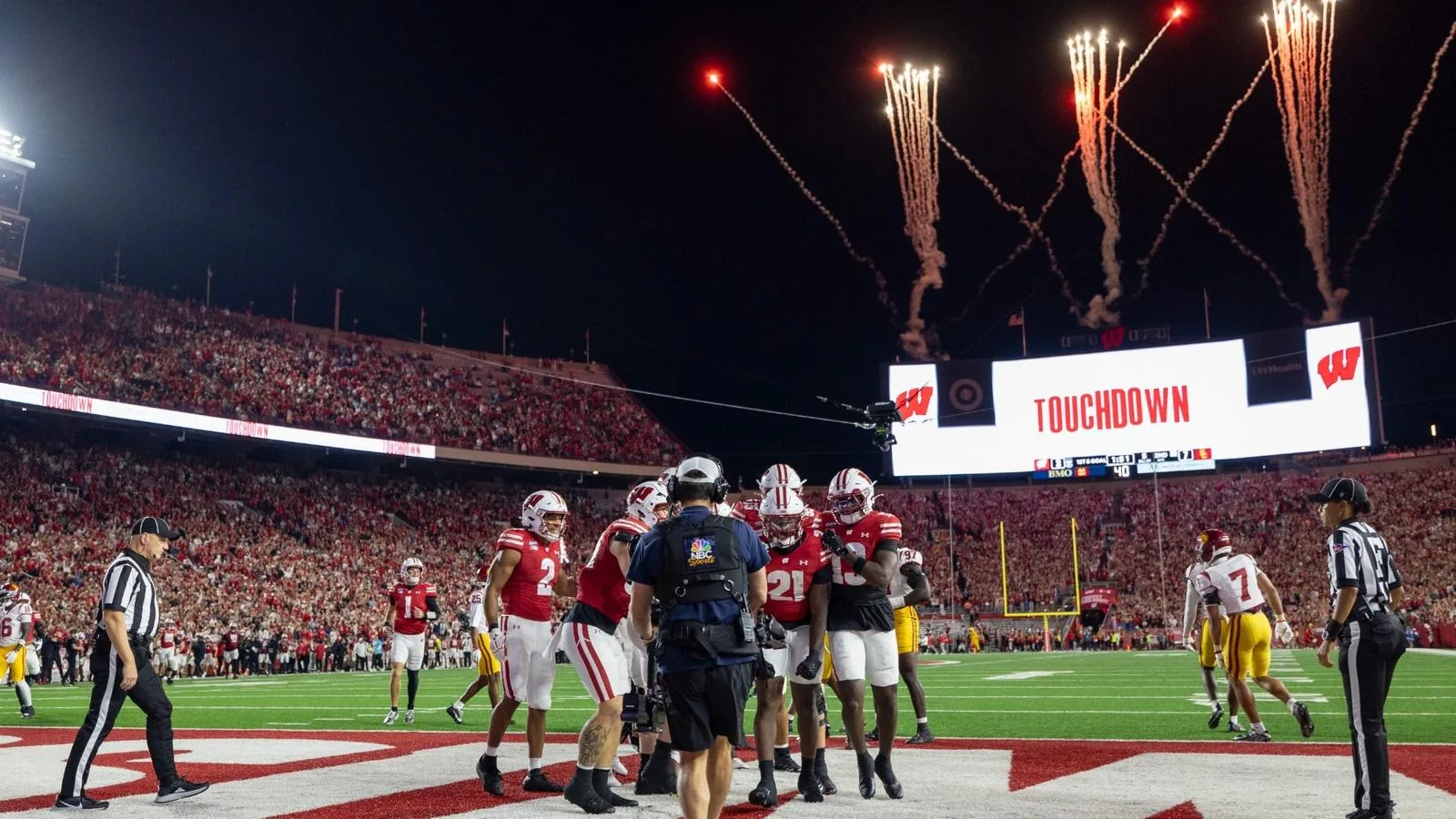
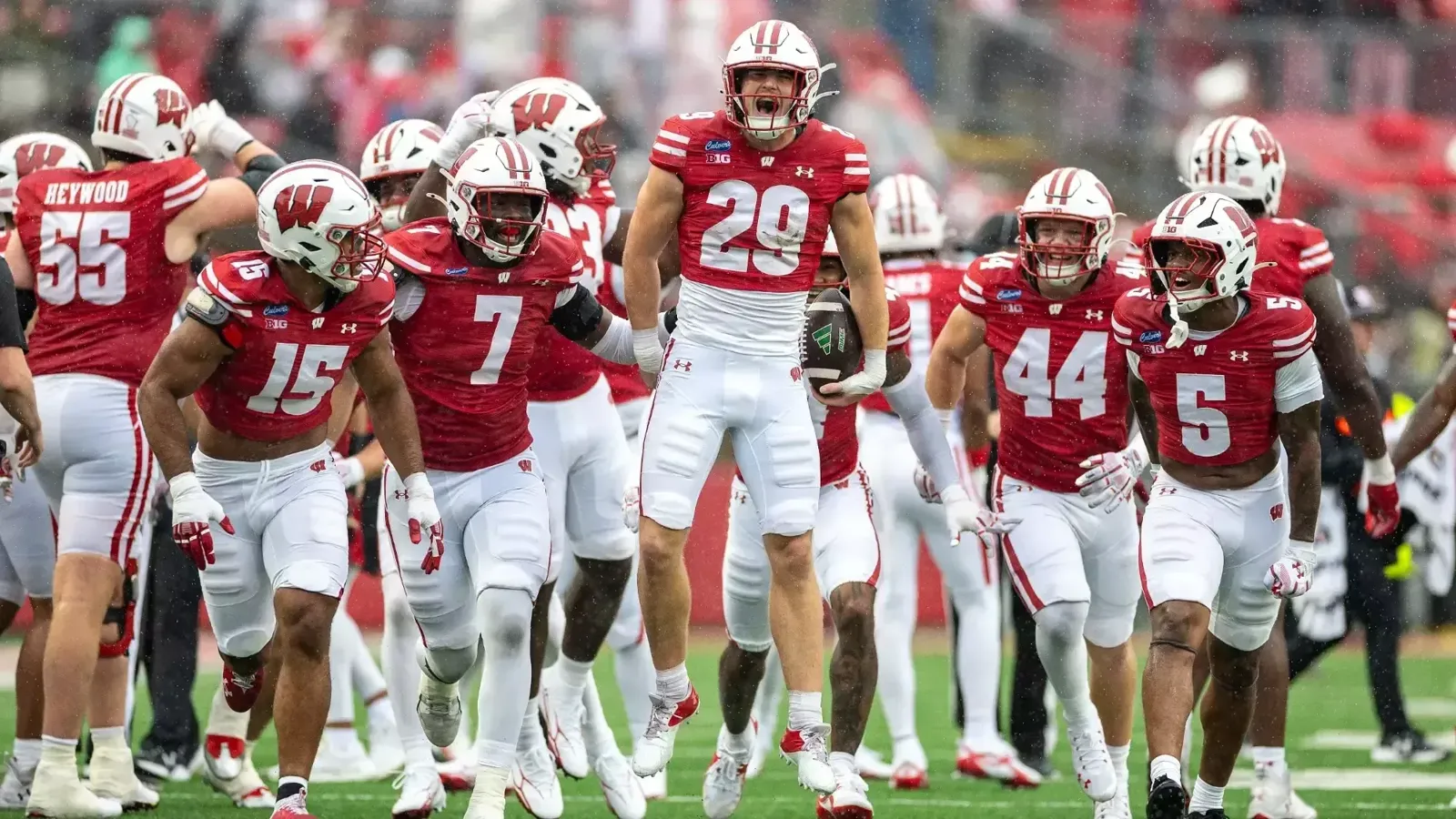
The Badgers beat Eastern Michigan 54–10 and have scored freely in their two home games. That is encouraging evidence about the available pieces, though Penn State offers a substantially different level of resistance. A defense that has helped an undefeated team outscore its first three opponents 127–22 has earned more than a polite mention in the preview.
Colton Joseph’s performance against Eastern Michigan showed the offensive ceiling Wisconsin hopes to reach more often. Tyrell Henry caught a school-record fourteen passes for 160 yards. The question today is how much of that relationship remains available when the throws are contested, the protection is stressed, and the next series begins with the crowd expecting something unpleasant for the visitors.
Wisconsin needs a plan that supplies Joseph with recognizable answers. An early completion can help establish timing. A designed running opportunity can make a defender account for the quarterback. Play-action can use that attention to create space behind the line. None of those ideas requires disguising the offense so elaborately that its own players need a committee meeting before the snap.
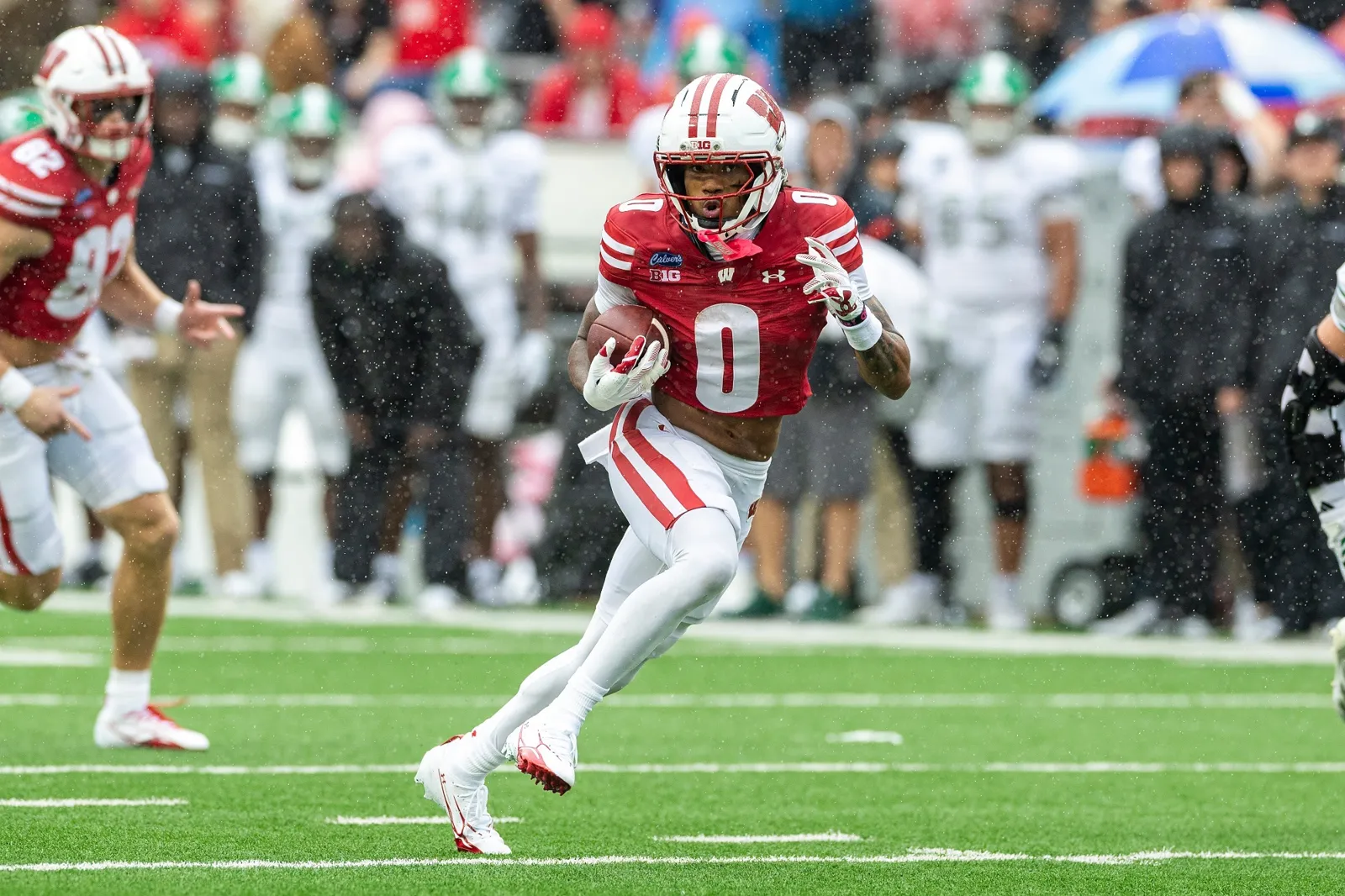
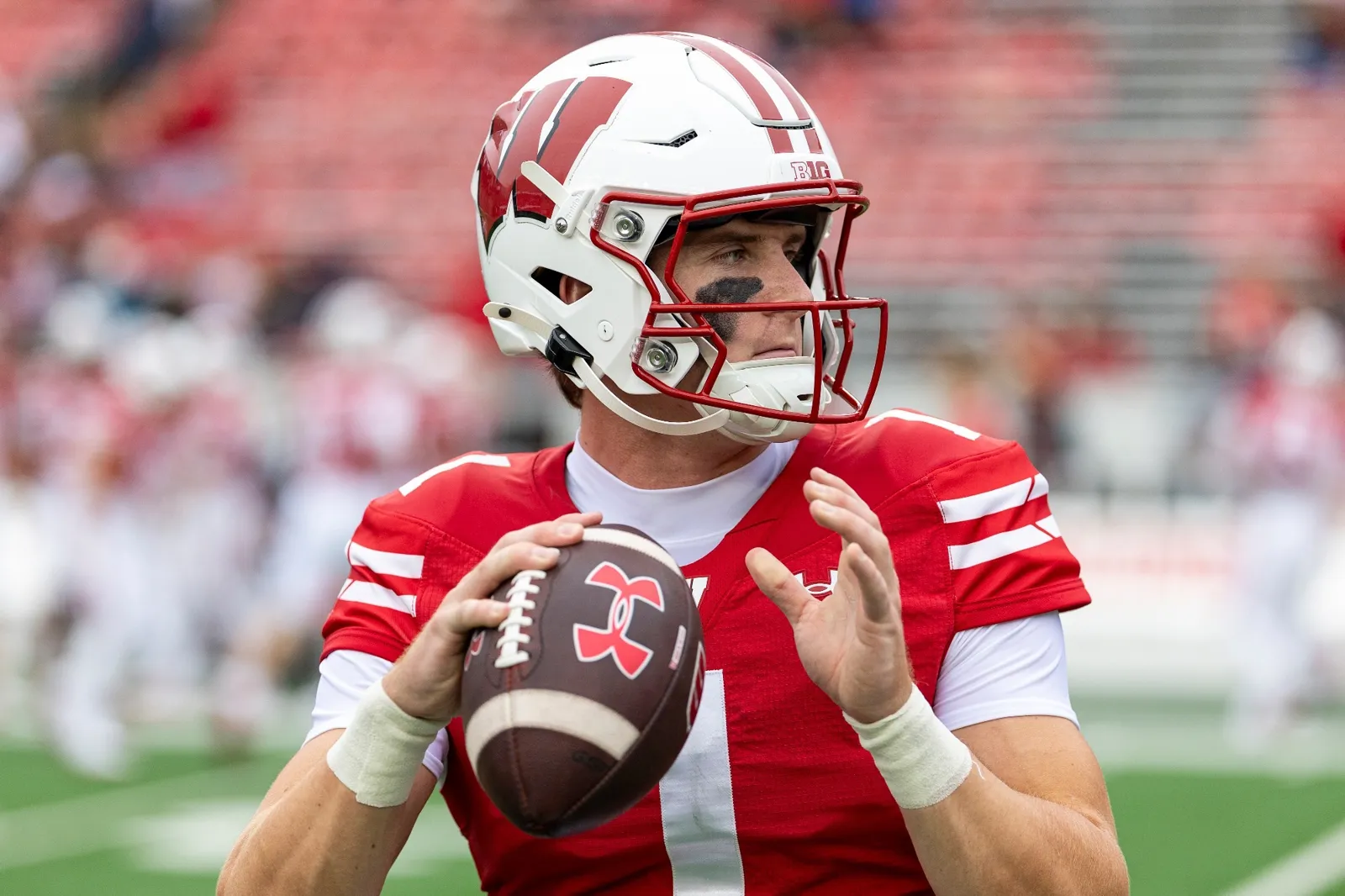
The passing game must still accept a useful gain when the spectacular one is unavailable. A quarterback can make an offense more dangerous by moving, but movement cannot become the entire solution. The protection and receiving group need to help Joseph remain on time. Escaping one defender is a skill; outrunning a recurring offensive problem is a much less dependable weekly arrangement.
Penn State has earned the difficult questions
Rocco Becht directs the Nittany Lions’ offense, with a running game and receiving options that can make a defense account for several responsibilities at once. Wisconsin needs disciplined pursuit rather than an afternoon of players arriving quickly at the wrong place. The correct angle can be worth more than the speed used to abandon it.
For Cooper Catalano and Mason Posa, staying connected to the rest of the defense matters. A linebacker who steps toward the quarterback changes the space behind him. A defender who squeezes too far inside can open the edge. The group needs to make those choices together often enough that Penn State cannot keep turning one person’s aggression into another person’s emergency.
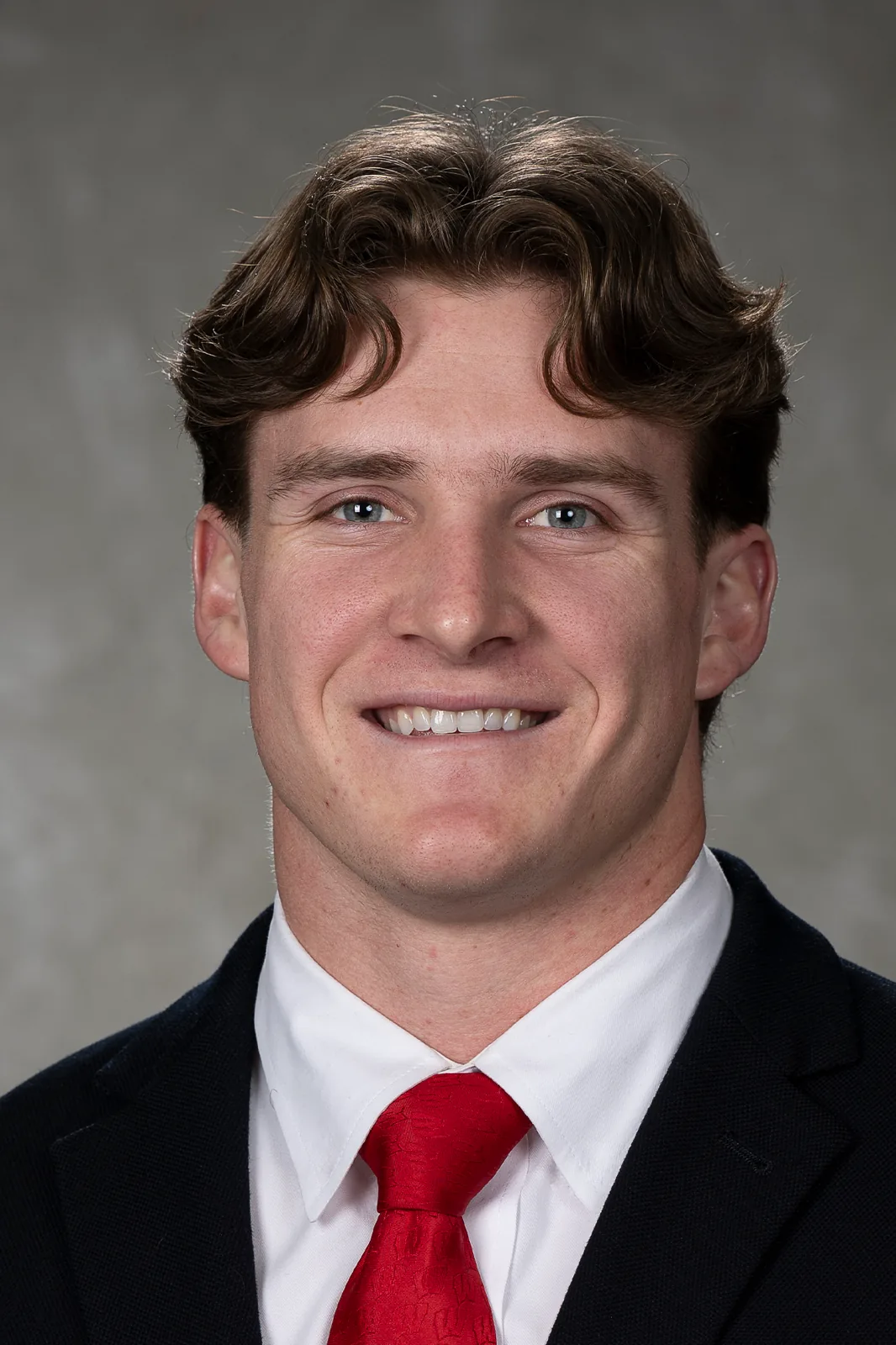
The Badgers also need to finish when the field becomes short. A touchdown prevented is not a moral victory if it leaves the game close enough for the offense to respond. Make Penn State snap the ball again. Force another decision. A stand near the goal line can preserve an opportunity that looks much more important several possessions later.
Field position will be part of that work. Protect the return. Handle the exchange. Avoid the penalty that makes a manageable drive begin near the wrong end zone. Difficult road games have a habit of making their least glamorous details feel intensely personal. Wisconsin should try to keep those details boring enough that nobody needs to remember them at breakfast.
What successful road football would look like
For UCLA, success begins with the running game preserving options and the defense reducing the cost of every imperfect possession. Maryland should have to sustain offense rather than receive it through missed tackles or donated territory. If the Bruins make the routine work reliable, their explosive players have a much better setting in which to change the game.
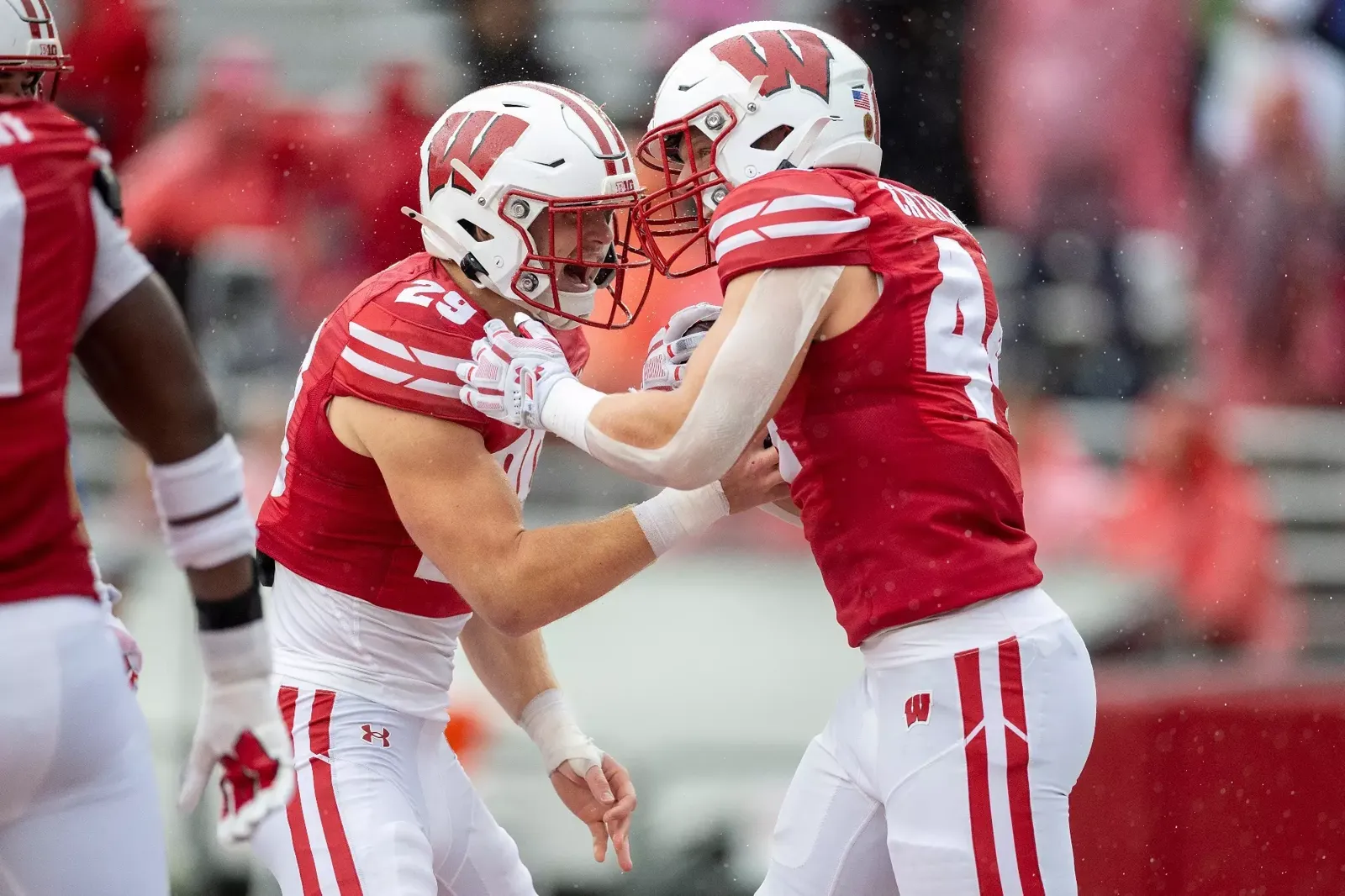
For Wisconsin, success begins with remaining functional when Penn State makes an early call difficult. The Badgers do not need every drive to end in points. They need enough useful possessions that the defense is not asked to repair the afternoon alone. A punt after competent work can be a reasonable outcome. A turnover near your own goal line is a much more ambitious form of hospitality.
Both offenses should take third down personally without treating it as a separate sport. The first two snaps determine how much the next one asks of the quarterback. A receiver securing an ordinary catch or a runner taking the available gain can give the coordinator a genuine choice. That is where a lot of apparently inspired play-calling begins.
And both defenses need to remain useful after something goes wrong. There will be a completion, a missed chance, a run that gets farther than intended. The next snap still belongs to the team that can communicate, line up, and finish its assignment. Frustration is understandable. It is not an officially recognized coverage adjustment.
Steve’s calls
I favor UCLA 31–24 in College Park. The Bruins’ combination of backfield production and passing options gives them a convincing route, provided the defense makes Maryland work for its points. That forecast becomes less persuasive if the offense gives away possessions or the tackling makes every modest opportunity grow. The Terps have enough reason to compete without UCLA providing additional encouragement.
The Wisconsin forecast is Penn State 27, Badgers 20. The home defense and setting give the Nittany Lions the edge in my reading of the matchup. Wisconsin can overturn that judgment by protecting the ball, completing the routine throws, and keeping Penn State’s scoring opportunities to something its own offense can answer. An upset needs execution, not permission from the preview.
Those are opinions with numbers attached, rather than a request that the games cooperate. We have two teams, two road trips, and several hours to discover which of our confident observations deserve to survive until Sunday. Feed the people watching with you. Keep the remote somewhere visible. Go Bruins. On, Wisconsin. The television has already received enough unsolicited coaching to qualify for professional development credit.