 POST-GAME
UCLA BRUINS + WISCONSIN BADGERS
UCLA finished strong. Wisconsin has questions
The Bruins took the fourth quarter in Berkeley. The Badgers lost the second half at Lambeau. One opening weekend, two honest conversations.
Listen to Repinkee Sports on Apple Podcasts UCLA45
 California24
 Wisconsin13
 Notre Dame41
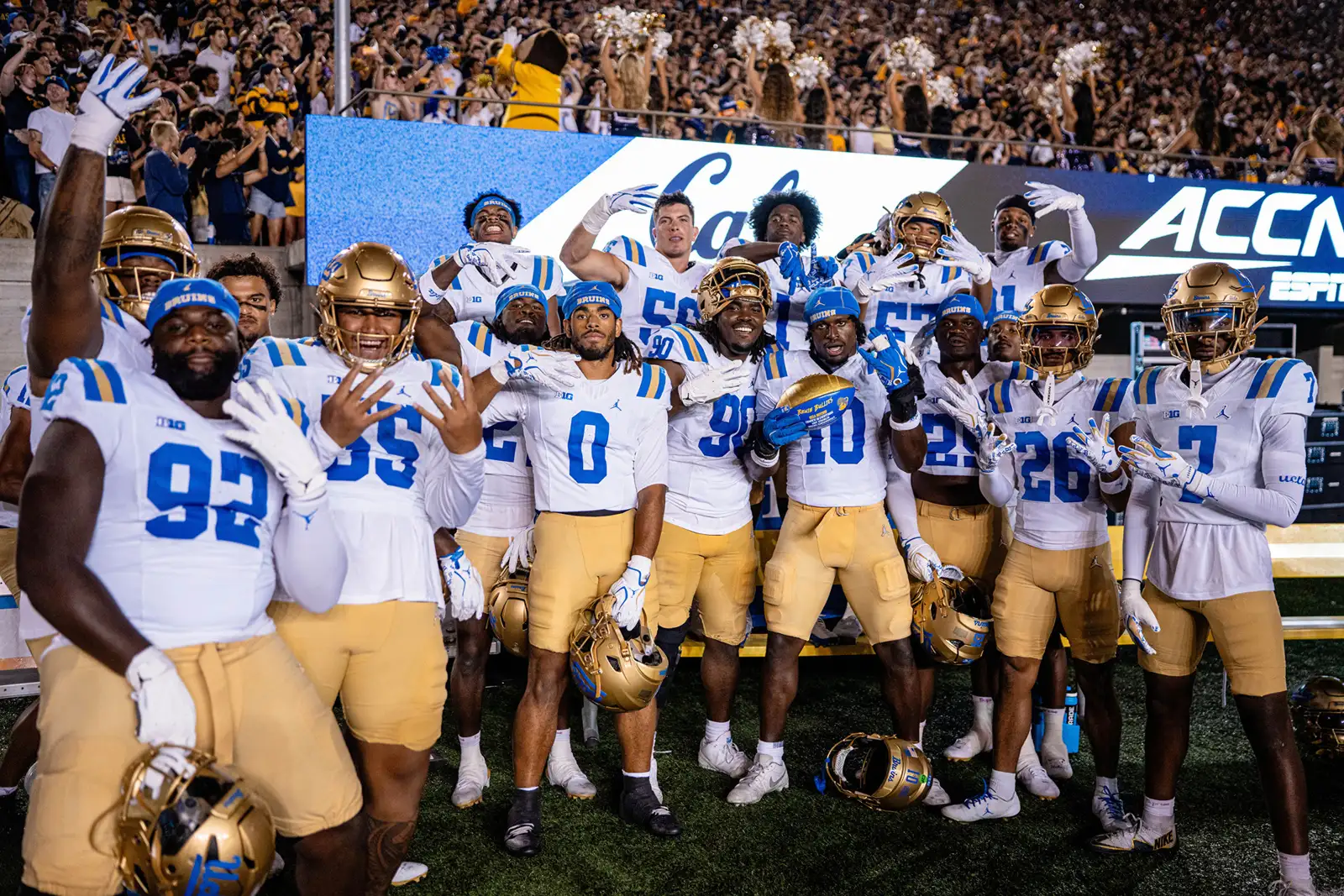
UCLA finished its opener with authority. Wisconsin discovered how quickly a competitive evening can become an uncomfortable box score. The Bruins beat Cal 45–24 in Berkeley on Saturday. The Badgers fell 41–13 to No. 4 Notre Dame at Lambeau on Sunday. Our first breakfast after both games arrives with congratulations on one side and some specific questions on the other.
UCLA is 1–0 under Bob Chesney. Wisconsin is 0–1, with Western Illinois coming to Camp Randall next Saturday. The opening results deserve different descriptions without becoming permanent verdicts. One game can show us how a team responded. It cannot responsibly explain the entire season before the laundry has been collected.
UCLA found the last quarter
Cal tied the game at 24 in the third quarter. The Bruins then outscored the Bears 21–0 in the fourth, turning an unsettled road opener into a convincing first result for the new staff. The final margin is comfortable. The work required to create it was considerably less automatic.
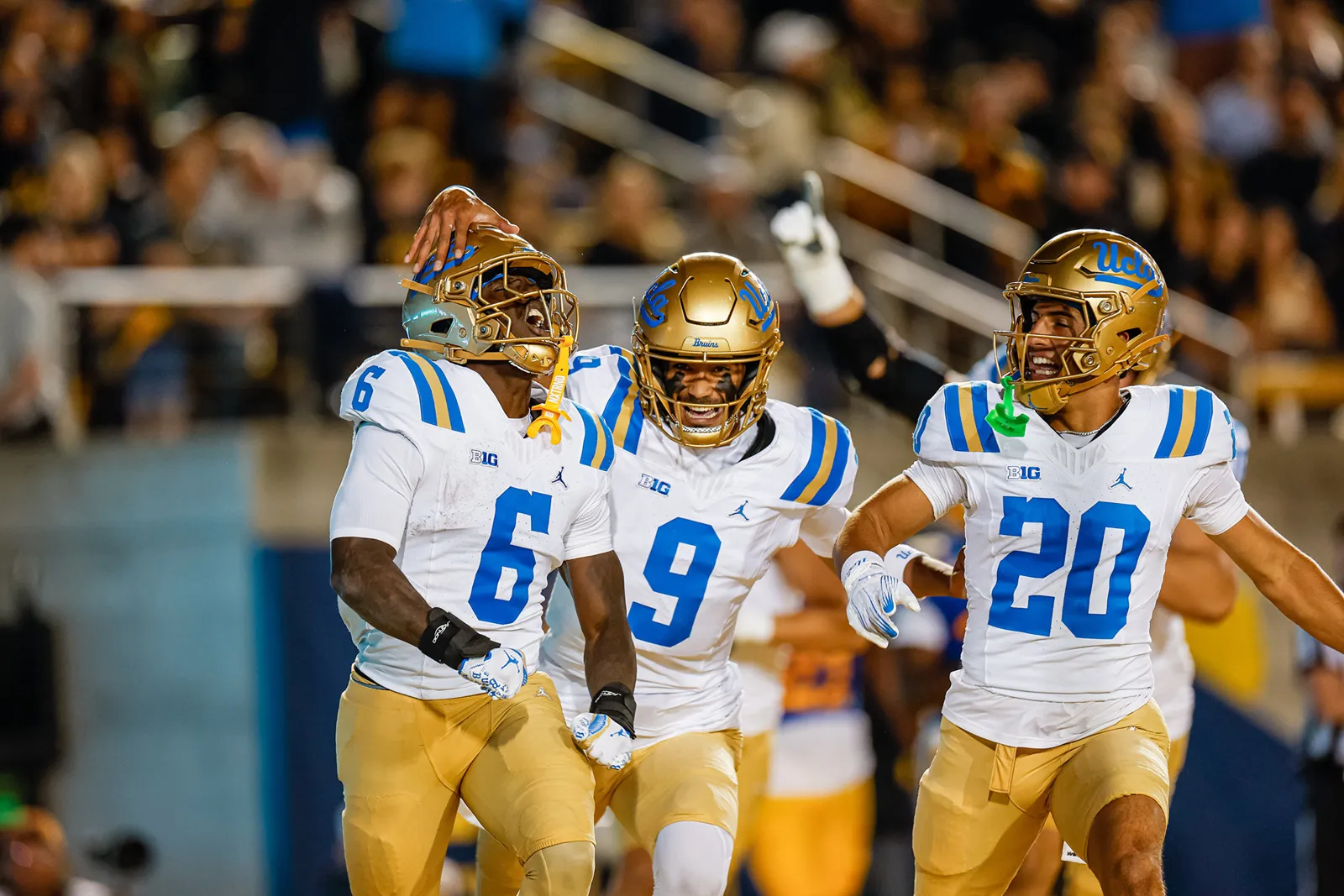
Wayne Knight scored three touchdowns, with two arriving in the final period. Anthony Woods added two rushing scores and finished with 118 yards on eight carries. That is an excellent demonstration of a backfield with more than one useful contributor. The Bruins did not have to wait for a single player to solve every possession personally.
The running game also gave the offense a way to respond when Cal made the afternoon difficult. A strong backfield does more than produce an attractive total. It preserves choices, punishes an opening, and lets the next call begin from a better position. UCLA repeatedly turned those possibilities into actual points.
James supplied the opportunity. Knight finished it
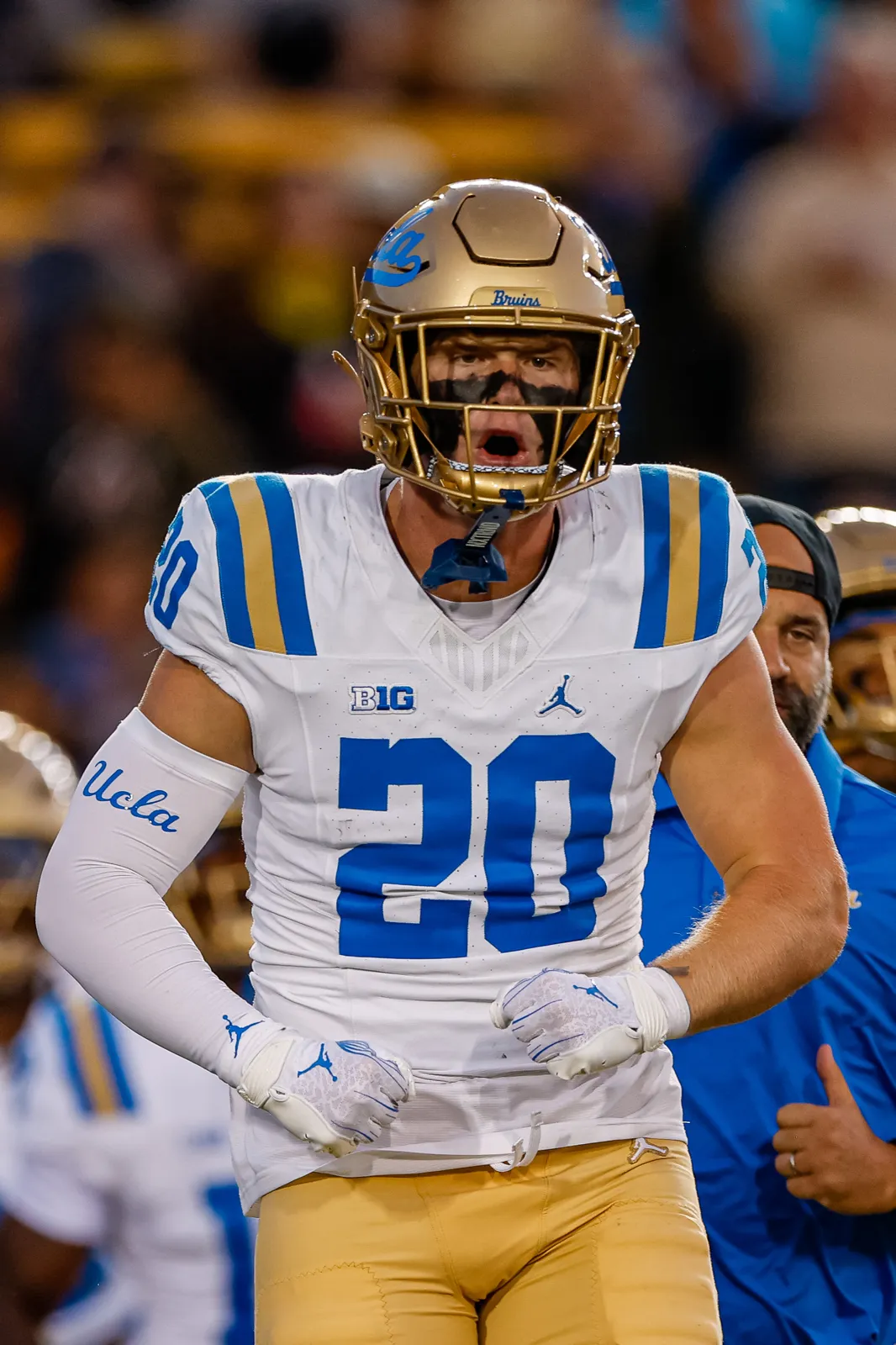
Ta’Shawn James intercepted Jaron-Keawe Sagapolutele in the fourth quarter and returned the ball to the Cal 31. Knight scored on the next play. That sequence changed the game because both halves of the team completed their responsibility: the defense took possession, and the offense made the resulting field position count.
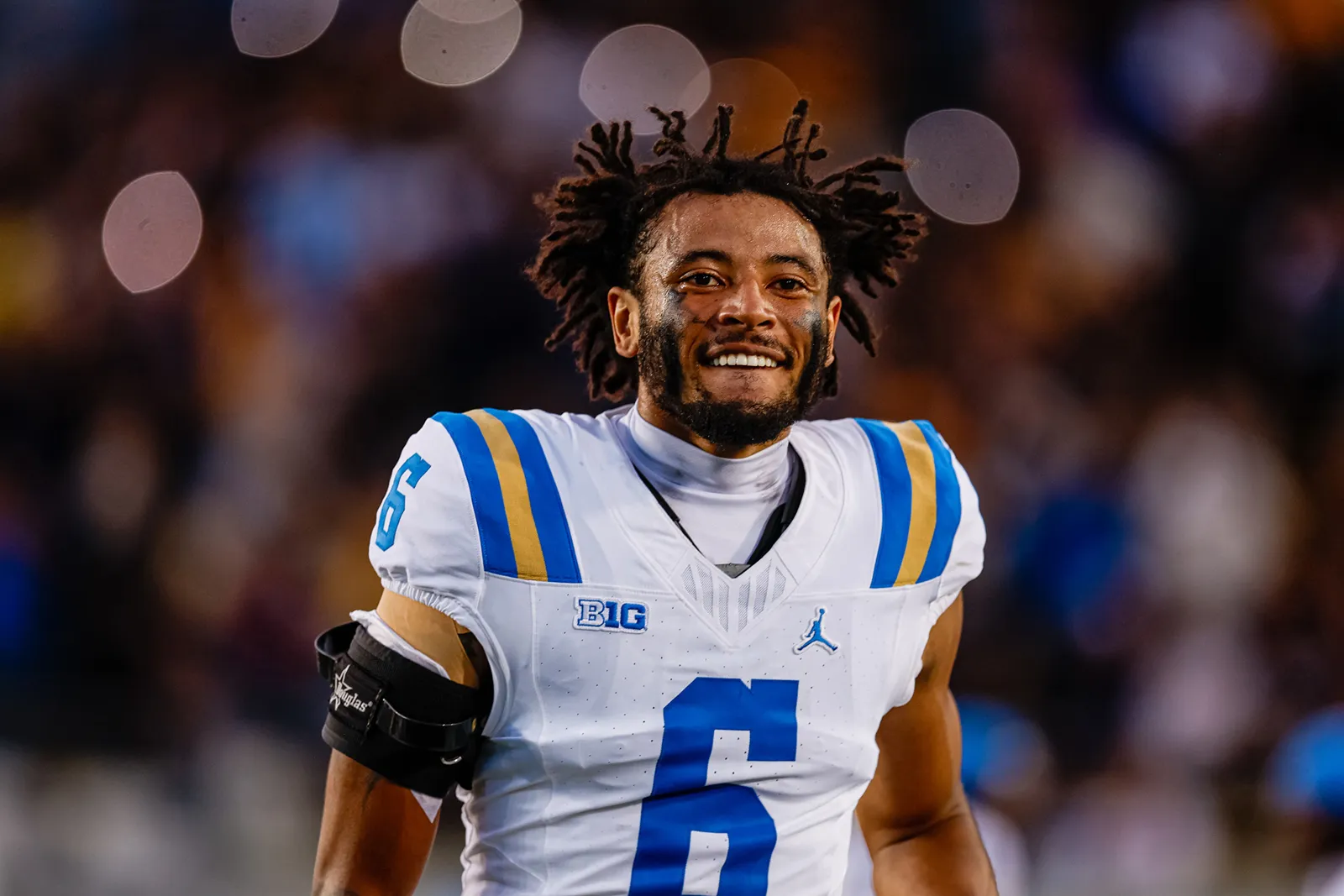
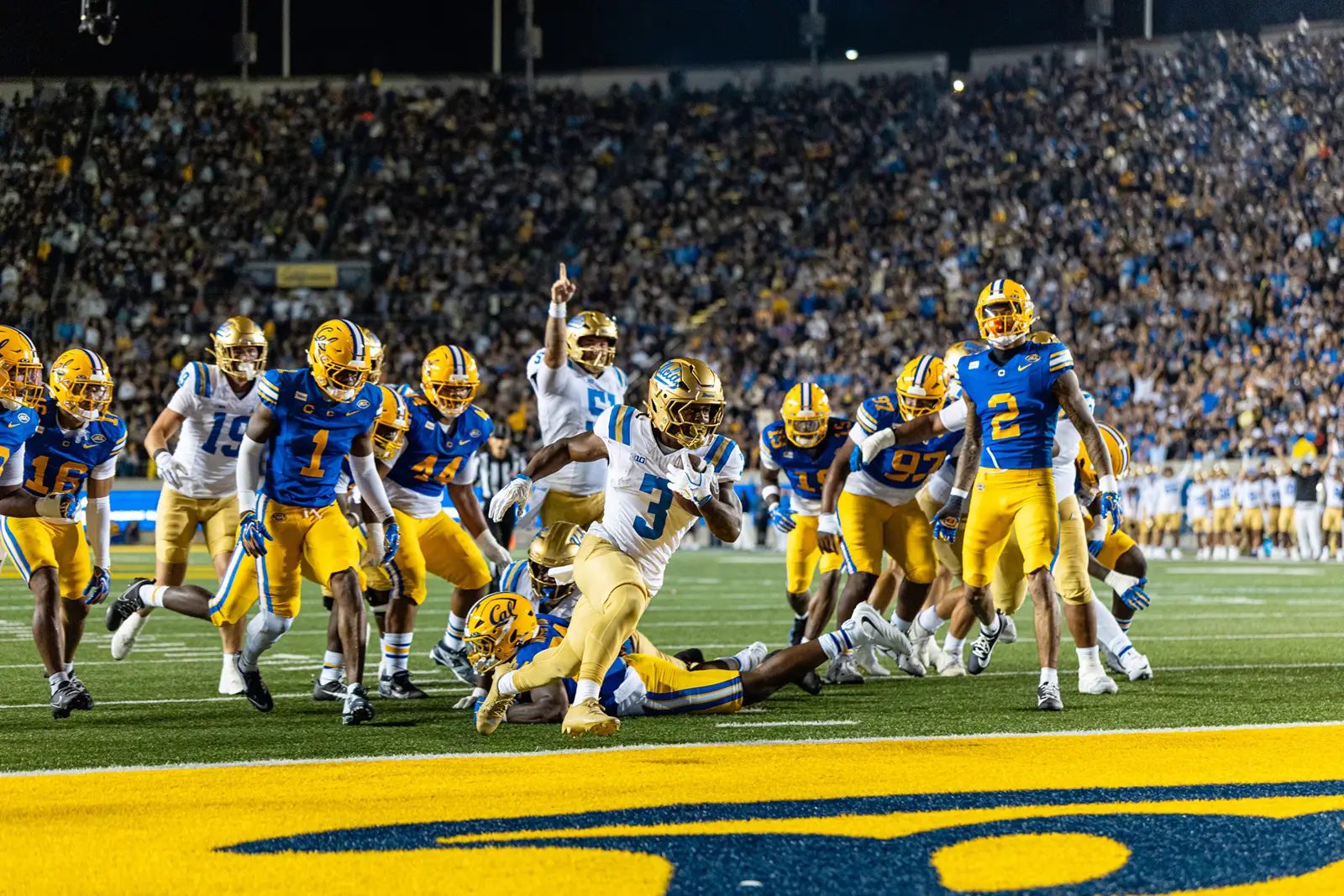
James intercepted another pass shortly afterward, and Knight finished that opportunity with a four-yard touchdown run. Woods later added a 53-yard scoring run after a fourth-down stop. UCLA had found the defensive plays and offensive finishes that the earlier, closer version of the game had not provided consistently.
There is room to appreciate the response without pretending every defensive issue disappeared. Cal had moved the ball well enough to tie the game after halftime. The Bruins should examine that work alongside the takeaways. A win becomes more useful when the film identifies what needs improving, rather than merely confirming that the scoreboard was pleasant.
My pregame call was UCLA 28–24. The Bruins supplied seventeen additional points, and I am happy to accept the correction. The encouraging evidence is the range of players who helped create the separation. The next step is bringing the same attention to the parts that let the game remain close in the first place.
Wisconsin had a game at halftime
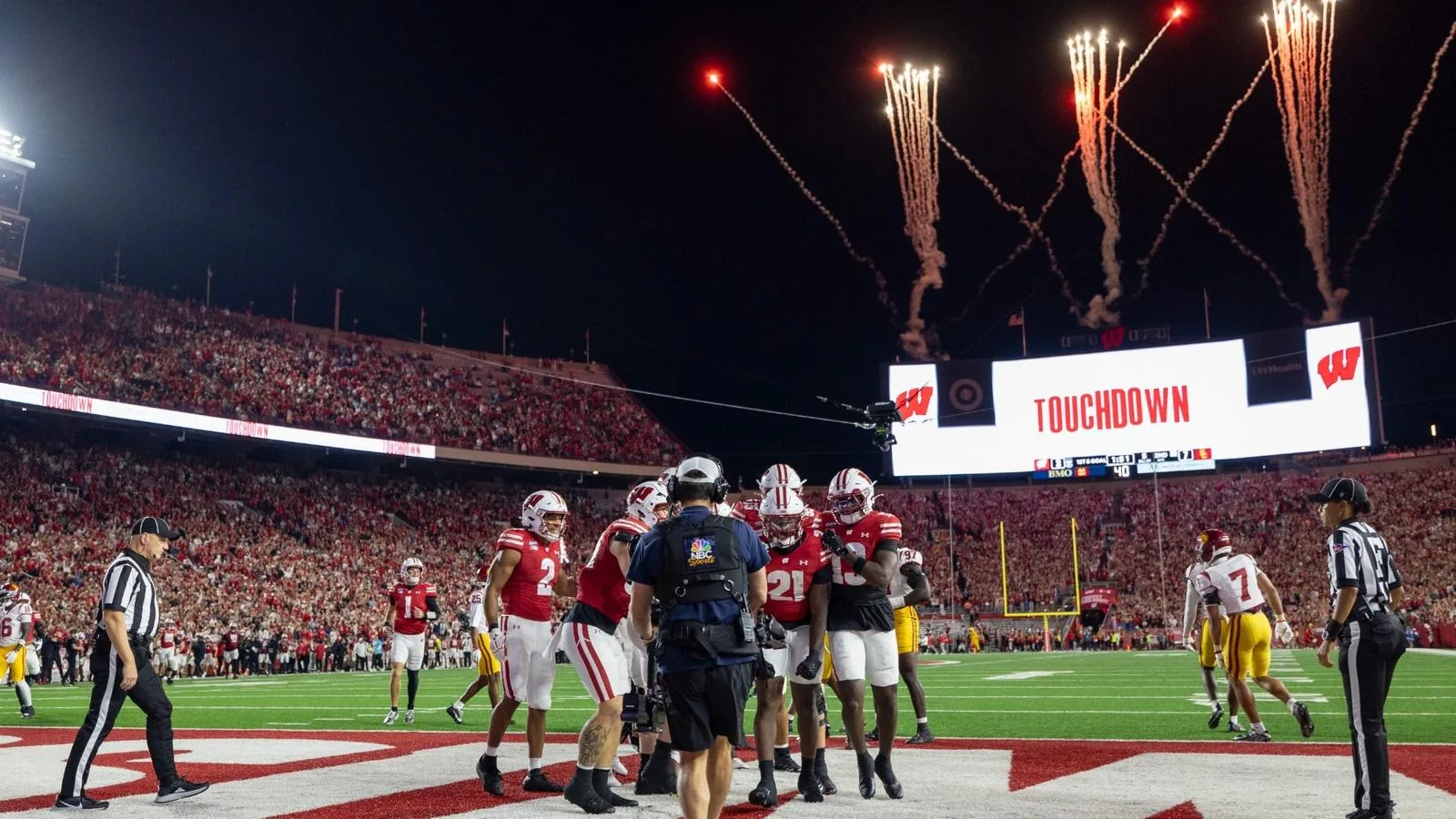
Notre Dame led only 13–10 at the break. Wisconsin’s defense had held the Irish to 29 rushing yards in the first half, while special teams created opportunities. Liam Danitz blocked a punt, and Sean West later produced a 70-yard punt that pinned Notre Dame near its goal line. Those are meaningful contributions to a game that was still available.
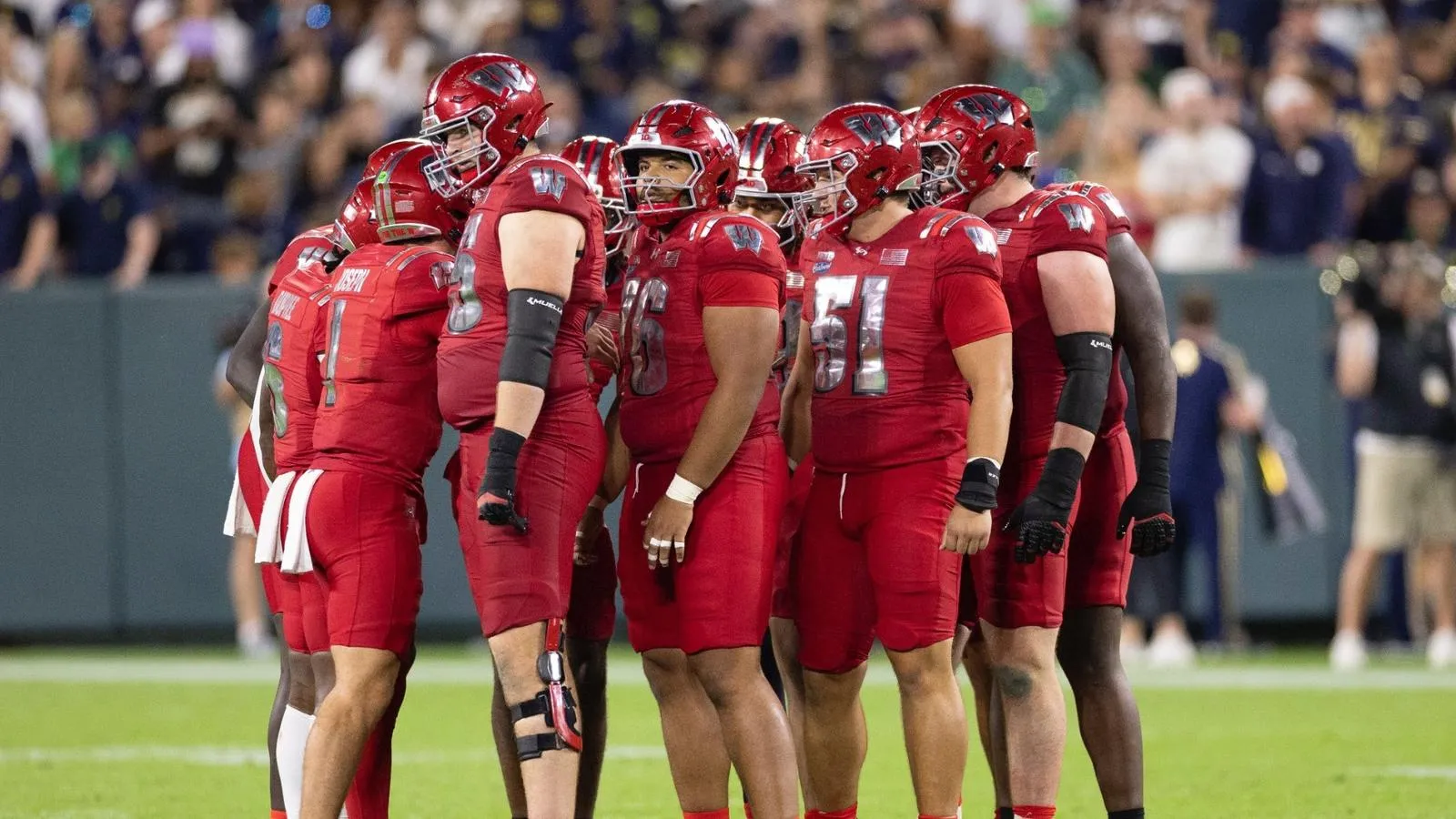
Colton Joseph’s 28-yard touchdown pass to Malachi Coleman tied the score at ten in the second quarter. Both were making their Wisconsin debuts, and the connection showed the passing game could produce a useful answer. The final margin should not erase that sequence or the defense’s early work simply because the second half became so difficult.
It should also not conceal the errors. Wisconsin lost possession on a return, improving Notre Dame’s field position. Against an opponent with this much offensive ability, requiring the defense to repair donated territory repeatedly is a demanding arrangement. A good early defensive performance does not make those mistakes inexpensive.
The third quarter changed the terms
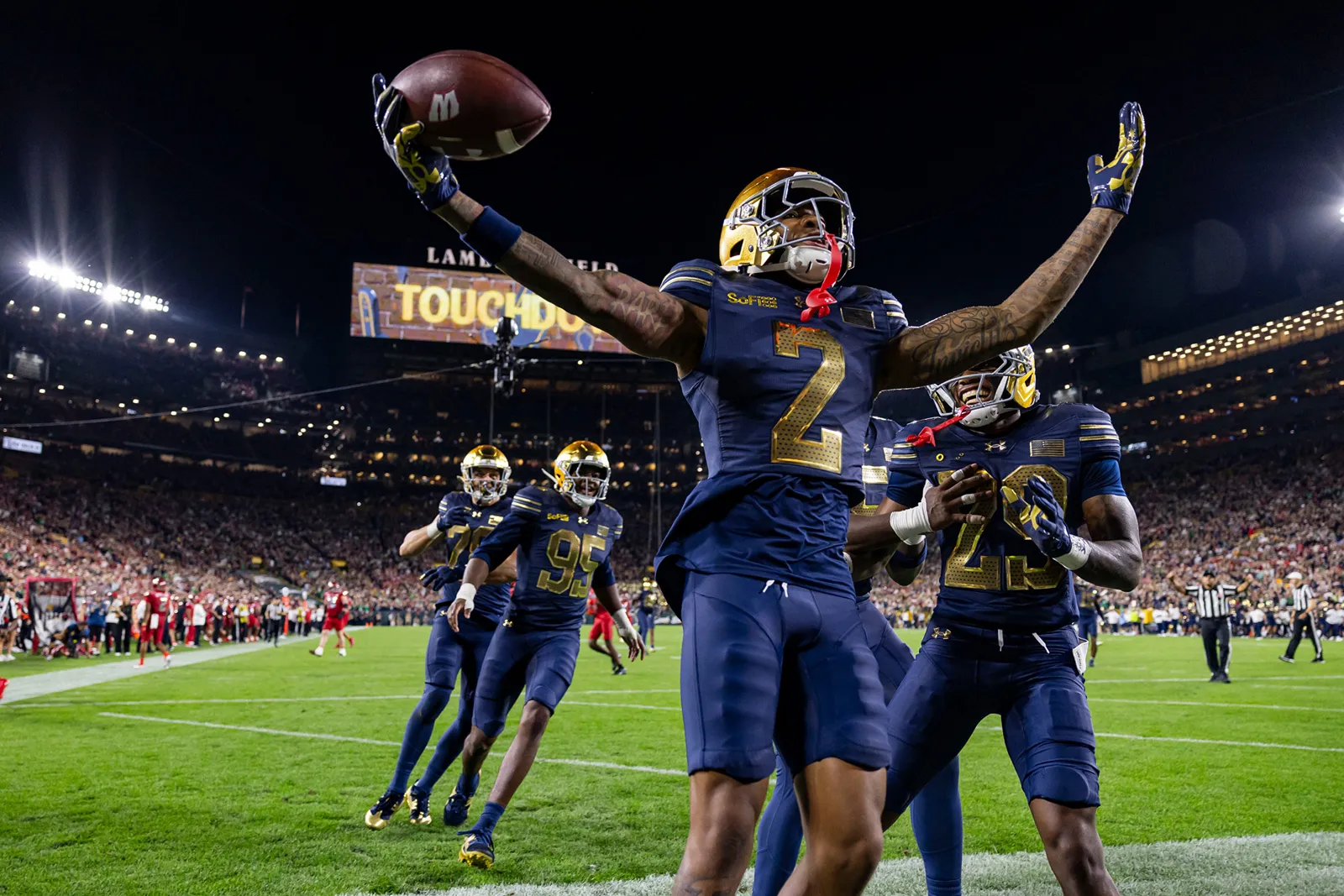
Notre Dame opened the second half with a 70-yard touchdown drive, then DJ McKinney returned an interception 55 yards for another score. A three-point halftime deficit became 27–10 before Wisconsin could establish the response it needed. That was the decisive change: the Irish generated offense and received a defensive touchdown in quick succession.
The Badgers added a field goal, but Notre Dame kept extending possessions and finished with a 28–3 second-half advantage. CJ Carr completed 19 of 29 passes for 239 yards. The Irish had enough dependable answers to keep the game moving toward themselves, while Wisconsin struggled to make its own answers sustainable.
Joseph’s movement remains an asset, but the offense needs more than an occasional escape or explosive throw. Protection, route timing, and the quarterback’s decisions must produce ordinary completions often enough to preserve a drive. An offense cannot keep asking the spectacular play to cover the entire bill.
One result, a practical next assignment
The Wisconsin forecast was Notre Dame 31–20. The actual score gave the Irish ten more points and the Badgers seven fewer. The early competitiveness mattered, and the second-half separation mattered more to the result. Wisconsin needs to preserve the useful opening work while addressing the mistakes and stalled possessions that made the closing half so lopsided.
That does not require a sweeping judgment about effort or character. It requires specific improvement: secure the return, give the quarterback a clear answer, complete the tackle, and prevent one difficult sequence from supplying the conditions for the next. Western Illinois offers the next opportunity to demonstrate those corrections, not permission to skip them.
UCLA hosts San Diego State next Saturday. Wisconsin returns home with evidence that parts of its plan can compete and that too many parts still need to work together. Enjoy the Bruins’ finish. Be honest about the Badgers’ second half. Go Bruins. On, Wisconsin. The season has supplied its first results, and the television has already heard our complete suggestions for the next ones.